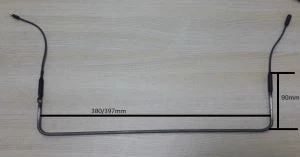
As a supplier of heat belts, I understand the frustration that comes with a heat belt that isn't working. Heat belts are used in a variety of applications, from industrial settings to home brewing, and when they malfunction, it can disrupt operations and cause delays. In this blog post, I'll share some troubleshooting tips to help you get your heat belt up and running again.
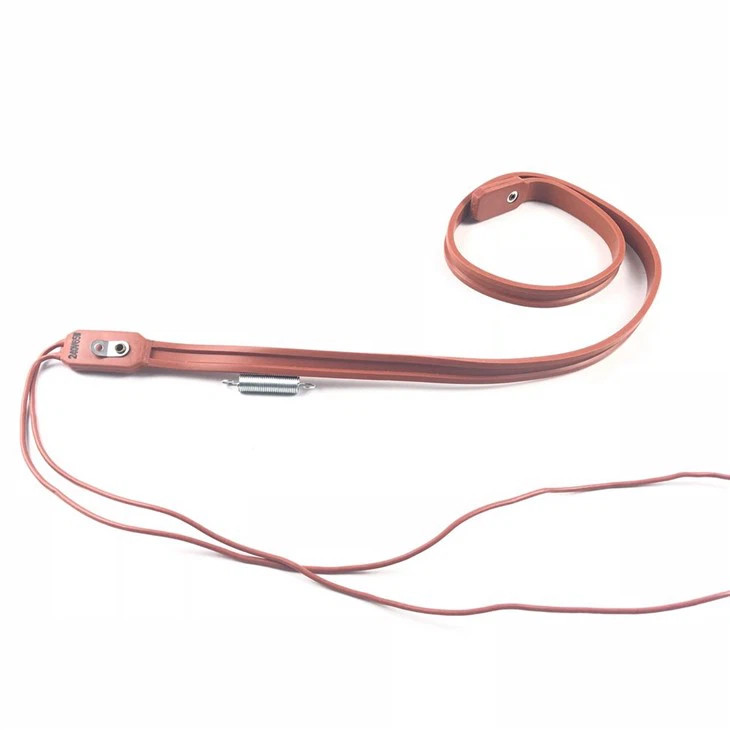

Step 1: Check the Power Source
The first step in troubleshooting a heat belt is to check the power source. Make sure the heat belt is properly plugged into an outlet or power supply. If it's a battery-powered heat belt, check the batteries to ensure they are charged and properly inserted. You can also use a multimeter to test the voltage at the power source to make sure it's providing the correct amount of power.
If the power source is working fine, but the heat belt still isn't heating up, the next step is to check the wiring.
Step 2: Inspect the Wiring
Inspect the wiring of the heat belt for any signs of damage, such as frayed wires, loose connections, or cuts. Damaged wiring can prevent the heat belt from receiving power or cause it to short-circuit. If you find any damaged wiring, you'll need to repair or replace it.
To repair the wiring, you'll need to cut out the damaged section and splice in a new piece of wire. Make sure to use wire connectors that are rated for the voltage and amperage of the heat belt. If you're not comfortable working with electrical wiring, it's best to hire a professional electrician to do the job.
Step 3: Check the Thermostat
Many heat belts are equipped with a thermostat to regulate the temperature. If the heat belt isn't heating up or is overheating, the thermostat may be malfunctioning. To check the thermostat, you'll need to use a multimeter to test its continuity.
First, turn off the power to the heat belt and disconnect it from the power source. Then, locate the thermostat on the heat belt and remove the wires connected to it. Set your multimeter to the continuity setting and touch the probes to the terminals of the thermostat. If the multimeter beeps, the thermostat is working properly. If it doesn't beep, the thermostat is faulty and needs to be replaced.
Step 4: Look for Physical Damage
Inspect the heat belt for any physical damage, such as burns, cracks, or holes. Physical damage can prevent the heat belt from functioning properly or cause it to overheat. If you find any physical damage, you'll need to replace the heat belt.
Step 5: Test the Heat Belt
If you've checked the power source, wiring, thermostat, and looked for physical damage, and the heat belt still isn't working, you'll need to test it to see if it's generating heat. To do this, you'll need to use an infrared thermometer or a temperature probe.
Turn on the power to the heat belt and let it run for a few minutes. Then, use the infrared thermometer or temperature probe to measure the temperature of the heat belt. If the temperature is not increasing or is much lower than the desired temperature, the heat belt may be faulty and need to be replaced.
Common Applications of Heat Belts
Heat belts are used in a wide range of applications, including:
- Industrial Heating: Heat belts are commonly used in industrial settings to heat pipes, tanks, and other equipment. They can be used to maintain a constant temperature, prevent freezing, or accelerate chemical reactions. For example, Crankshaft Heating Belts are designed to heat crankshafts in engines, ensuring proper lubrication and preventing damage.
- Food and Beverage Industry: Heat belts are used in the food and beverage industry to heat fermentation tanks, brew kettles, and other equipment. They can be used to control the temperature during the fermentation process, ensuring consistent quality and flavor. Fermentation Fermenter Heater Heating Belt Element is specifically designed for this purpose.
- Home Brewing: Heat belts are popular among home brewers for heating their brew kettles and fermentation vessels. They provide a convenient and efficient way to control the temperature during the brewing process. Beer Fermentation Brew Homebrew Immersion Induction Kettle Heater is a great option for home brewers.
When to Replace Your Heat Belt
If you've tried all the troubleshooting steps and your heat belt still isn't working, it may be time to replace it. Here are some signs that indicate it's time to replace your heat belt:
- Physical Damage: If the heat belt has significant physical damage, such as burns, cracks, or holes, it's best to replace it to prevent safety hazards.
- Age: Heat belts have a limited lifespan, and over time, they may start to degrade and lose their effectiveness. If your heat belt is several years old and has been used frequently, it may be time to replace it.
- Inconsistent Heating: If the heat belt is not heating evenly or is not reaching the desired temperature, it may be a sign that it's starting to fail.
Conclusion
Troubleshooting a heat belt that isn't working can be a frustrating process, but by following these steps, you can often identify and fix the problem. Remember to always prioritize safety when working with electrical equipment, and if you're not comfortable doing the repairs yourself, it's best to hire a professional.
If you're in the market for a new heat belt or need replacement parts, we're here to help. As a leading supplier of heat belts, we offer a wide range of high-quality products to meet your needs. Whether you're in the industrial, food and beverage, or home brewing industry, we have the right heat belt for you. Contact us today to discuss your requirements and start the procurement process.
References
- Electrical Safety Foundation International. (n.d.). Electrical Safety Tips. Retrieved from https://www.esfi.org/
- National Fire Protection Association. (n.d.). Electrical Safety. Retrieved from https://www.nfpa.org/Public-Education/By-topic/Electrical-safety