Yo, what's up, folks! As a hot runner supplier, I've been getting a lot of questions lately about heat transfer in hot runners. So, I thought I'd take a few minutes to break it down for you and give you the lowdown on what's going on inside these things.
First off, let's talk about what a hot runner is. If you're not familiar, a hot runner is a system used in injection molding to keep the plastic in the mold cavity molten during the injection process. This helps to improve the quality of the molded parts and reduce waste. The hot runner system consists of a manifold, nozzles, and heaters, all of which work together to maintain the temperature of the plastic.
Now, let's get into the nitty - gritty of heat transfer in a hot runner. There are three main types of heat transfer: conduction, convection, and radiation.
Conduction
Conduction is the transfer of heat through a solid material. In a hot runner, conduction plays a huge role. The heaters in the hot runner system heat up the manifold and the nozzles. The heat then conducts through these metal components to the plastic that's flowing through them.
Think of it like this: you've got a metal spoon in a hot cup of coffee. The heat from the coffee transfers to the spoon through conduction. In the same way, the heat from the heaters in the hot runner system transfers to the plastic via the metal parts of the system. The efficiency of conduction depends on the thermal conductivity of the materials used. Metals like copper and aluminum are great conductors of heat, which is why they're often used in hot runner construction.
Convection
Convection is the transfer of heat through the movement of a fluid. In the case of a hot runner, the plastic itself acts as the fluid. As the plastic flows through the hot runner system, it absorbs heat from the walls of the manifold and the nozzles. This is forced convection because the plastic is being pushed through the system by the injection molding machine.
Imagine a fan blowing hot air around a room. The moving air transfers heat to the objects in the room. Similarly, the flowing plastic in the hot runner system picks up heat as it moves through the heated channels. The speed of the plastic flow also affects the rate of heat transfer. Faster - flowing plastic may not have as much time to absorb heat as slower - flowing plastic.
Radiation
Radiation is the transfer of heat through electromagnetic waves. In a hot runner, radiation also occurs, although it's not as significant as conduction and convection. The heaters in the hot runner system emit infrared radiation, which can transfer heat to the surrounding components.
It's like standing in front of a fire. You can feel the heat even if you're not touching the fire because of the radiation it emits. In the hot runner, the infrared radiation from the heaters can warm up the nearby parts, contributing to the overall heat transfer in the system.


Now, why is understanding heat transfer in a hot runner so important? Well, if the heat transfer isn't done right, you can run into a whole bunch of problems. For example, if the plastic doesn't get enough heat, it may solidify too early in the system, causing blockages and poor - quality molded parts. On the other hand, if the plastic gets too much heat, it can degrade, leading to discoloration, brittleness, and other issues.
As a hot runner supplier, we've got to make sure that our systems are designed to optimize heat transfer. That means choosing the right materials for the manifold and nozzles, placing the heaters in the most effective locations, and controlling the temperature accurately.
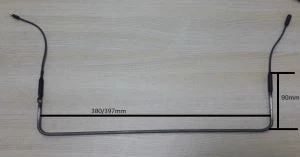
We offer a range of products that are designed to enhance heat transfer in hot runner systems. For instance, we've got Buy Electric Heater Heating Heat Tube Tubes Heatpipe Element. These heating tubes are highly efficient at transferring heat to the plastic, ensuring that it stays molten throughout the injection process.
Another great product is our U Type Tubular Defrosting Heater Pipe Heater. The unique U - type design provides a large surface area for heat transfer, which helps to heat the plastic more evenly.
And if you're looking for something to defrost or heat up frozen components in your system, check out our Defrost Defrosting Frozen Heating Heater Element Pipes Unit For Car And Refrigerator. This product can be a real game - changer when it comes to maintaining the right temperature in your hot runner system.
If you're in the market for a hot runner system or looking to upgrade your existing one, I'd love to chat with you. We've got a team of experts who can help you figure out the best solution for your specific needs. Whether you're dealing with high - volume production or need a custom - designed system, we've got you covered.
So, don't hesitate to reach out. We're here to make sure your injection molding process runs smoothly and efficiently. Let's talk about how we can optimize the heat transfer in your hot runner system and take your production to the next level.
References
- Incropera, F. P., & DeWitt, D. P. (2001). Fundamentals of Heat and Mass Transfer. John Wiley & Sons.
- Holman, J. P. (2010). Heat Transfer. McGraw - Hill.