


In the world of heating solutions, infrared (IR) heaters have gained significant popularity due to their efficiency and comfort. As a leading supplier of IR heaters, I often encounter questions from customers about the safety of these devices, particularly regarding the potential emission of harmful radiation. In this blog post, I will delve into the science behind IR heaters and address the concerns about their radiation output.
Understanding Infrared Radiation
To begin, it's essential to understand what infrared radiation is. Infrared radiation is a type of electromagnetic radiation that lies between visible light and microwaves on the electromagnetic spectrum. It is characterized by its longer wavelength and lower frequency compared to visible light. Infrared radiation is divided into three categories based on its wavelength: near-infrared (NIR), mid-infrared (MIR), and far-infrared (FIR).
Near-infrared radiation has the shortest wavelength and is closest to visible light. It is commonly used in applications such as remote controls, fiber optic communication, and night vision devices. Mid-infrared radiation is used in thermal imaging cameras, gas sensors, and some industrial heating processes. Far-infrared radiation has the longest wavelength and is the type of infrared radiation most commonly associated with heating applications, including IR heaters.
How IR Heaters Work
IR heaters work by emitting infrared radiation, which is absorbed by objects and people in the room. Unlike traditional heating systems, which heat the air in the room, IR heaters heat objects directly. This results in a more efficient and comfortable heating experience, as the heat is focused where it is needed most.
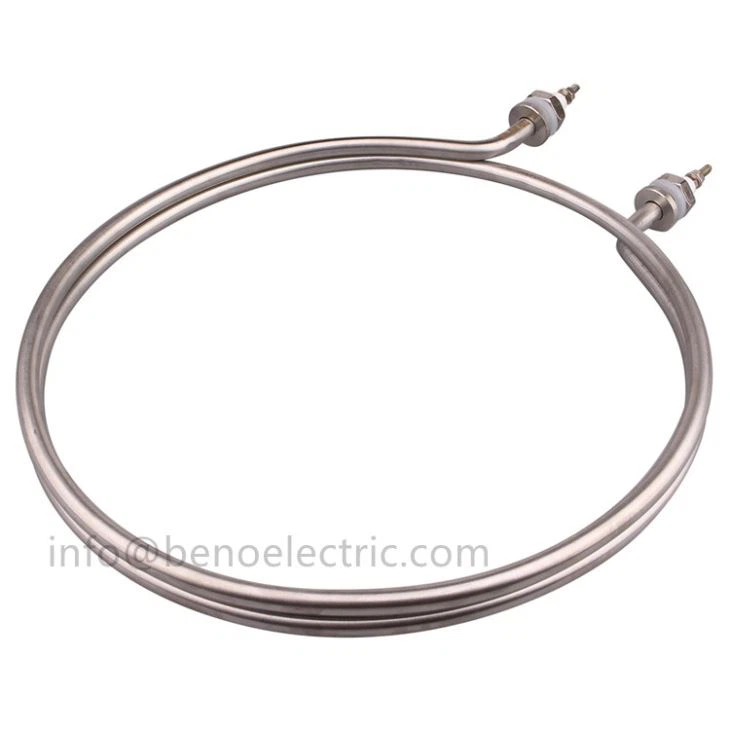
There are several types of IR heaters available on the market, including quartz heaters, ceramic heaters, and carbon heaters. Each type of heater uses a different heating element to generate infrared radiation. Quartz heaters use a quartz tube filled with a tungsten filament, which is heated to a high temperature to emit infrared radiation. Ceramic heaters use a ceramic heating element, which is coated with a special material to enhance its infrared emission. Carbon heaters use a carbon fiber heating element, which is known for its high efficiency and long lifespan.
Are IR Heaters Safe?
One of the most common concerns about IR heaters is whether they emit harmful radiation. The short answer is no. IR heaters emit a type of infrared radiation that is within the safe range for human exposure. In fact, infrared radiation is a natural part of our environment, and we are exposed to it every day from the sun and other sources.
The World Health Organization (WHO) has established guidelines for safe exposure to infrared radiation. According to these guidelines, the maximum allowable exposure to infrared radiation for an 8-hour workday is 1000 watts per square meter. Most IR heaters on the market emit infrared radiation at a much lower level than this, typically between 10 and 100 watts per square meter.
In addition to being within the safe range for human exposure, IR heaters also have several other safety features. Many IR heaters are equipped with overheat protection, which automatically shuts off the heater if it overheats. Some heaters also have a tip-over switch, which turns off the heater if it is accidentally knocked over.
Benefits of Using IR Heaters
In addition to being safe, IR heaters offer several other benefits compared to traditional heating systems. Here are some of the key benefits of using IR heaters:
- Energy Efficiency: IR heaters are more energy-efficient than traditional heating systems because they heat objects directly, rather than heating the air in the room. This results in less energy waste and lower energy bills.
- Comfort: IR heaters provide a more comfortable heating experience because they heat objects directly, rather than heating the air in the room. This results in a more even distribution of heat and less draft.
- Health Benefits: IR heaters can have several health benefits, including improving blood circulation, reducing muscle pain and stiffness, and promoting relaxation.
- Portability: IR heaters are typically lightweight and portable, making them easy to move from room to room or take with you on the go.
Choosing the Right IR Heater
When choosing an IR heater, there are several factors to consider, including the size of the room, the type of heater, and the features you need. Here are some tips to help you choose the right IR heater for your needs:
- Room Size: The size of the room you want to heat will determine the size and power of the IR heater you need. As a general rule, you should choose a heater that has a wattage of at least 10 watts per square foot of space.
- Type of Heater: There are several types of IR heaters available on the market, including quartz heaters, ceramic heaters, and carbon heaters. Each type of heater has its own advantages and disadvantages, so it's important to choose the type of heater that is best suited for your needs.
- Features: Some IR heaters come with additional features, such as a thermostat, a timer, and a remote control. These features can make your heater more convenient and easy to use.
Conclusion
In conclusion, IR heaters are a safe and efficient way to heat your home or office. They emit a type of infrared radiation that is within the safe range for human exposure and offer several other benefits compared to traditional heating systems. If you are considering purchasing an IR heater, I encourage you to do your research and choose a heater that is best suited for your needs.
If you have any questions or concerns about IR heaters, please feel free to contact me. I am happy to help you choose the right heater for your needs and answer any questions you may have.
Additional Resources
References
- World Health Organization. (2006). Guidelines for limiting exposure to time-varying electric, magnetic, and electromagnetic fields (up to 300 GHz).
- U.S. Environmental Protection Agency. (2016). Electromagnetic fields and public health: Radiofrequency electromagnetic fields.
If you're interested in purchasing high - quality IR heaters or have any procurement - related inquiries, we're here to assist you. Reach out to start a discussion on how our IR heaters can meet your specific heating needs.


