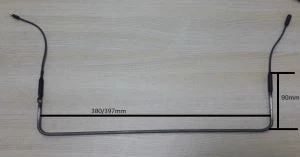
Optimizing defroster settings according to different weather conditions is crucial for ensuring efficient operation and extending the lifespan of defroster equipment. As a leading defroster supplier, we've amassed extensive experience and knowledge on this topic. In this blog, we'll delve into the details of adjusting defroster settings to suit various weather scenarios.
Cold and Dry Weather Conditions
In cold and dry weather, the primary concern is to prevent frost and ice from accumulating on surfaces. The low humidity in the air means that frost forms mainly due to the low temperatures. To optimize the defroster settings in this situation, we suggest increasing the heating power of the defroster. Our Defrosting Aluminum Aluminium Foil Heater Element provides a high - intensity heat output, which can quickly melt the frost and ice.
Set the defroster to operate at regular intervals. For example, if the outdoor temperature is around - 10°C to - 5°C, you can program the defroster to run for 10 - 15 minutes every hour. This constant cycle ensures that any newly formed frost is promptly removed. Additionally, adjust the airflow direction of the defroster to target the areas most prone to frost buildup, such as the corners and edges of windows or equipment surfaces.
Cold and Humid Weather Conditions
Cold and humid weather presents a more challenging scenario. The high moisture content in the air makes it easier for thick layers of frost and ice to form. In this case, not only do we need to increase the heating power, but we also have to enhance the defrosting frequency.


Our Aluminum Foil Heating Element is designed to handle high - humidity conditions effectively. It can generate a large amount of heat in a short time, melting the ice and preventing new ice from forming. When the outdoor temperature is between - 5°C and 0°C with high humidity, set the defroster to run for 15 - 20 minutes every 30 minutes. This frequent operation helps keep the surfaces free of ice.
Moreover, humidity can cause fogging on transparent surfaces, which can be a safety hazard in some applications such as in vehicle windshields or in industrial display windows. To combat this, you can adjust the defroster to direct more airflow towards the glass surfaces. This will not only melt the ice but also clear the fog by increasing the evaporation rate of the moisture on the glass.
Mild and Wet Weather Conditions
In mild and wet weather, temperatures are often just above freezing, and there is a significant amount of rain or sleet. While the risk of heavy ice formation is reduced compared to cold weather, there is still a chance of water freezing on surfaces when the temperature drops slightly at night.
For this weather condition, you can lower the heating power of the defroster. However, keep it running continuously at a low level. This is because the constant low - level heat prevents the water from freezing on contact. Our Baseboard Solar Water Aluminum Aluminium Foil Heater Tank Dryer is well - suited for this type of weather as it can provide a gentle and consistent heat source.
Monitor the temperature changes closely. If the temperature starts to drop towards freezing point, gradually increase the heating power and defrosting frequency. For example, if the temperature is around 2°C - 5°C, you can set the defroster to run at a low power continuously. If the temperature drops to 0°C - 2°C, increase the power to a medium level and run it for 5 - 10 minutes every 20 minutes.
Warm and Moist Weather Conditions
In warm and moist weather, the main issue is not frost or ice but rather the growth of mold and mildew due to high humidity. Although defrosters are primarily designed for frost and ice removal, they can also be adjusted to help with humidity control.
Set the defroster to operate at a low - heat, high - airflow setting. This helps to circulate the air and reduce humidity levels in enclosed spaces. The warm air generated by the defroster can also inhibit the growth of mold and mildew. If the indoor or outdoor temperature is around 15°C - 25°C with high humidity, you can run the defroster for 20 - 30 minutes every 2 - 3 hours.
Importance of Regular Maintenance
Regardless of the weather conditions, regular maintenance of the defroster is essential for optimal performance. Clean the defroster regularly to remove any dust, debris, or ice buildup that may affect its efficiency. Check the heating elements, fans, and control systems for any signs of damage or wear. Replace any faulty parts promptly to ensure that the defroster can operate at its best.
Conclusion
Optimizing defroster settings for different weather conditions requires a combination of knowledge, experience, and the right equipment. As a defroster supplier, we are committed to providing high - quality defroster products and professional advice to our customers. Whether you are dealing with cold and dry weather, cold and humid weather, mild and wet weather, or warm and moist weather, our defroster solutions can help you achieve the best results.
If you are interested in our defroster products or need more information on optimizing defroster settings, please feel free to contact us for purchasing and further discussions. We look forward to serving you and helping you solve all your defrosting needs.
References
- "Handbook of Heating, Ventilation, and Air - Conditioning" by American Society of Heating, Refrigerating and Air - Conditioning Engineers (ASHRAE).
- "Thermal Engineering in Building Systems" by various industry experts.