


As a supplier of IR heaters, I often receive inquiries from customers about how to adjust the temperature of an IR heater. In this blog post, I'll share some practical tips and methods based on my experience in the industry.
Understanding the Basics of IR Heaters
Before diving into temperature adjustment, it's crucial to understand how IR heaters work. Infrared heaters emit infrared radiation, which directly heats objects and people in its path rather than heating the air. This makes them energy - efficient and provides instant warmth.
IR heaters come in different types, such as short - wave, medium - wave, and long - wave heaters, each with its own characteristics and applications. Short - wave heaters are known for their rapid heating and high - intensity output, suitable for quick - heat applications. Medium - wave heaters offer a balance between heating speed and energy consumption. Long - wave heaters are ideal for gentle, long - term heating.
Factors Affecting Temperature Adjustment
Several factors can influence the temperature adjustability of an IR heater. The power rating of the heater is a primary factor. Higher - power heaters can generally reach higher temperatures more quickly. The distance between the heater and the object being heated also matters. The closer the heater is to the object, the more intense the heat will be. The surrounding environment, including ambient temperature and air circulation, can impact the perceived temperature.
Methods of Temperature Adjustment
Manual Control
Many IR heaters come with a manual control feature. This usually involves a simple dial or switch that allows you to increase or decrease the power output of the heater. By turning the dial clockwise, you can increase the power and thus the temperature. Conversely, turning it counter - clockwise reduces the temperature. This is a straightforward and cost - effective way to adjust the temperature, but it requires you to monitor the temperature manually and make adjustments as needed.
Thermostat Control
A more advanced option is to use a thermostat with your IR heater. A thermostat can sense the temperature in the environment and automatically adjust the heater's power output to maintain a set temperature. This provides a more precise and consistent temperature control. For example, if you set the thermostat to 25°C, the heater will turn on when the temperature drops below 25°C and turn off when it reaches 25°C. Some modern thermostats even come with programmable features, allowing you to set different temperatures at different times of the day.
Remote Control
Some high - end IR heaters come with a remote control. This provides convenience, as you can adjust the temperature from a distance. You can increase or decrease the temperature, turn the heater on or off, and even switch between different heating modes without having to get up and go to the heater. This is especially useful in large rooms or when you're sitting far away from the heater.
Step - by - Step Guide for Temperature Adjustment
Manual Control
- Locate the control dial or switch: On your IR heater, find the manual control. It's usually clearly marked.
- Start with a low setting: Turn the dial or switch to a low power setting. This allows you to gradually increase the temperature and avoid overheating.
- Monitor the temperature: Feel the warmth in the area being heated. If it's not warm enough, slowly turn the dial or switch to increase the power.
- Make small adjustments: Make small adjustments at a time and wait a few minutes to see the effect on the temperature. This helps you find the optimal setting without sudden temperature changes.
Thermostat Control
- Install the thermostat: If your heater doesn't come with a built - in thermostat, you'll need to install an external one. Follow the manufacturer's instructions carefully.
- Set the desired temperature: Use the thermostat's controls to set the temperature you want. Make sure to set it to a reasonable level based on your comfort needs.
- Let the system stabilize: Give the heater and thermostat some time to reach the set temperature. The heater will automatically turn on and off to maintain the set temperature.
Remote Control
- Familiarize yourself with the remote: Read the user manual to understand the functions of the remote control.
- Adjust the temperature: Use the temperature adjustment buttons on the remote to increase or decrease the temperature. You can usually see the current temperature setting on the heater's display or the remote itself.
Troubleshooting Temperature Adjustment Issues
Sometimes, you may encounter problems when adjusting the temperature of your IR heater. If the heater doesn't seem to be heating up or the temperature isn't changing as expected, here are some things to check:
- Power supply: Make sure the heater is properly plugged in and the power switch is on. Check the circuit breaker in case it has tripped.
- Control settings: Double - check that the control settings on the heater, thermostat, or remote are correct.
- Blockages: Ensure that there are no objects blocking the heater's infrared radiation. Obstructions can prevent the heat from reaching the desired area.
- Malfunction: If the problem persists, it could be a sign of a malfunction in the heater or the control system. Contact the manufacturer's customer service or a professional technician for further assistance.
Related Products for IR Heaters
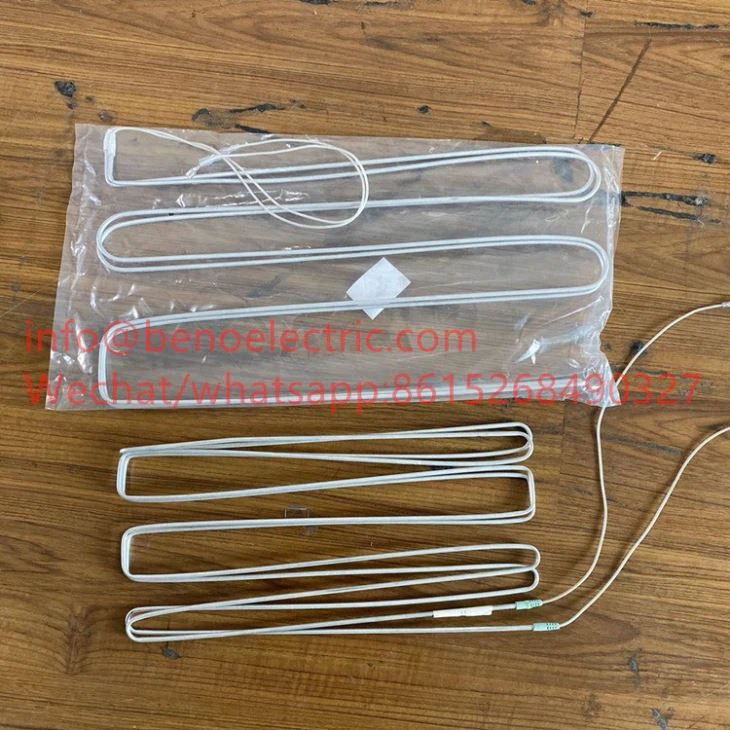
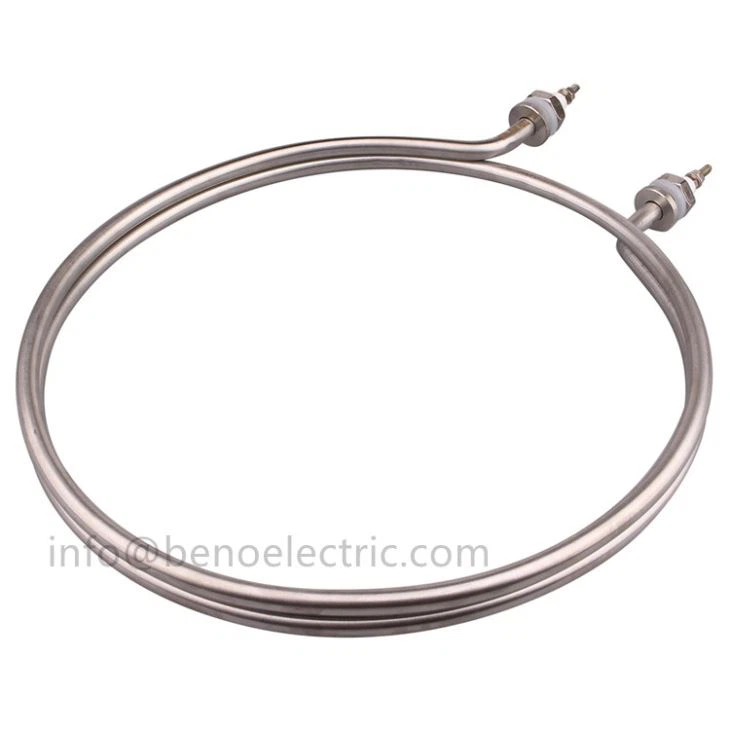
In addition to the heaters themselves, there are some related products that can enhance the performance of your IR heater. For example, Sauna heater element can be used in sauna applications to provide a more consistent and efficient heat source. suana heating element is another option that can help with defrosting and maintaining a suitable temperature in certain environments. Sauna Boil Heating Tube is also a useful product for specific heating needs.
Conclusion
Adjusting the temperature of an IR heater is an important aspect of using it effectively. Whether you choose manual control, thermostat control, or remote control, understanding the methods and factors involved can help you achieve the desired temperature and comfort level. If you have any questions about temperature adjustment or are interested in purchasing an IR heater or related products, feel free to contact us for more information and to start a procurement negotiation.
References
- Manufacturer's user manuals for IR heaters
- Industry research on infrared heating technology


