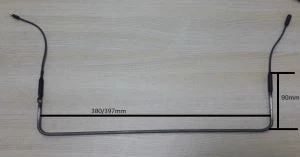
Hey there! As a heat pipe supplier, I get asked all the time about how to pick the right heat pipe for a specific application. It's not as straightforward as you might think, but don't worry – I'm here to break it down for you.
Understanding the Basics of Heat Pipes
First off, let's talk a bit about what heat pipes are. Heat pipes are these nifty little devices that transfer heat from one place to another. They work on the principle of phase change. Inside the heat pipe, there's a working fluid. When heat is applied at one end (the evaporator section), the fluid absorbs the heat and turns into vapor. This vapor then moves to the cooler end (the condenser section), where it releases the heat and turns back into a liquid. The liquid then flows back to the evaporator section, and the cycle repeats.
This process is super efficient because it relies on the latent heat of vaporization, which means a lot of heat can be transferred with just a small temperature difference. That's why heat pipes are used in so many different applications, from electronics cooling to industrial heat exchangers.
Factors to Consider When Choosing a Heat Pipe
Now, let's get into the nitty - gritty of choosing the right heat pipe. There are several key factors you need to take into account.
1. Heat Load
The heat load is basically how much heat you need to transfer. This is probably the most important factor. If you choose a heat pipe with a heat transfer capacity that's too low for your application, it won't be able to keep up, and your system could overheat. On the other hand, if you go for a heat pipe with a much higher capacity than you need, you'll end up spending more money than necessary.

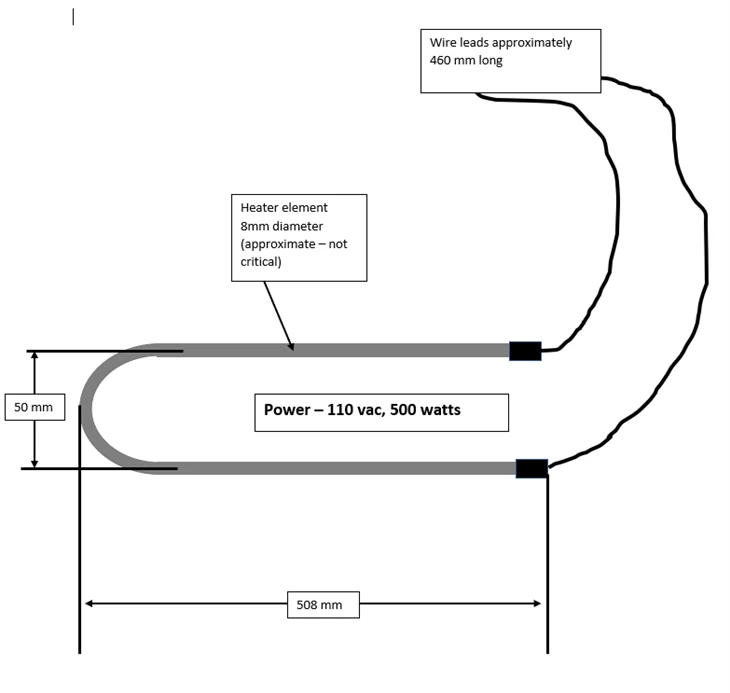
To determine the heat load, you need to know the power consumption of the heat source. For example, if you're cooling an electronic component, you can look at its datasheet to find out how much power it dissipates. Once you have that number, you can start looking for heat pipes that can handle that amount of heat.
2. Temperature Range
The temperature range of your application is also crucial. Different working fluids inside the heat pipe have different operating temperature ranges. For example, water is a common working fluid for heat pipes that operate at moderate temperatures (around 20 - 100°C). But if you need to transfer heat at very high temperatures (say, above 200°C), you might need a heat pipe with a different working fluid, like sodium or potassium.
Conversely, if your application operates at very low temperatures, you'll need a heat pipe with a fluid that can remain in a liquid state and transfer heat effectively at those low temperatures.
3. Size and Shape
The physical size and shape of the heat pipe matter too. You need to make sure the heat pipe can fit into the space available in your system. Sometimes, you might need a custom - shaped heat pipe to fit around other components or to follow a specific path for heat transfer.
For example, in some compact electronic devices, you might need a flat heat pipe or a heat pipe with a very small diameter to fit inside the limited space. In industrial applications, you might need long, straight heat pipes to cover a large distance for heat transfer.
4. Orientation
The orientation of the heat pipe can affect its performance. Heat pipes work best when the evaporator section is below the condenser section because gravity helps the condensed liquid flow back to the evaporator. But in some applications, you might not be able to have this ideal orientation.
In such cases, you need to choose a heat pipe with a wick structure that can overcome the lack of gravity assistance. There are different types of wick structures, like sintered wicks and groove wicks, and some are better at working in non - ideal orientations than others.
Types of Heat Pipes for Different Applications
Let's take a look at some common applications and the types of heat pipes that are suitable for them.
Electronics Cooling
In the world of electronics, heat pipes are used to cool components like CPUs, GPUs, and power transistors. For these applications, you typically need heat pipes with high heat transfer efficiency and a small size.
Flat heat pipes are often a great choice because they can be easily integrated into the compact design of electronic devices. They can also provide a large contact area for heat transfer, which helps to cool the components more effectively.
If you're looking for heat pipes for defrosting in electronics - related applications, you might be interested in Defrost Heater For Water Pan or Defrost Tubular Heater With Fins. These can help prevent ice buildup and ensure the proper functioning of the equipment.
Industrial Heat Exchangers
In industrial settings, heat pipes are used in heat exchangers to transfer heat between different fluids or processes. For industrial heat exchangers, you usually need heat pipes with a high heat transfer capacity and good durability.
Long, straight heat pipes are commonly used in these applications because they can cover a large distance for heat transfer. You might also need heat pipes that can withstand high pressures and temperatures, depending on the specific industrial process. The Continuing Heater Element could be a useful option for some industrial heating requirements.
Aerospace Applications
Aerospace applications have very strict requirements for heat pipes. They need to be lightweight, reliable, and able to operate in a wide range of temperatures and orientations.
Heat pipes with advanced wick structures are often used in aerospace because they can work effectively regardless of the orientation of the spacecraft or aircraft. These heat pipes also need to be made of materials that can withstand the harsh conditions of space or high - altitude flight.
Custom Heat Pipes
Sometimes, off - the - shelf heat pipes just won't cut it for your specific application. That's where custom heat pipes come in. At our company, we offer custom heat pipe solutions.
We can work with you to design a heat pipe that meets all your requirements in terms of heat load, temperature range, size, shape, and orientation. Whether you need a heat pipe with a unique shape to fit into a tight space or a heat pipe with a special working fluid for extreme temperatures, we can make it happen.
Making the Right Choice
Choosing the right heat pipe for your application is all about understanding your specific needs and then finding a heat pipe that can meet those needs. It's not always easy, but with the right information and a bit of guidance, you can make the best decision.
If you're still not sure which heat pipe is right for you, don't hesitate to reach out to us. We've got a team of experts who can help you figure out the best heat pipe solution for your application. Whether you're in the electronics, industrial, or aerospace industry, we're here to support you.
We're passionate about providing high - quality heat pipes that will keep your systems running smoothly. So, if you're ready to start your heat pipe procurement, just get in touch with us for a detailed discussion. We'll work with you every step of the way to ensure you get the perfect heat pipe for your needs.
References
- Incropera, F. P., & DeWitt, D. P. (2002). Fundamentals of Heat and Mass Transfer. Wiley.
- Kakaç, S., & Pramuanjaroenkij, A. (2005). Heat Pipes: Theory, Design, and Applications. Butterworth - Heinemann.