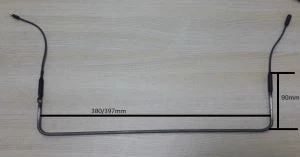
Storing a pet heater properly when it's not in use is crucial to ensure its longevity and continued safe operation. As a pet heater supplier, I've seen firsthand the importance of correct storage methods, and I'm here to share some valuable insights with you.
Why Proper Storage Matters
Before delving into the storage process, let's understand why it's so important. Pet heaters are often made with sensitive components that can be damaged by improper storage. Exposure to moisture, dust, and physical impact can lead to malfunctions, reduced efficiency, or even pose a safety hazard when the heater is used again. By storing your pet heater correctly, you can extend its lifespan, maintain its performance, and keep your furry friends safe and warm when you need it most.
Preparing the Heater for Storage
The first step in storing a pet heater is to prepare it properly. This involves cleaning the heater to remove any dirt, hair, or debris that may have accumulated during use. Use a soft, dry cloth to wipe down the exterior of the heater, and if necessary, use a mild detergent to clean any stubborn stains. Be sure to unplug the heater and allow it to cool completely before cleaning to avoid the risk of electric shock.
Next, check the heater for any signs of damage or wear. Look for frayed cords, loose connections, or any other issues that may affect its safety or performance. If you notice any problems, it's best to have the heater repaired or replaced before storing it.
Choosing the Right Storage Location
Once the heater is clean and checked for damage, it's time to choose the right storage location. The ideal storage location should be dry, cool, and away from direct sunlight. Avoid storing the heater in areas prone to flooding, high humidity, or extreme temperatures, as these conditions can damage the heater's components.
A closet or storage cabinet is a great option for storing a pet heater. Make sure the cabinet is clean and free of any sharp objects or chemicals that could damage the heater. If you don't have a closet or storage cabinet, you can also store the heater in a plastic storage bin. Just be sure to label the bin clearly so you can easily find the heater when you need it.
Storing the Heater Properly
When storing the heater, it's important to keep it in its original packaging if possible. The original packaging is designed to protect the heater during shipping and storage, and it can provide an extra layer of protection against damage. If you no longer have the original packaging, you can use a soft, padded case or a blanket to wrap the heater and protect it from scratches and dents.


If the heater has a detachable cord, be sure to coil the cord neatly and secure it with a twist tie or cable tie. This will prevent the cord from becoming tangled or damaged during storage. You can also use a cord organizer to keep the cord organized and easy to manage.
Additional Tips for Storing a Pet Heater
- Store the heater in an upright position: Storing the heater in an upright position will help prevent any liquids or debris from accumulating inside the heater.
- Avoid stacking heavy objects on top of the heater: Stacking heavy objects on top of the heater can damage the heater's components and affect its performance.
- Check the heater periodically during storage: Even if you've stored the heater in a safe location, it's still a good idea to check it periodically to make sure it's in good condition. Look for any signs of damage or wear, and if necessary, clean the heater again before using it.
Storing Different Types of Pet Heaters
There are several different types of pet heaters available on the market, each with its own unique storage requirements. Here are some tips for storing different types of pet heaters:
- Electric pet heaters: Electric pet heaters should be unplugged and stored in a dry, cool location. If the heater has a detachable cord, be sure to coil the cord neatly and secure it with a twist tie or cable tie.
- Microwaveable pet heaters: Microwaveable pet heaters should be stored in a dry, cool location away from direct sunlight. Avoid storing the heater in areas prone to high humidity or extreme temperatures, as these conditions can damage the heater's filling.
- Self-heating pet pads: Self-heating pet pads should be stored in a dry, cool location away from direct sunlight. If the pad has a detachable cover, be sure to remove the cover and wash it according to the manufacturer's instructions before storing the pad.
Conclusion
Storing a pet heater properly when it's not in use is essential to ensure its longevity and continued safe operation. By following the tips outlined in this blog post, you can keep your pet heater in good condition and ready to use when you need it most.
If you're in the market for a new pet heater, be sure to check out our selection of high-quality pet heaters at [Insert Website URL]. We offer a wide range of pet heaters to suit every need and budget, including Drainpipe Heating Wire Elements Heater Element Band Strip, Factory Price Drain Line Wire Heater, and Appliance Heating Heater Wire Cable Element. Our pet heaters are designed to provide safe, reliable warmth for your furry friends, and we offer a satisfaction guarantee on all of our products.
If you have any questions or need help choosing the right pet heater for your needs, please don't hesitate to contact us. Our knowledgeable customer service team is here to assist you and answer any questions you may have. We look forward to hearing from you and helping you keep your pet warm and comfortable all year round.
References
- American Pet Products Association. (2023). Pet Heaters: Keeping Your Furry Friends Warm and Safe. Retrieved from [Insert URL]
- Consumer Product Safety Commission. (2023). Pet Heaters: Safety Tips for Pet Owners. Retrieved from [Insert URL]
- National Fire Protection Association. (2023). Electrical Safety for Pet Owners. Retrieved from [Insert URL]