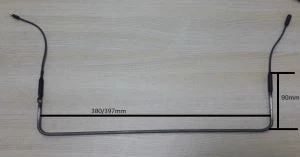
As a seasoned heat plate supplier, I've witnessed firsthand the challenges that come with preventing heat plates from overheating. Overheating not only shortens the lifespan of the heat plate but can also pose significant safety risks. In this blog, I'll share some practical tips and insights on how to prevent a heat plate from overheating, ensuring its optimal performance and safety.


Understanding the Causes of Overheating
Before diving into prevention methods, it's crucial to understand the common causes of heat plate overheating. Several factors can contribute to this issue, including:
- Poor Ventilation: Heat plates generate a significant amount of heat during operation. If the surrounding area lacks proper ventilation, the heat can build up, causing the plate to overheat.
- Overloading: Exceeding the heat plate's recommended load capacity can lead to overheating. When too much heat is generated in a confined space, the plate struggles to dissipate it effectively.
- Faulty Components: Malfunctioning heating elements, thermostats, or other components can cause the heat plate to overheat. These issues may result from wear and tear, manufacturing defects, or improper installation.
- Dirty or Blocked Filters: Filters play a vital role in maintaining proper airflow and preventing debris from entering the heat plate. If the filters are dirty or blocked, the airflow is restricted, leading to overheating.
Preventive Measures
Now that we've identified the potential causes of overheating, let's explore some preventive measures to keep your heat plate running smoothly:
- Ensure Adequate Ventilation: Proper ventilation is essential for dissipating heat and preventing overheating. Make sure the heat plate is installed in a well-ventilated area with sufficient clearance around it. Avoid placing the plate in enclosed spaces or near flammable materials. If necessary, use additional fans or ventilation systems to improve airflow.
- Follow Load Capacity Guidelines: Always adhere to the manufacturer's recommended load capacity for the heat plate. Overloading the plate can cause it to overheat and may also void the warranty. If you need to heat larger items, consider using a larger heat plate or multiple plates.
- Regular Maintenance and Inspections: Schedule regular maintenance and inspections to keep the heat plate in optimal condition. This includes cleaning the filters, checking for loose connections, and inspecting the heating elements and thermostats for signs of damage. Replace any worn or faulty components promptly to prevent overheating.
- Use High-Quality Components: When replacing components or upgrading the heat plate, choose high-quality parts from reputable manufacturers. Inferior components may not function properly and can increase the risk of overheating. Consider using products like the BBQ Electric Tubular Heating Element, Heating Element Oven Tubular Heating Electric Tubular Heating Element For Oven Repair, and Good Quality Stainless Steel Oven Heating Element for reliable performance.
- Monitor Temperature: Install a temperature monitoring system to keep track of the heat plate's temperature during operation. This allows you to detect any abnormal temperature increases and take corrective action before overheating occurs. Some heat plates come with built-in temperature sensors, while others may require an external monitoring device.
- Train Users Properly: If the heat plate is used in a commercial or industrial setting, ensure that all users are properly trained on its safe operation. Provide clear instructions on load capacity, ventilation requirements, and maintenance procedures. Encourage users to report any issues or concerns immediately.
Troubleshooting Overheating Issues
Despite taking preventive measures, overheating issues may still occur. If you notice that the heat plate is overheating, follow these steps to troubleshoot the problem:
- Turn Off the Heat Plate: Immediately turn off the heat plate and unplug it from the power source to prevent further damage or safety hazards.
- Allow the Plate to Cool Down: Let the heat plate cool down completely before attempting to inspect or repair it. This may take several hours, depending on the severity of the overheating.
- Check for Blockages or Damage: Inspect the heat plate for any blockages or damage to the filters, ventilation system, or heating elements. Clean or replace any dirty or damaged components as needed.
- Test the Thermostat: Use a multimeter to test the thermostat for proper operation. If the thermostat is faulty, replace it with a new one.
- Contact a Professional: If you're unable to identify or resolve the overheating issue, contact a professional technician or the manufacturer's customer support for assistance. They have the expertise and tools to diagnose and repair the problem safely.
Conclusion
Preventing a heat plate from overheating is essential for ensuring its optimal performance, longevity, and safety. By understanding the causes of overheating and implementing the preventive measures outlined in this blog, you can minimize the risk of overheating and keep your heat plate running smoothly. Remember to follow the manufacturer's guidelines, perform regular maintenance, and monitor the temperature during operation. If you have any questions or need further assistance, please don't hesitate to contact us. We're here to help you find the right heat plate solutions for your needs and ensure a successful procurement process.
References
- "Heat Plate Safety and Maintenance Guide." Manufacturer's Manual.
- "Preventing Overheating in Electrical Equipment." Electrical Safety Foundation International.
- "Industrial Heating Equipment: Operation and Maintenance." American Society of Mechanical Engineers.