


How to protect a PI heater from over - heating
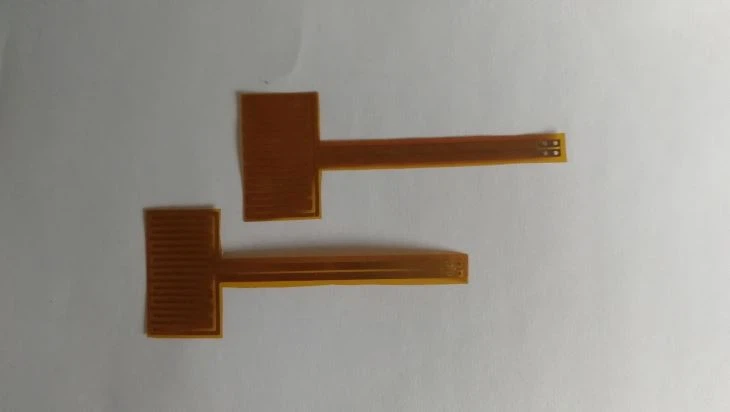
As a prominent PI heater supplier, I know firsthand the importance of ensuring the longevity and safety of these heating elements. PI heaters, specifically those made of Polyimide (Kapton), are widely used in various industrial and commercial applications due to their excellent flexibility, high-temperature resistance, and even heat distribution. However, over - heating can pose significant risks such as damage to the heater itself, the surrounding equipment, and can even lead to safety hazards. In this blog, I will share several effective strategies to protect a PI heater from over - heating.
1. Proper Sizing and Selection
The first step in preventing over - heating is to select the right PI heater for your application. When choosing a heater, consider the required power output, temperature range, and the size of the area to be heated. Using an under - sized heater to try and achieve a high temperature can cause it to over - work and over - heat. On the other hand, an over - sized heater may generate more heat than necessary, leading to excessive temperatures.
If you need a customized solution for your specific requirements, you can refer to our Custom Kapton Heater page. Here, our team can work with you to determine the exact specifications of the heater, including the power density, shape, and dimensions, ensuring that the heater is perfectly matched to your application and reduces the risk of over - heating.
2. Temperature Control Systems
Installing a reliable temperature control system is crucial for regulating the temperature of a PI heater. There are several types of temperature control devices available, such as thermostats and temperature sensors.
A thermostat is a simple yet effective device that can be set to a specific temperature. When the heater reaches this set temperature, the thermostat will automatically cut off the power supply, preventing the heater from reaching a higher temperature. This on - off control mechanism helps to maintain a relatively stable temperature and protects the heater from over - heating.
Temperature sensors, on the other hand, can provide more precise temperature monitoring. These sensors can be connected to a control panel or a programmable logic controller (PLC). The PLC can then adjust the power input to the heater based on the temperature readings from the sensor, allowing for more accurate temperature regulation. This is especially useful in applications where precise temperature control is required, such as in laboratory equipment or semiconductor manufacturing.
3. Cooling and Ventilation
Providing adequate cooling and ventilation can significantly reduce the risk of over - heating. In some industrial settings, the PI heater may be installed in an enclosed space, which can trap heat and cause the temperature to rise rapidly. In such cases, it is essential to design a proper ventilation system.
One approach is to use fans or blowers to circulate air around the heater. This helps to dissipate the heat and keep the temperature within a safe range. Another option is to use heat sinks, which are passive cooling devices that absorb and transfer heat away from the heater. Heat sinks are typically made of materials with high thermal conductivity, such as aluminum or copper.
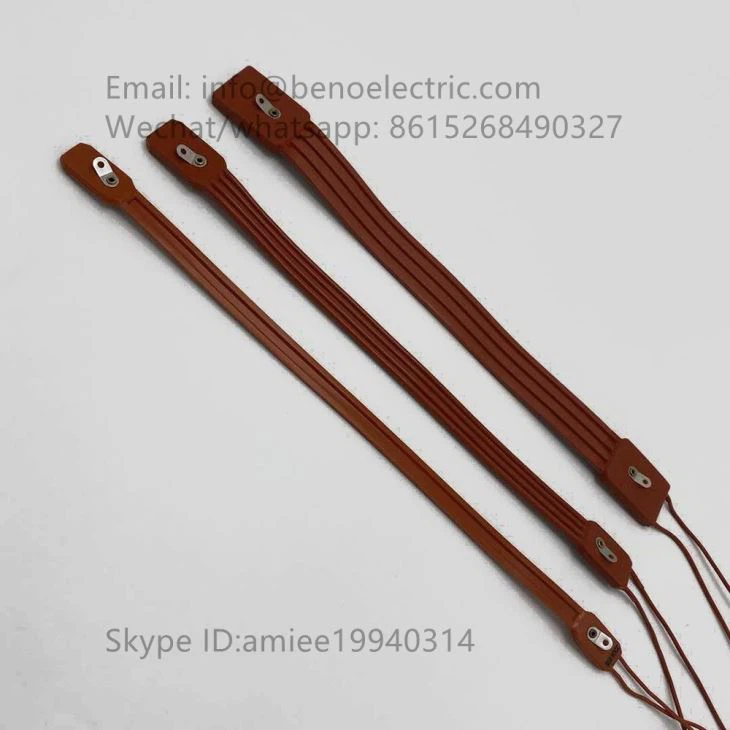
Our Heating Belts Heater products are designed with ventilation in mind. They are often used in applications where proper air circulation is necessary to prevent over - heating. By choosing our heating belts, you can ensure that the heater is well - ventilated and operates safely.
4. Regular Maintenance and Inspection
Regular maintenance and inspection of the PI heater are essential for early detection of potential problems that could lead to over - heating. During maintenance, check for any signs of damage, such as cracks, burns, or loose connections. These issues can cause an increase in resistance, leading to higher power consumption and over - heating.
Inspect the insulation of the heater as well. Damaged insulation can expose the heating elements, increasing the risk of electrical shorts and over - heating. Replace any worn - out or damaged parts immediately to prevent further problems.
In addition, clean the heater regularly to remove any dust, debris, or other contaminants that may accumulate on the surface. These substances can act as insulators, reducing the efficiency of heat transfer and causing the temperature to rise.
5. Use of PTC Heaters
Positive Temperature Coefficient (PTC) heaters can be a great option to prevent over - heating. Unlike traditional resistance heaters, PTC heaters have a unique property where their resistance increases with temperature. As the temperature of the heater rises, the resistance also increases, which in turn reduces the current flow and power consumption. This self - regulating feature helps to maintain a stable temperature and prevents the heater from over - heating.
If you are interested in exploring the benefits of PTC heaters, you can visit our PTC heater page. Here, you can learn more about how PTC heaters work and how they can be used in various applications to ensure safe and reliable heating.
Conclusion
Protecting a PI heater from over - heating is a multi - faceted process that requires careful consideration during the selection, installation, and operation of the heater. By following the strategies outlined above, such as proper sizing, using temperature control systems, providing adequate cooling and ventilation, conducting regular maintenance, and considering the use of PTC heaters, you can significantly reduce the risk of over - heating and extend the lifespan of your PI heater.
If you have any questions about our PI heaters or need assistance in choosing the right heating solution for your application, please feel free to contact us. We are here to help you make informed decisions and ensure that your heating needs are met safely and efficiently.
References
- "Polyimide Heater Handbook", A Guide to the Use and Maintenance of Polyimide Heaters, Industry Press.
- "Temperature Control Systems: Principles and Applications", Academic Publishing.


