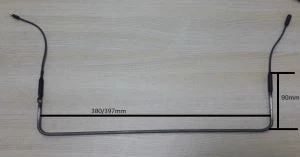
Selecting the right hot runner nozzle is a crucial decision in the injection molding process, as it directly impacts the quality, efficiency, and cost - effectiveness of production. As a hot runner supplier, I understand the complexities involved in this selection process and am here to guide you through the key factors to consider.
1. Material Compatibility
The first and foremost consideration when choosing a hot runner nozzle is the compatibility with the plastic material being used. Different plastics have different melting points, viscosities, and chemical properties. For instance, high - temperature plastics like PEEK (Polyether Ether Ketone) require nozzles that can withstand extreme heat without deforming or losing their performance. On the other hand, more viscous materials such as some grades of polycarbonate need nozzles with larger flow channels to ensure smooth and consistent flow.
When dealing with corrosive plastics, such as PVC (Polyvinyl Chloride), the nozzle material must be resistant to chemical attack. Special coatings or materials like stainless steel can be used to protect the nozzle from corrosion and ensure a long service life. It's essential to consult the material data sheets provided by the plastic resin manufacturers and match them with the nozzle's specifications. This will help prevent issues like material degradation, inconsistent part quality, and premature nozzle failure.
2. Part Design and Geometry
The design and geometry of the part being molded play a significant role in nozzle selection. For small, intricate parts, a pinpoint or valve - gated nozzle may be the best choice. Pinpoint nozzles provide a small gate size, which leaves minimal marks on the part surface and is ideal for applications where aesthetics are crucial. Valve - gated nozzles, on the other hand, offer precise control over the gate opening and closing, allowing for better control of the filling process and reducing the risk of gate vestiges.
For larger parts, a larger - diameter open - nozzle or a hot tip nozzle might be more suitable. These nozzles can deliver a higher volume of molten plastic quickly, ensuring that the part is filled evenly and completely. Additionally, the location of the gate on the part also affects nozzle selection. Gates should be placed in areas that allow for proper filling and packing of the part, while avoiding areas that may cause cosmetic or structural issues.
3. Production Volume and Cycle Time
The production volume and desired cycle time are important factors to consider. For high - volume production, a nozzle with a high - flow capacity and rapid heat - up and cool - down times is essential. This will help reduce the overall cycle time and increase productivity. For example, a hot runner system with multiple nozzles can be used to mold multiple parts simultaneously, further increasing the production output.
However, high - flow nozzles may require more energy to operate and may have a higher initial cost. For low - volume production or prototyping, a more cost - effective nozzle option may be preferred. In this case, a simple open - nozzle design may be sufficient, as long as it can meet the part quality requirements. It's important to balance the production volume, cycle time, and cost to select the most appropriate nozzle for your specific application.
4. Temperature Control
Accurate temperature control is critical for ensuring consistent part quality. Hot runner nozzles need to maintain a precise temperature throughout the molding process to prevent issues like material solidification in the nozzle or overheating, which can lead to material degradation.


There are different types of temperature control systems available, including cartridge heaters, band heaters, and induction heating. Cartridge heaters are commonly used and provide direct heating to the nozzle, offering fast and efficient heat transfer. Band heaters are suitable for larger - diameter nozzles and can provide uniform heating around the circumference of the nozzle. Induction heating is a more advanced technology that offers rapid heating and precise temperature control, but it may be more expensive.
It's important to choose a temperature control system that is compatible with the nozzle and can maintain a stable temperature within the required range. Regular monitoring and calibration of the temperature control system are also necessary to ensure optimal performance.
5. Nozzle Maintenance and Serviceability
The ease of maintenance and serviceability of the hot runner nozzle should not be overlooked. Nozzles may require regular cleaning, inspection, and replacement of components over time. A nozzle with a simple design and easy - to - access components will make maintenance tasks more straightforward and reduce downtime.
Some nozzles are designed with quick - change features, allowing for rapid replacement of worn - out parts without the need for extensive disassembly. Additionally, choosing a nozzle from a reliable supplier who offers good technical support and readily available spare parts is crucial. This will ensure that any issues can be resolved quickly and minimize the impact on production.
6. Cost Considerations
Cost is always a factor in any business decision. When selecting a hot runner nozzle, it's important to consider both the initial purchase cost and the long - term operating cost. A high - quality nozzle may have a higher upfront cost but can offer better performance, longer service life, and lower maintenance costs in the long run.
It's also important to consider the cost of energy consumption. Nozzles with more efficient heating systems can help reduce energy costs over time. Additionally, the cost of spare parts and maintenance services should be factored into the overall cost analysis. Comparing the prices and features of different nozzles from various suppliers can help you find the best value for your investment.
7. Compatibility with the Molding Machine
The hot runner nozzle must be compatible with the injection molding machine. This includes considerations such as the nozzle diameter, the mounting interface, and the connection to the machine's heating and control systems.
The nozzle diameter should match the machine's barrel diameter to ensure proper alignment and flow of molten plastic. The mounting interface should be designed to fit securely onto the machine's manifold or mold plate. Additionally, the nozzle's electrical and control connections should be compatible with the machine's control system to allow for seamless integration and operation.
8. Industry and Application Requirements
Different industries have specific requirements and standards that need to be met. For example, the medical industry requires parts to be free of contaminants and meet strict regulatory requirements. In this case, a hot runner nozzle with a clean - design and easy - to - clean features may be necessary.
The automotive industry often requires high - strength and high - quality parts, which may necessitate the use of advanced nozzle technologies and materials. The food packaging industry requires nozzles that are made from food - grade materials and can prevent any contamination of the food products. It's important to understand the industry and application requirements and select a nozzle that can meet these standards.
Related Products
When considering hot runner nozzles, you may also be interested in related heating elements. For example, the Beding Defrosting Heater Element is a reliable option for defrosting applications. It provides efficient heating and ensures proper operation in cold environments. The Stainless Steel Customized Electric Evaporator Cold Storage Defrost Heater Element is another great choice, especially for cold storage applications where corrosion resistance and customized solutions are required. And the Defrost Heater For Cold Room Evaporator is specifically designed to meet the needs of cold room evaporators, providing effective defrosting performance.
Conclusion
Selecting the right hot runner nozzle is a complex process that requires careful consideration of multiple factors. By taking into account material compatibility, part design, production volume, temperature control, maintenance, cost, machine compatibility, and industry requirements, you can make an informed decision that will result in high - quality parts, efficient production, and cost - effective operations.
As a hot runner supplier, we are committed to providing you with the best solutions and support. Our team of experts is available to assist you in the nozzle selection process and answer any questions you may have. If you are interested in learning more about our hot runner nozzles or would like to discuss your specific application, please feel free to contact us for a detailed consultation and procurement discussion. We look forward to working with you to achieve your injection molding goals.
References
- "Injection Molding Handbook" by O. Olabisi
- Material data sheets from plastic resin manufacturers
- Technical literature provided by hot runner system suppliers