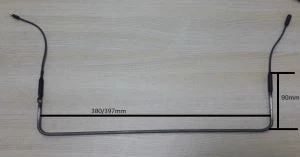
As a heat maker supplier, I understand the importance of proper storage when these essential devices are not in use. Heat makers come in various forms, from small portable units to large industrial - scale equipment. Ensuring their correct storage not only extends their lifespan but also maintains their efficiency and safety for future use.
1. Cleaning the Heat Maker
Before storing a heat maker, a thorough cleaning is crucial. Over time, dust, debris, and other contaminants can accumulate on the surface and inside the unit. This buildup can not only affect the performance of the heat maker but also pose a fire hazard in some cases.
For air - based heat makers like Air Conditioner Air Heater Dryer Finned Tubular Heater Heating Element, start by unplugging the device and allowing it to cool completely. Use a soft, dry cloth to wipe the exterior, removing any visible dirt or stains. For hard - to - reach areas, a can of compressed air can be used to blow out dust from vents and crevices.
If the heat maker has filters, these should be removed and cleaned according to the manufacturer's instructions. Some filters can be washed with mild soap and water, while others may need to be replaced. A clean filter ensures proper air circulation and reduces the strain on the heating element.
For finned heat makers such as Finned Heater Heating Tube Element, special attention should be paid to the fins. The fins are designed to increase the surface area for heat transfer, but they can easily collect dust. A fin comb can be used to straighten any bent fins and remove dust that has become trapped between them.
2. Disassembling (if applicable)
Some heat makers can be disassembled for easier storage. This is especially true for larger or more complex units. However, it's important to follow the manufacturer's instructions carefully when disassembling. Keep track of all the parts, and if possible, label them to ensure easy reassembly later.
For example, some industrial heat makers may have removable panels or components. By taking these apart, the heat maker can be stored in a more compact space. When disassembling, be sure to place the parts in a safe and organized manner, perhaps in a labeled container or on a tray.
3. Choosing the Right Storage Location
The storage location plays a vital role in maintaining the quality of the heat maker. It should be a dry, cool, and well - ventilated area. Moisture is one of the biggest enemies of heat makers as it can cause rusting, corrosion, and electrical short - circuits.
Avoid storing the heat maker in basements or areas prone to flooding. If the only available space is a basement, consider using a dehumidifier to keep the moisture levels low. A temperature - controlled environment is also ideal, as extreme temperatures can damage the components of the heat maker.
The storage area should be free from direct sunlight, as prolonged exposure to sunlight can cause the plastic parts to fade and become brittle. Additionally, it should be away from any sources of chemicals or fumes that could corrode the heat maker.
4. Protecting the Heat Maker
Once the heat maker is clean and the storage location is chosen, it's time to protect it. For smaller heat makers, a simple dust cover can be used. These covers are usually made of fabric or plastic and can prevent dust from settling on the unit during storage.


For larger heat makers, a more comprehensive protection method may be required. This could involve wrapping the unit in a protective film or using a custom - made storage cover. If the heat maker has sharp edges or protruding parts, padding can be added to prevent damage during storage and transportation.
5. Storing in an Upright Position (if necessary)
Some heat makers, especially those with liquid - filled components or specific internal mechanisms, need to be stored in an upright position. This ensures that the internal fluids are distributed correctly and that there is no risk of leakage.
Check the manufacturer's instructions to see if your heat maker falls into this category. If it does, make sure to find a storage space where the unit can stand upright securely.
6. Regular Inspections
Even during storage, it's a good idea to conduct regular inspections of the heat maker. This can help detect any early signs of damage or deterioration. Inspect the unit for any signs of rust, corrosion, or physical damage. Check the cords and plugs for fraying or other issues.
If any problems are detected during the inspection, it's important to address them immediately. This may involve cleaning, repairing, or replacing parts. By catching these issues early, you can prevent more serious problems from developing and ensure that the heat maker is in good working condition when it's time to use it again.
7. Reassembling and Testing
When the time comes to use the heat maker again, it's important to reassemble it correctly if it was disassembled for storage. Follow the manufacturer's instructions carefully and double - check that all parts are properly connected.
After reassembling, test the heat maker before using it for an extended period. Plug it in and turn it on to make sure it heats up properly and that there are no unusual noises or smells. If there are any issues, do not use the heat maker and contact a professional for repair.
In conclusion, proper storage of heat makers is essential for their longevity and performance. By following these steps, you can ensure that your heat maker remains in good condition and is ready to use when needed.
If you are in the market for high - quality heat makers, we have a wide range of products to meet your needs. Our Fin Heating Element For Air Heater and other heat maker solutions are designed with the latest technology and built to last. We welcome you to contact us for more information and to discuss your procurement needs. Whether you are a small business or a large industrial operation, we can provide the right heat maker for your requirements.
References
- Manufacturer's manuals of various heat makers
- Industry standards and guidelines for heat maker storage