


In the realm of thermal management, two key players often come into the limelight: heatpipes and traditional heat sinks. As a professional heatpipe supplier, I am frequently asked about the differences between these two cooling solutions. In this blog post, I will delve deep into the characteristics, advantages, and disadvantages of heatpipes and traditional heat sinks to help you make an informed decision when it comes to thermal management.
How Traditional Heat Sinks Work
Traditional heat sinks are one of the most common and well - known thermal management devices. They operate on a simple principle of conduction and convection. A heat sink is typically made of a thermally conductive material, such as aluminum or copper. When a heat - generating component, like a CPU in a computer, is in contact with the heat sink, heat is transferred from the component to the heat sink through conduction.
The heat sink is designed with fins to increase its surface area. The larger the surface area, the more efficiently it can dissipate heat into the surrounding air. Once the heat is transferred to the fins, natural or forced convection comes into play. In natural convection, the warmer air around the fins rises, allowing cooler air to take its place, facilitating heat transfer. In forced convection, a fan is often used to blow air over the fins, enhancing the rate of heat dissipation.
How Heatpipes Work
Heatpipes, on the other hand, are a more advanced and efficient heat transfer device. A heatpipe is a sealed tube that contains a small amount of working fluid, such as water or ammonia. The inner wall of the heatpipe is lined with a wick structure.
The working principle of a heatpipe is based on the phase change of the working fluid. When the heatpipe is exposed to a heat source at one end (the evaporator section), the working fluid absorbs the heat and evaporates. The vapor then moves to the cooler end of the heatpipe (the condenser section) due to the pressure difference. At the condenser section, the vapor releases the heat and condenses back into a liquid. The wick structure inside the heatpipe then wicks the liquid back to the evaporator section, completing the cycle.
Efficiency Comparison
One of the most significant differences between heatpipes and traditional heat sinks is their efficiency. Heatpipes are far more efficient in transferring heat than traditional heat sinks. Traditional heat sinks rely mainly on conduction through the solid material, which has a limited thermal conductivity. Even with fins to increase the surface area, the rate of heat transfer is relatively slow.
In contrast, heatpipes can transfer heat at a much higher rate due to the phase - change process of the working fluid. The latent heat of vaporization and condensation allows heatpipes to move large amounts of heat with very little temperature difference between the evaporator and condenser sections. For example, in high - power electronic devices, heatpipes can transfer heat more effectively, keeping the components at a lower temperature compared to traditional heat sinks.
Space and Design Flexibility
Another difference lies in space and design flexibility. Traditional heat sinks usually require a large volume to achieve sufficient heat dissipation. They need a large number of fins to increase the surface area, which can make them bulky and take up a lot of space. This can be a significant drawback in applications where space is limited, such as in laptops or small - form - factor electronic devices.
Heatpipes, however, offer much greater design flexibility. They can be bent and shaped to fit different spaces and configurations. A heatpipe can transfer heat from a heat source to a more convenient location for dissipation, such as to a remote heat sink or a ventilation area. This allows for more compact and innovative designs in thermal management systems. For instance, in modern laptops, heatpipes are used to transfer heat from the CPU and GPU to a small heat sink located at the edge of the device, enabling a thinner and more lightweight design.

Cost Consideration
Cost is also an important factor when comparing heatpipes and traditional heat sinks. Traditional heat sinks are generally less expensive to manufacture. The materials used, such as aluminum, are relatively cheap, and the manufacturing process is straightforward. This makes traditional heat sinks a cost - effective solution for applications with low - to - medium heat dissipation requirements.
Heatpipes, on the other hand, are more expensive. The manufacturing process of heatpipes is more complex, involving the precise filling of the working fluid and the creation of the wick structure. Additionally, the materials used in high - performance heatpipes can be costly. However, in applications where high - efficiency heat transfer is crucial, the additional cost of heatpipes may be justified by the improved performance and reliability of the thermal management system.
Applications
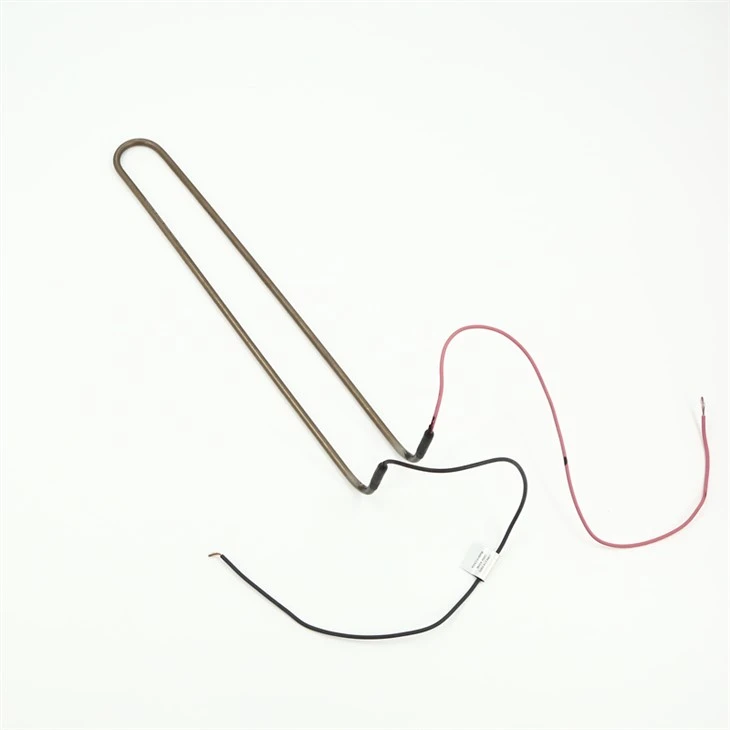
The differences in performance, space requirements, and cost also lead to different applications for heatpipes and traditional heat sinks. Traditional heat sinks are commonly used in applications where cost is a major concern and the heat dissipation requirements are not extremely high. For example, they are widely used in household appliances, such as refrigerators, where a simple and cost - effective cooling solution is sufficient. You can find more information about relevant parts like Chiller Evaporator Heating Heater Tube Solution Parts, Tubular Electric Defrost Enclosure Heater Coil With Thermostat, and Refrigerator Parts Defrosting Tubular Heating Element.
Heatpipes, on the other hand, are used in high - performance applications where efficient heat transfer is essential. They are commonly found in computers, especially in high - end CPUs and GPUs, where the heat generated is very high. Heatpipes are also used in aerospace and military applications, where reliability and compact design are crucial.
Conclusion
In conclusion, heatpipes and traditional heat sinks have their own unique characteristics and advantages. Traditional heat sinks are a cost - effective and simple solution for low - to - medium heat dissipation requirements, while heatpipes offer high - efficiency heat transfer and greater design flexibility, making them suitable for high - performance applications.
As a heatpipe supplier, I understand the importance of choosing the right thermal management solution for different applications. Whether you are looking for a reliable cooling solution for your electronic devices or need to optimize the thermal performance of your products, we can provide you with high - quality heatpipes and professional advice. If you are interested in our heatpipe products or would like to discuss your specific thermal management needs, please feel free to contact us for procurement and further洽谈.
References
- Incropera, F. P., & DeWitt, D. P. (2002). Fundamentals of Heat and Mass Transfer. Wiley.
- Kakaç, S., & Pramuanjaroenkij, A. (2005). Heat Pipes: Science and Technology. Taylor & Francis.


