


Can a Brew Belt Be Used for Making Beer at High Altitudes?
As a supplier of brew belts, I often receive inquiries from customers in various regions, including those living at high altitudes. The question of whether a brew belt can be effectively used for making beer at high altitudes is a valid and interesting one. In this blog post, I'll delve into the science behind brewing at high altitudes, the functionality of brew belts, and how they can be utilized in such environments.
The Challenges of Brewing at High Altitudes
Brewing beer is a delicate process that involves several chemical and physical reactions. One of the most significant factors affected by altitude is air pressure. As altitude increases, air pressure decreases. This decrease in air pressure has a direct impact on the boiling point of water. At sea level, water boils at 100°C (212°F). However, for every 500 - 600 meters (1640 - 1970 feet) increase in altitude, the boiling point of water drops by approximately 1°C (1.8°F).

This lower boiling point can have several implications for the brewing process. For instance, hops are added during the boiling stage to impart bitterness, flavor, and aroma to the beer. The extraction of these hop compounds is temperature - dependent. At lower boiling points, the extraction process may not be as efficient, potentially leading to a beer with less bitterness and a different flavor profile.
Another aspect is the evaporation rate. Lower air pressure at high altitudes can cause water to evaporate more quickly during the boil. This can lead to a more concentrated wort, which may affect the final alcohol content and body of the beer if not properly accounted for.
How Brew Belts Work
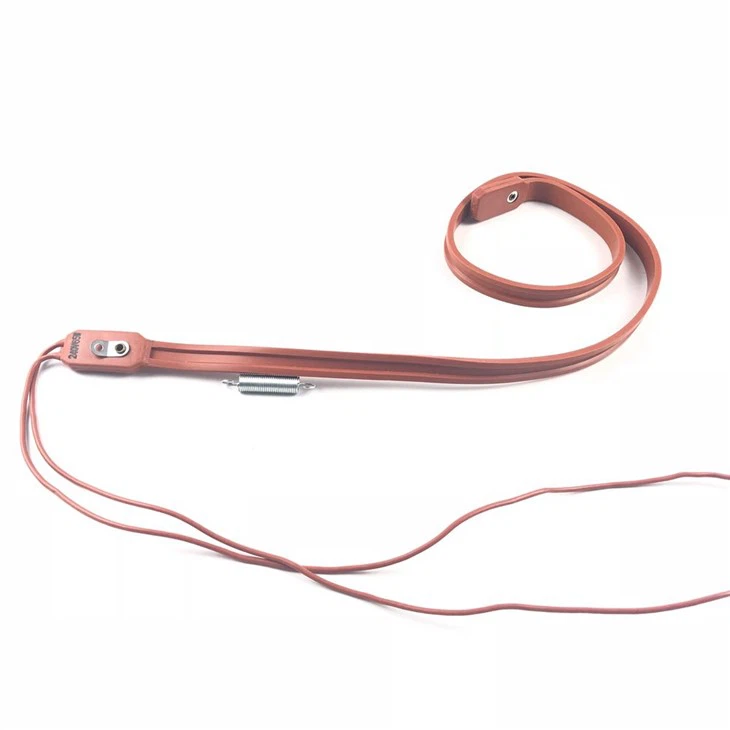
A brew belt is a type of silicone rubber heater designed specifically for brewing applications. It provides a consistent and controllable source of heat to the brewing vessel. The Brew Belt Heater Home Using is a popular option among homebrewers. These belts are flexible and can be wrapped around the brewing kettle, ensuring even heat distribution.
The heat generated by the brew belt is crucial for several stages of the brewing process. During mashing, the belt helps maintain the optimal temperature for the enzymes in the malt to break down starches into fermentable sugars. In the boiling stage, it provides the necessary heat to sterilize the wort, extract hop compounds, and promote the Maillard reaction, which contributes to the color and flavor of the beer.
Using Brew Belts at High Altitudes
The good news is that brew belts can indeed be used for making beer at high altitudes, but some adjustments are necessary.
Temperature Control
Since the boiling point of water is lower at high altitudes, brewers need to adjust their temperature settings on the brew belt accordingly. For example, if a recipe calls for a 60 - minute boil at 100°C at sea level, at an altitude where the boiling point is 95°C, the brewer should set the brew belt to maintain this lower boiling point. However, it's important to note that the lower temperature may require a longer boiling time to achieve the same level of hop extraction and sterilization.
Evaporation Management
To counteract the increased evaporation rate at high altitudes, brewers can monitor the volume of the wort closely. They can use the brew belt to maintain a gentle boil rather than a vigorous one, which can reduce excessive evaporation. Additionally, they may choose to add more water at the beginning of the brewing process to account for the expected loss.
Hop Utilization
As mentioned earlier, hop extraction is less efficient at lower boiling points. Brewers can compensate for this by using more hops or by adjusting the hop addition times. For example, adding some hops later in the boil can help preserve the volatile hop oils that contribute to aroma. The brew belt can be used to maintain a stable temperature during these hop additions to ensure consistent results.
Other Applications of Similar Heating Belts
While brew belts are designed for brewing, similar silicone heating belts have other applications. The Crankshaft Heating Belts are used in the automotive industry to pre - heat crankshafts during engine assembly or maintenance. This helps in reducing thermal stress and ensuring proper fitment.
The Rice Cooker Plate is another example of a silicone heating element. It is used in rice cookers to provide uniform heat for cooking rice, ensuring that the rice is cooked evenly throughout.
Conclusion
In conclusion, a brew belt can be a valuable tool for making beer at high altitudes. With proper adjustments to temperature, evaporation management, and hop utilization, brewers can achieve excellent results. The flexibility and controllability of brew belts make them suitable for the unique challenges presented by high - altitude brewing.
If you're interested in purchasing a brew belt for your high - altitude brewing needs or have any questions about our products, we encourage you to reach out to us for more information and to start a procurement discussion. Our team of experts is ready to assist you in finding the right solution for your brewing setup.
References
- Bamforth, C. W. (2009). Brewing: New Technologies. Springer Science & Business Media.
- Fix, G., & Fix, L. (1999). An Analysis of Brewing Techniques. Brewers Publications.
- Kunze, W. (2019). Technology Brewing and Malting. VLB Berlin.


