


Can a heat plate be used in an RV? This is a question that many RV enthusiasts often ask. As a heat plate supplier, I'm here to provide you with a comprehensive answer based on scientific facts and practical experience.
Understanding the Basics of Heat Plates
Heat plates are essential heating devices that come in various types and designs. They are commonly used for cooking, warming, and other heating applications. The basic principle behind a heat plate is the conversion of electrical energy into heat energy through a heating element. For instance, our U Sharp Tubular Electric Grill Heating Element is a high - performance heating element that can be used in different heat plate configurations. It is designed to provide uniform heat distribution, ensuring efficient cooking or heating.
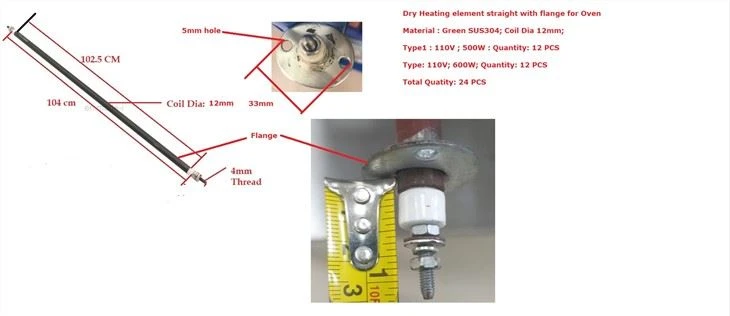
Another popular option is the Dry Heating Element Straight With Flange For Oven. This type of heating element is known for its durability and reliability. It can withstand high temperatures and is suitable for continuous use, making it a great choice for heat plates in various settings, including RVs.
Compatibility with RVs
When it comes to using a heat plate in an RV, several factors need to be considered. First and foremost is the power supply. RVs typically have a limited power capacity, usually provided by a battery or a generator. Heat plates can consume a significant amount of power, depending on their wattage. For example, a high - wattage heat plate may draw too much power from the RV's electrical system, causing issues such as blown fuses or drained batteries.
However, there are low - wattage heat plates available that are specifically designed to be compatible with RVs. These heat plates can operate within the power limits of an RV's electrical system without causing any problems. Our Factory SD - 379 Electric Tubular Heating Element For Barbecue Grill can be used to create low - wattage heat plates that are perfect for RV use. They provide enough heat for basic cooking tasks such as boiling water, frying eggs, or heating up pre - cooked meals.
Safety Considerations
Safety is of utmost importance when using any electrical device in an RV. Heat plates generate a significant amount of heat, which can pose a fire hazard if not used properly. In an RV, space is limited, and there are many flammable materials such as curtains, bedding, and furniture. Therefore, it is crucial to ensure that the heat plate is placed on a stable and non - flammable surface.
Additionally, proper ventilation is essential. Heat plates produce heat and may also generate some steam or odors during cooking. Without adequate ventilation, these can build up inside the RV, creating an uncomfortable and potentially dangerous environment. Most modern heat plates are designed with safety features such as over - heat protection and automatic shut - off. However, it is still important for RV users to follow the manufacturer's instructions carefully.
Benefits of Using a Heat Plate in an RV
Despite the challenges, there are several benefits to using a heat plate in an RV. One of the main advantages is the convenience it offers. With a heat plate, you can cook your own meals on the go, which can save you money and allow you to enjoy home - cooked food. This is especially useful when you are traveling to remote areas where dining options may be limited.
Moreover, heat plates are relatively easy to use and clean. They do not require a large amount of space, making them ideal for the compact living quarters of an RV. You can simply place the heat plate on a countertop or table and start cooking. After use, you can wipe it clean with a damp cloth.

Installation and Maintenance
Installing a heat plate in an RV is usually a straightforward process. However, it is recommended that you have some basic knowledge of electrical systems or consult a professional if you are unsure. You need to ensure that the heat plate is properly connected to the RV's electrical system and that all connections are secure.
Maintenance of a heat plate is also relatively simple. Regularly check the heating element for any signs of damage or wear. If you notice any cracks or breaks in the heating element, it should be replaced immediately. Clean the heat plate regularly to remove any food debris or grease, which can affect its performance and pose a fire hazard.
Conclusion
In conclusion, a heat plate can be used in an RV, but it is important to choose the right type and use it safely. As a heat plate supplier, we offer a range of heating elements that can be used to create heat plates suitable for RV use. Our U Sharp Tubular Electric Grill Heating Element, Dry Heating Element Straight With Flange For Oven, and Factory SD - 379 Electric Tubular Heating Element For Barbecue Grill are all high - quality products that can meet your needs.
If you are interested in purchasing heat plates or heating elements for your RV, we invite you to contact us for more information and to discuss your specific requirements. Our team of experts is ready to assist you in finding the perfect solution for your RV heating needs.
References
- Electrical Safety Standards for RVs, National Fire Protection Association
- RV Electrical Systems Handbook, RV Industry Association
- Heating Element Technology and Applications, International Association of Heating Element Manufacturers


