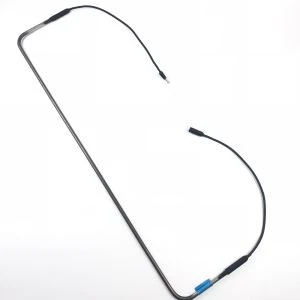
As a supplier of fin heaters, I often receive inquiries from customers about the safety of these heating devices, especially regarding whether they emit harmful substances. In this blog post, I will delve into this topic and provide a comprehensive answer based on scientific knowledge and industry insights.
Understanding Fin Heaters
Fin heaters are a type of electric heating element that consists of a heating element (usually a resistance wire) encased in a metal tube with fins attached to its outer surface. The fins serve to increase the surface area of the heater, which enhances the heat transfer efficiency and allows for more rapid heating of the surrounding air or fluid. These heaters are widely used in various applications, including industrial processes, commercial heating systems, and residential space heating.

Materials Used in Fin Heaters
The materials used in the construction of fin heaters play a crucial role in determining whether they emit harmful substances. Most fin heaters are made from high-quality materials that are known for their safety and durability.
- Heating Element: The heating element is typically made of a high-resistance alloy, such as nickel-chromium (NiCr) or iron-chromium-aluminum (FeCrAl). These alloys are stable at high temperatures and do not produce any toxic fumes or gases during normal operation.
- Metal Tube: The metal tube that encases the heating element is usually made of stainless steel or other corrosion-resistant metals. Stainless steel is a non-toxic material that is widely used in food and beverage processing, medical equipment, and other applications where safety is a concern.
- Fins: The fins are commonly made of aluminum or stainless steel. Aluminum is a lightweight and highly conductive material that is also non-toxic. Stainless steel fins, on the other hand, offer excellent corrosion resistance and durability.
Emission of Harmful Substances
Under normal operating conditions, fin heaters do not emit harmful substances. The materials used in their construction are carefully selected to ensure that they are safe and do not release any toxic chemicals or pollutants into the environment.

However, there are a few factors that could potentially lead to the emission of harmful substances:
- Overheating: If a fin heater is operated at a temperature higher than its recommended maximum, it could cause the insulation materials or other components to break down and release harmful fumes. To prevent this, it is important to follow the manufacturer's instructions and ensure that the heater is installed and used correctly.
- Contamination: If the fin heater comes into contact with certain chemicals or contaminants, it could cause the materials to react and release harmful substances. For example, if the heater is exposed to oil or grease, it could cause the insulation to degrade and release toxic fumes. To avoid this, it is important to keep the heater clean and free from any contaminants.
- Aging and Wear: Over time, the materials in a fin heater may start to degrade due to normal wear and tear. This could potentially lead to the emission of harmful substances if the heater is not properly maintained. To ensure the long-term safety and performance of the heater, it is important to follow the manufacturer's maintenance recommendations and replace any worn or damaged components as needed.
Safety Standards and Regulations
Fin heaters are subject to strict safety standards and regulations to ensure that they are safe for use in various applications. In the United States, for example, fin heaters must comply with the National Electrical Code (NEC) and other relevant standards set by organizations such as Underwriters Laboratories (UL) and the American National Standards Institute (ANSI).
These standards specify the requirements for the design, construction, and installation of fin heaters to ensure that they are safe and reliable. They also include provisions for testing and certification to ensure that the heaters meet the specified safety requirements.
Conclusion
In conclusion, fin heaters do not emit harmful substances under normal operating conditions. The materials used in their construction are carefully selected to ensure that they are safe and do not release any toxic chemicals or pollutants into the environment. However, it is important to follow the manufacturer's instructions and ensure that the heater is installed and used correctly to prevent overheating, contamination, and other potential safety hazards.

If you are in the market for a fin heater, we offer a wide range of high-quality products that are designed to meet your specific needs. Our Heating Heater Element Used For Resistive Load Banks, Finned Electric Heating Element, and Stainless Steel Finned Heating Tube are all made from the highest quality materials and are rigorously tested to ensure their safety and performance.
If you have any questions or would like to discuss your heating requirements, please do not hesitate to contact us. We are here to help you find the best solution for your needs.
References
- National Fire Protection Association. (2020). National Electrical Code (NEC).
- Underwriters Laboratories. (n.d.). UL Standards for Safety.
- American National Standards Institute. (n.d.). ANSI Standards.