


Do oil heaters dry out the air? That's a question I get asked a lot as an oil heater supplier. I'm here to break it down for you and give you the lowdown on how these heaters work and their impact on air moisture.
First off, let's talk about how oil heaters function. Oil heaters are filled with a special type of oil that's heated up by an electric element. Once the oil is hot, it transfers that heat to the metal fins of the heater. These fins then radiate the warmth into the room. The great thing about oil heaters is that they're super efficient at retaining heat. Once they're turned off, they'll keep giving off warmth for a while because the oil holds onto the heat.
Now, onto the big question: do they dry out the air? The short answer is no, not really. Unlike some other types of heaters, like fan - forced heaters or those that use combustion, oil heaters don't directly remove moisture from the air. Fan - forced heaters blow air around, and this can increase the rate of evaporation of water in the air, leading to drier conditions. Combustion heaters, such as gas heaters, produce water vapor as a by - product of burning fuel, but they can also dry out the air in other ways because of the heat and the way they operate.
Oil heaters work mainly through radiation. They don't have a mechanism that actively takes moisture out of the air. The heat they emit just warms up the existing air in the room. However, there's a bit of a catch. When you heat up air, its relative humidity decreases. Relative humidity is the amount of moisture in the air compared to the maximum amount of moisture the air can hold at a given temperature. As the temperature rises, the air can hold more moisture, so the relative humidity drops even if the actual amount of water vapor in the air stays the same.
Let's say you have a room with a certain amount of moisture in the air. When you turn on an oil heater and the temperature goes up, the air expands and can accommodate more water vapor. So, the percentage of the water vapor in the air compared to its capacity (the relative humidity) goes down. This can make the air feel drier, even though the oil heater hasn't actually removed any moisture.
You might be wondering if there are any signs that the air in your room is getting too dry. Well, there are a few tell - tale signs. You might notice that your skin feels dry and itchy, your lips get chapped, and your eyes feel irritated. You could also experience static electricity more often, like when you touch a metal object and get a little shock. Another sign is that your wooden furniture might start to crack or warp because the wood loses moisture due to the drier air.
But don't worry, there are ways to combat this. One simple solution is to use a humidifier. A humidifier adds moisture back into the air, balancing out the decrease in relative humidity caused by the heater. You can also place bowls of water around the room. As the water evaporates, it adds moisture to the air. Another option is to keep some indoor plants. Plants release water vapor through a process called transpiration, which can help increase the humidity in the room.
Now, let me tell you a bit about the benefits of using oil heaters. They're really quiet. Unlike fan - forced heaters that make a lot of noise when the fan is running, oil heaters operate silently. This makes them great for bedrooms or places where you need a quiet environment. They're also very safe. There are no open flames or high - temperature elements that can cause burns or start a fire easily. And as I mentioned earlier, they're energy - efficient because the oil retains heat well, so you don't have to keep them running all the time to maintain a warm temperature.
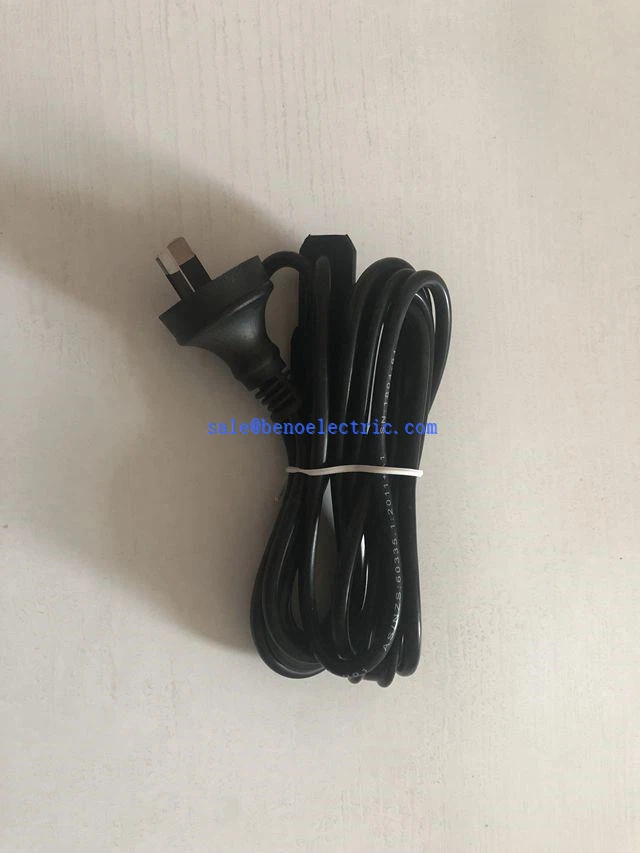

If you're into home brewing, we also have some great products for you. Check out our Home Brew Brewing Heater Heating Belt Brew Belt Element. It's perfect for keeping your brew at the right temperature. We also offer the Silicon Rubber Material Home Brew Heater, which is made of high - quality material to ensure efficient heating. And for those who are fermenting their brews, our Home Brewery Belt For Fermenting is a must - have.
If you're interested in any of our oil heaters or home - brewing heating products, don't hesitate to reach out. We're always happy to answer your questions and discuss your needs. Whether you're looking to keep your home warm and cozy or perfect your home - brewing process, we've got the right solutions for you.
In conclusion, while oil heaters don't directly dry out the air, the increase in temperature can make the air feel drier due to the change in relative humidity. But with some simple steps, like using a humidifier or having indoor plants, you can easily manage the humidity levels in your room. And with the many benefits of oil heaters, they're still a great choice for heating your space.
References
- "Heating Systems and Indoor Air Quality" - Journal of Indoor Air Research
- "Understanding Relative Humidity" - National Weather Service Publications
- "Benefits of Oil - Filled Heaters" - Consumer Heating Magazine


