


As a seasoned supplier of heat belts, I often receive inquiries from customers about how to properly turn on a heat belt. In this blog post, I'll share a detailed guide on this topic, covering everything from safety precautions to the step - by - step process of activating a heat belt.
Safety First
Before you even think about turning on a heat belt, safety should be your top priority. Heat belts can generate a significant amount of heat, and improper use can lead to burns, electrical hazards, or even fires.
First, always make sure the heat belt is in good condition. Check for any visible signs of damage such as frayed wires, cracks in the heating element, or loose connections. If you notice any of these issues, do not attempt to use the heat belt. Instead, contact a professional for repair or replacement.
Secondly, ensure that the area where you plan to use the heat belt is well - ventilated. Some heat belts may release small amounts of fumes during the initial use, especially if they are new. Good ventilation helps to dissipate these fumes and keeps the air quality in check.
Finally, keep the heat belt away from flammable materials. This includes curtains, paper, and gasoline. Place the heat belt on a stable, non - flammable surface to prevent any accidental fires.
Understanding Your Heat Belt
Different types of heat belts may have different features and operation methods. As a heat belt supplier, I offer a wide range of products, including the Stainless Steel Crank Case Heater, Silicon Rubber Heating Belt For Compressor, and Brew Heater Belt For Wine Fermentation. Each of these heat belts is designed for specific applications, and it's important to understand the instructions for your particular model.
For example, the Stainless Steel Crank Case Heater is typically used in automotive or industrial settings to pre - heat the engine oil in cold weather. The Silicon Rubber Heating Belt For Compressor is used to maintain the temperature of compressors, ensuring their efficient operation. And the Brew Heater Belt For Wine Fermentation is designed to provide a stable temperature environment for the fermentation process in winemaking.
Step - by - Step Guide to Turning On a Heat Belt
Step 1: Preparation
Before you turn on the heat belt, you need to prepare the area and the heat belt itself. First, clean the surface where you will attach the heat belt. A clean surface ensures better heat transfer and a more secure attachment.
If your heat belt comes with an adhesive backing, remove the protective film from the adhesive. Make sure the adhesive is in good condition and free from dust or debris.
Step 2: Installation
Carefully attach the heat belt to the desired surface. For belts with an adhesive backing, press firmly along the length of the belt to ensure proper adhesion. If your heat belt uses straps or clamps for installation, tighten them securely to prevent the belt from slipping.

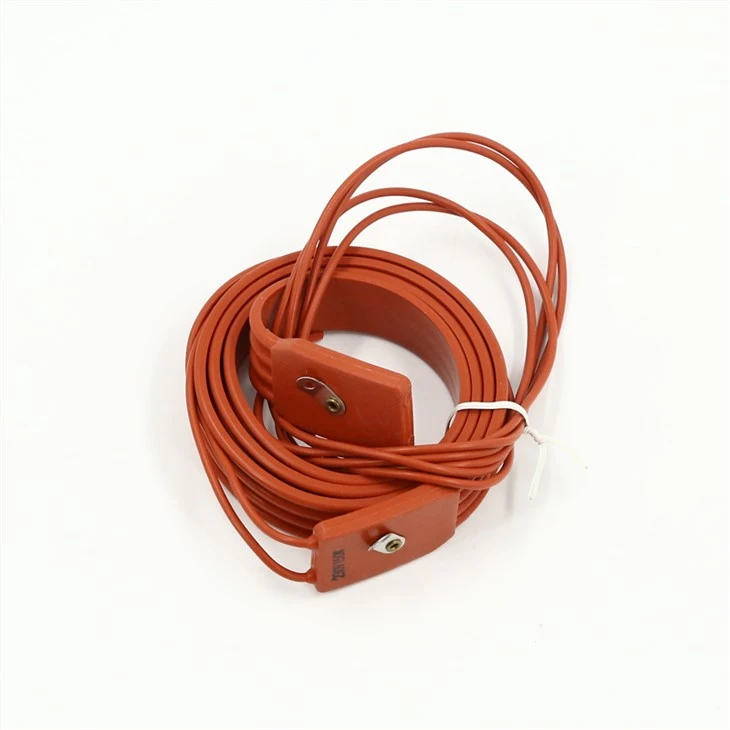
Make sure the heat belt is evenly distributed on the surface. Uneven placement can lead to uneven heating, which may affect the performance of the equipment or the process it is used for.
Step 3: Connecting to Power
Once the heat belt is properly installed, it's time to connect it to a power source. Most heat belts come with a power cord and a plug. Before plugging it in, check the voltage requirements of the heat belt. Make sure the power source matches the voltage specified on the heat belt's label.
Some heat belts may have a built - in thermostat. If so, set the desired temperature according to your needs. For example, if you are using the Brew Heater Belt For Wine Fermentation, you may need to set the temperature to around 18 - 22 degrees Celsius, which is the optimal temperature range for wine fermentation.
Step 4: Turning On the Power
After double - checking all the connections and settings, you can turn on the power. You may hear a faint humming sound as the heat belt starts to heat up. This is normal and indicates that the heating element is working.
Monitor the heat belt for the first few minutes after turning it on. Check for any signs of overheating, such as a strong burning smell or excessive smoke. If you notice any of these issues, immediately turn off the power and disconnect the heat belt.
Step 5: Monitoring and Adjustment
Once the heat belt is on, it's important to monitor the temperature. If your heat belt has a thermostat, it will automatically maintain the set temperature. However, you may still want to use a separate thermometer to verify the temperature.
If the temperature is too high or too low, you can adjust the thermostat setting accordingly. Make small adjustments and wait for a few minutes to see the effect on the temperature.
Troubleshooting
Even with proper installation and operation, you may encounter some issues with your heat belt. Here are some common problems and their solutions:
Problem 1: No Heat
- Check if the power cord is properly plugged in.
- Verify that the power source is working. You can try plugging another device into the same outlet to check.
- If the heat belt has a fuse, check if it is blown. Replace the fuse if necessary.
Problem 2: Overheating
- Check if the thermostat is set correctly. Adjust the temperature setting if needed.
- Make sure the heat belt is not covered or blocked. Proper ventilation is essential for preventing overheating.
- If the problem persists, there may be an issue with the heating element. Contact a professional for further inspection.
Conclusion
Turning on a heat belt is a relatively simple process, but it requires careful attention to safety and proper installation. By following the steps outlined in this guide, you can ensure the safe and efficient operation of your heat belt.
As a heat belt supplier, I am committed to providing high - quality products and excellent customer service. If you have any questions about our heat belts, including the Stainless Steel Crank Case Heater, Silicon Rubber Heating Belt For Compressor, and Brew Heater Belt For Wine Fermentation, or need assistance with installation and operation, please feel free to contact us for a detailed discussion and procurement negotiation.
References
- Heat Belt Installation and Operation Manuals
- Industry Standards for Heat Belt Safety and Performance


