


Hey there! As a heater pad supplier, I often get asked the question: "How often should I replace a heater pad?" Well, it's not a one-size-fits-all answer, and there are several factors to consider. In this blog, I'll break down these factors and give you some guidelines to help you figure out when it's time to swap out your heater pad.
Factors Affecting Heater Pad Lifespan
Usage Frequency
The more you use your heater pad, the faster it's likely to wear out. If you're using it daily for long periods, say, to keep a drum of liquid at a constant temperature in an industrial setting, it'll face more stress compared to a pad that's used only occasionally. For example, a heater pad in a manufacturing plant that runs 24/7 will need replacement sooner than one in a small workshop that's used just a few hours a week.
Operating Conditions
The environment in which the heater pad operates plays a huge role. Extreme temperatures, high humidity, and exposure to chemicals can all take a toll on the pad. If your heater pad is constantly exposed to harsh chemicals in a chemical processing plant, the insulation and heating elements can deteriorate faster. Similarly, in a very humid environment, moisture can seep into the pad and cause corrosion or short circuits.
Quality of the Heater Pad
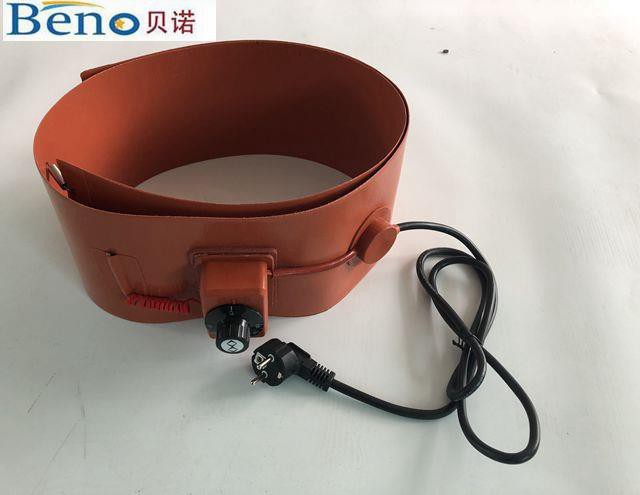
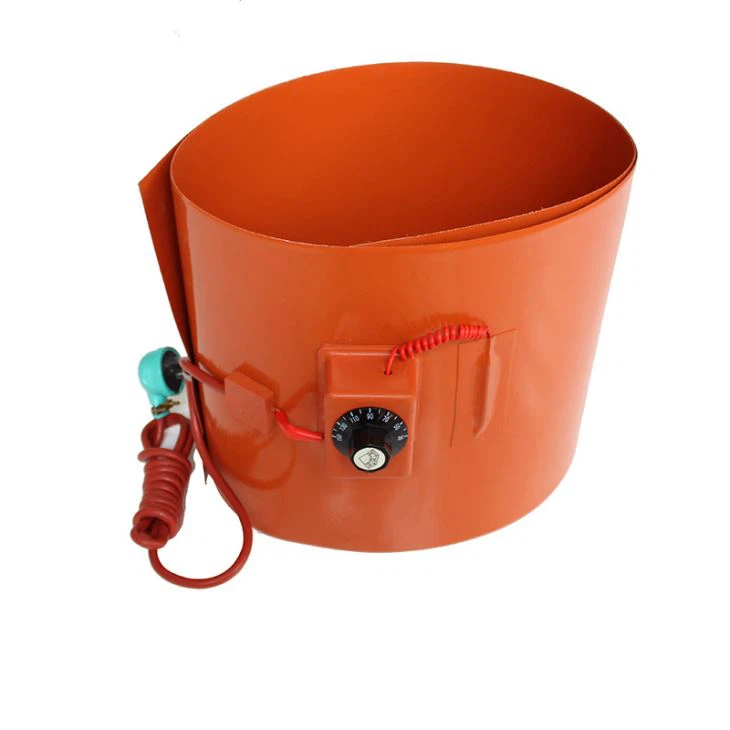
Not all heater pads are created equal. Higher-quality pads are usually made with better materials and more advanced manufacturing techniques, which means they'll last longer. When you invest in a top-notch heater pad, you're likely to get more years of service out of it. For instance, our Flexible Size Drum Heater is built with high-quality silicone rubber, which offers excellent durability and heat resistance.
General Guidelines for Replacement
Residential Use
For residential heater pads, like those used for keeping a small pet warm or for a personal foot warmer, you can expect them to last anywhere from 3 to 5 years with normal use. If you notice any signs of fraying, overheating, or if the pad isn't getting as warm as it used to, it's probably time to replace it.
Commercial and Industrial Use
In commercial and industrial settings, the replacement time frame can vary widely. A well-maintained heater pad in a relatively mild operating environment might last 5 to 10 years. However, in more demanding conditions, such as a chemical plant or a food processing facility, you might need to replace it every 2 to 5 years.
Let's take a look at some specific types of heater pads and their expected lifespans:
- Silicon mica plate heater: These are commonly used in various industrial applications. With proper care and normal use, a Silicon mica plate heater can last around 5 to 7 years. But if it's exposed to high temperatures and heavy loads on a regular basis, you might need to replace it sooner.
- Pail Heater Drum Heater: These are designed to heat pails and drums. In a standard industrial setting, a Pail Heater Drum Heater can last about 4 to 6 years. However, if it's used in a very rough environment with frequent on-off cycles, the lifespan could be reduced.
Signs That It's Time to Replace Your Heater Pad
Physical Damage
If you see any visible signs of damage, such as cracks, cuts, or burns on the heater pad, it's a clear indication that it needs to be replaced. Physical damage can compromise the safety and performance of the pad.
Inconsistent Heating
If the heater pad is heating unevenly or not reaching the desired temperature, it could mean that the heating elements are failing. This not only affects the efficiency of the pad but can also be a safety hazard.
Electrical Issues
Strange noises, sparks, or a burning smell coming from the heater pad are serious warning signs. These could indicate electrical problems, such as short circuits or insulation breakdown, and you should stop using the pad immediately and replace it.
Tips to Extend the Lifespan of Your Heater Pad
Proper Installation
Make sure the heater pad is installed correctly according to the manufacturer's instructions. Improper installation can lead to overheating and premature failure.
Regular Maintenance
Inspect the heater pad regularly for any signs of wear and tear. Clean it gently to remove any dirt or debris that could affect its performance. If you notice any minor issues, address them promptly.
Use in the Right Environment
Try to use the heater pad in an environment that's within its specified operating conditions. Avoid exposing it to extreme temperatures, humidity, or chemicals if possible.
Conclusion
So, there you have it! The question of how often to replace a heater pad depends on several factors, including usage frequency, operating conditions, and the quality of the pad. By keeping an eye out for the signs of wear and tear and following the tips to extend its lifespan, you can get the most out of your heater pad.
If you're in the market for a new heater pad or have any questions about our products, don't hesitate to reach out. We're here to help you find the right heater pad for your needs and ensure you get the best value for your money. Whether it's a Flexible Size Drum Heater, a Silicon mica plate heater, or a Pail Heater Drum Heater, we've got you covered. Let's start a conversation and find the perfect solution for you.
References
- General knowledge of heater pad technology and industry standards.
- Manufacturer's guidelines for heater pad usage and maintenance.


