Hey there! As an HVACR supplier, I've seen firsthand how crucial it is to keep sensitive equipment in data centers running smoothly. In this blog, I'm gonna break down how an HVACR system plays a vital role in protecting that gear.
First off, let's talk about what an HVACR system is. HVACR stands for Heating, Ventilation, Air Conditioning, and Refrigeration. It's like the unsung hero of data centers, quietly working behind the scenes to create the perfect environment for all that high - tech equipment.
Temperature Control
Data center equipment generates a ton of heat. Servers, storage devices, and networking gear are constantly chugging away, and all that processing power results in a significant amount of thermal energy. If the temperature in the data center gets too high, it can spell disaster for the sensitive components.
For example, high temperatures can cause semiconductor materials in processors to expand. This expansion can lead to misalignments in the circuits, resulting in errors and system crashes. Over time, it can even cause permanent damage to the chips.
That's where the cooling part of the HVACR system comes in. We use a combination of air - cooled and water - cooled systems to remove heat from the data center. Air - cooled systems use fans to blow cool air over the equipment and then exhaust the warm air outside. Water - cooled systems, on the other hand, use chilled water to absorb heat from the equipment. The water is then circulated through a cooling tower, where it releases the heat into the atmosphere.
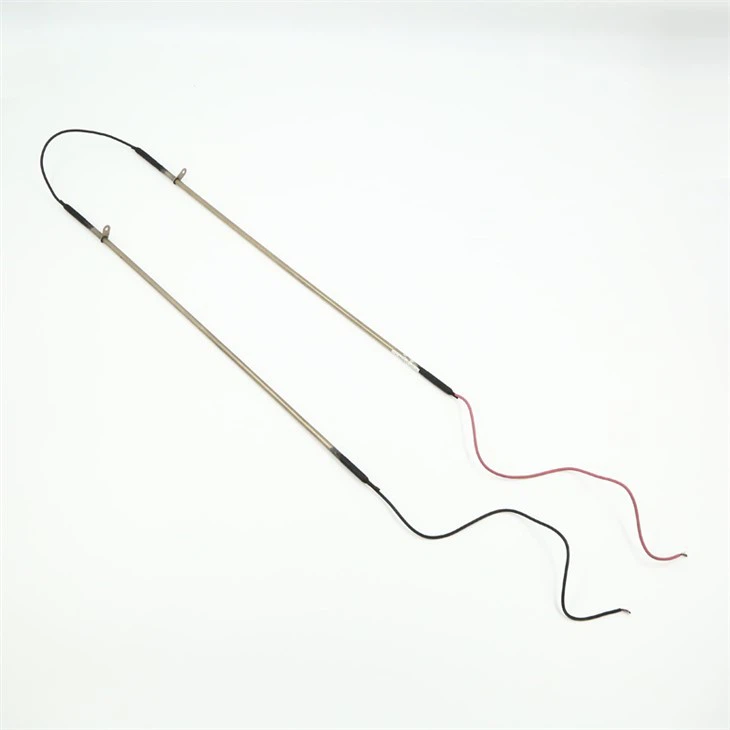
Our SS304 Material Defrost Heater For Fridge can also be used in some specialized HVACR systems. In certain cases where there's a risk of ice formation on cooling coils, this heater can be used to defrost them, ensuring the efficient operation of the cooling system.
Humidity Regulation
It's not just about temperature; humidity also plays a key role in protecting data center equipment. If the humidity is too low, static electricity can build up. Static discharges can fry sensitive electronic components, causing them to fail. On the flip side, if the humidity is too high, moisture can condense on the equipment, leading to corrosion and short circuits.
An HVACR system helps maintain the right level of humidity in the data center. It can add moisture to the air when it's too dry or remove moisture when it's too humid. Dehumidification is often achieved by cooling the air, which causes the moisture to condense out. The condensed water is then drained away.
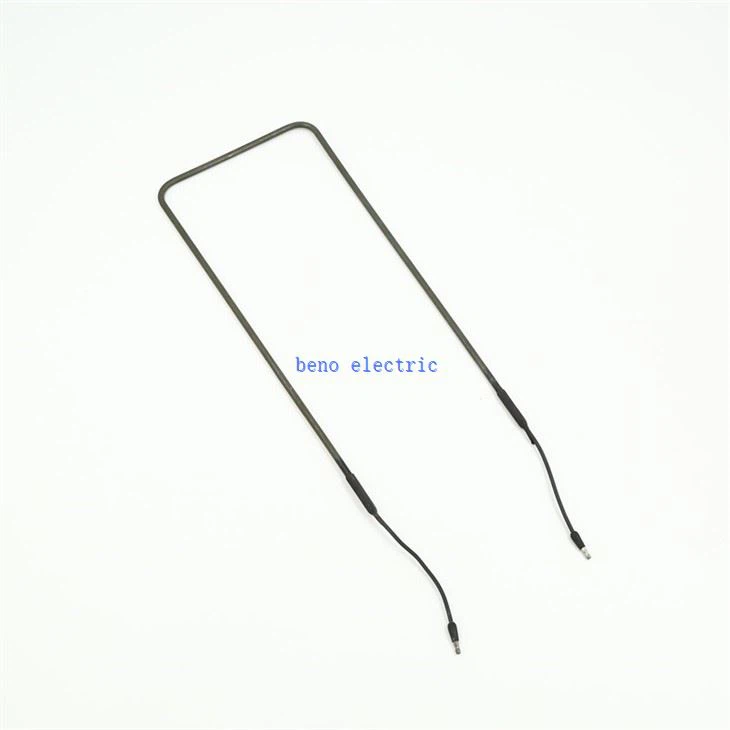
Our Defrosting Heating Element For Refrigerator can be part of a system that helps regulate humidity. In some cases, the defrosting process can also be used to control the moisture content in the air around the cooling equipment.
Air Filtration
Data centers are filled with tiny particles like dust, pollen, and smoke. These particles can settle on the equipment and cause problems. Dust can clog air vents, reducing the airflow and causing the equipment to overheat. It can also get inside the components and interfere with their operation.
The HVACR system includes air filters that trap these particles. These filters come in different grades, depending on the level of filtration required. High - efficiency particulate air (HEPA) filters can remove up to 99.97% of particles as small as 0.3 microns. By keeping the air clean, the HVACR system helps protect the sensitive equipment from damage.
Ventilation
Proper ventilation is essential in a data center. It ensures that there's a constant supply of fresh air and that the stale air, which may be filled with heat and contaminants, is removed. Ventilation also helps maintain a uniform temperature and humidity throughout the data center.
The HVACR system uses fans and ducts to circulate the air. It can be designed to create a positive or negative pressure environment. In a positive pressure system, fresh air is forced into the data center, pushing the stale air out through the exhaust vents. In a negative pressure system, the stale air is sucked out, and fresh air is drawn in through the intake vents.
Our Tube Diameter 6.5MM Defrost Heater can be integrated into ventilation systems in some cases. For example, it can be used to prevent ice formation on ventilation ducts, ensuring that the airflow remains unobstructed.
Redundancy and Monitoring
In a data center, downtime is extremely costly. That's why HVACR systems are designed with redundancy in mind. There are usually multiple cooling units, fans, and pumps so that if one fails, the others can still keep the data center running.
Monitoring is also a crucial part of the HVACR system. We use sensors to measure temperature, humidity, airflow, and other parameters. These sensors send data to a control system, which can adjust the operation of the HVACR system in real - time. If there's a problem, such as a sudden increase in temperature or a drop in airflow, the control system can alert the operators so that they can take action before it's too late.
Conclusion
In conclusion, an HVACR system is essential for protecting sensitive equipment in a data center. It controls temperature, regulates humidity, filters the air, provides ventilation, and includes redundancy and monitoring features. Without a properly functioning HVACR system, data centers would be at risk of equipment failures, system crashes, and costly downtime.
If you're in charge of a data center or are involved in the procurement of HVACR equipment, I'd love to talk to you about how our products can meet your needs. Whether you need a custom - designed system or just replacement parts, we've got you covered. Reach out to us to start a conversation about your HVACR requirements.
References
- ASHRAE (American Society of Heating, Refrigerating and Air - Conditioning Engineers). Data Center Energy Efficiency Standards.
- Schneider Electric. White Paper on Data Center HVAC Systems.
- Uptime Institute. Research on Data Center Environmental Controls.