


Hey there! As someone who runs a heat plate supply business, I get asked all the time, “How do I choose the right heat plate for my needs?” It's a great question, and that's why I'm here to break it down for you.
Understanding Your Basics
First things first, let's talk about what you're planning to use the heat plate for. Are you a hobbyist doing some light DIY projects like soldering small electronic components? Or maybe you're a professional in a lab setting, running chemical reactions that require precise temperature control? Knowing the end - use is crucial.
For example, if you're into DIY soldering at home, you won't need a super high - end, heavy - duty heat plate. You can go for a smaller, more affordable option that provides a steady, low - to - medium heat. On the flip side, if you're in a lab, accuracy and durability are key. You'll want a heat plate that can maintain a specific temperature for long periods without any fluctuations.
Size Matters
The size of the heat plate is another important factor. Think about the size of the items you'll be heating. If you're working with large beakers or multiple small containers at once, you'll need a bigger heat plate. A small heat plate just won't cut it, as it won't be able to cover all your items evenly.
Conversely, if you're only heating small vials or single components, a large heat plate is overkill and will likely waste energy. It's all about finding the right balance between the size of what you're heating and the size of the heat plate.

Temperature Range
One of the most critical aspects of choosing a heat plate is the temperature range it can offer. Different applications require different temperature levels. For simple melting of wax at home, you might only need a heat plate that goes up to around 100 - 150 degrees Celsius.
But in a scientific laboratory, you could be dealing with substances that need to be heated to several hundred degrees. Check the temperature range specifications carefully. And if you need precise control, look for a heat plate with a digital temperature display and controls. That way, you can set the exact temperature you need and keep an eye on it.
Heating Speed
How quickly you need the heat can also influence your choice. Some heat plates are designed to heat up very rapidly, which is great if you're in a hurry or if your process requires a quick heat - up phase. However, these high - speed heat plates might consume more energy.
On the other hand, slower - heating heat plates are more energy - efficient and can provide a more gentle, consistent heat. Consider your workflow and how much time you have for heating. If speed is of the essence, go for a faster - heating model, but if energy conservation is a priority, a slower option might be better.
Durability and Build Quality
A heat plate is an investment, so you want it to last. Look for heat plates made from high - quality materials. Stainless steel surfaces are a great choice as they're resistant to corrosion, easy to clean, and can withstand high temperatures.
Check the build of the base and the frame as well. A sturdy, well - constructed heat plate is less likely to break down or malfunction over time. Read reviews from other users to get an idea of how well a particular heat plate holds up under regular use.
Additional Features
Some heat plates come with extra features that can add a lot of value. For instance, a stir function can be incredibly useful if you're working with liquids that need to be mixed while heating. This ensures that the temperature is evenly distributed throughout the liquid.
Safety features are also important. Look for heat plates with over - temperature protection, which will automatically shut off the heat if it gets too hot. This can prevent damage to your samples and reduce the risk of fire.
Our Product Range
Now, let me tell you a bit about the heat plates we offer. We've got a wide variety of options to suit different needs. Whether you're a beginner or a seasoned professional, we've got something for you.
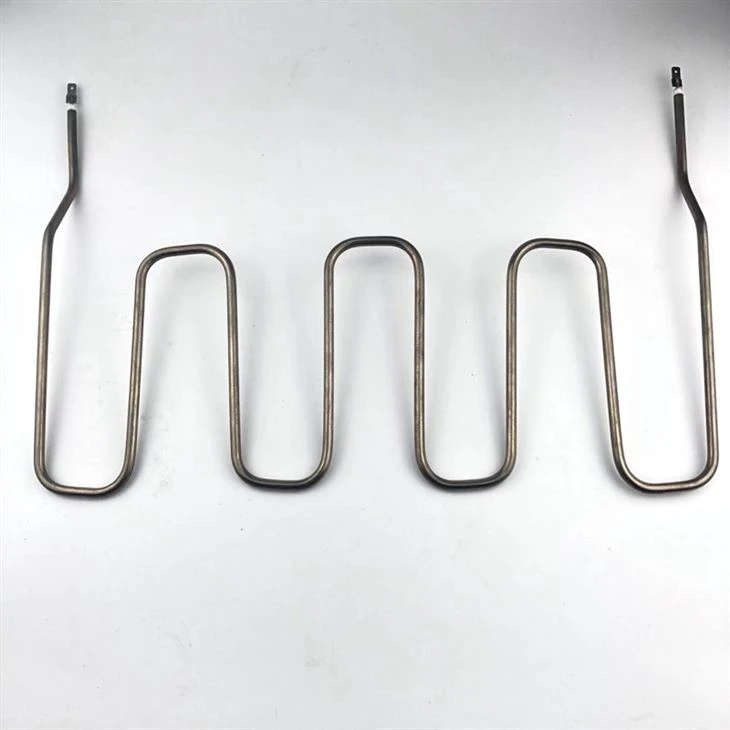
If you're interested in the components that make our heat plates work so well, we also offer high - quality heating elements. You can take a look at our Heating Tube Coil Element, which is designed for efficient heat transfer. And if you're in the market for a hot - selling replacement heating element, check out our Amazon Hot Selling PRYSM Brand Replace Heating Element 318255006. We also have the 6.5mm Diameter Oven Heating Element, which is perfect for certain types of applications.
Making the Decision
Once you've considered all these factors, it's time to make a decision. Write down your requirements, compare different models, and see which one fits the bill. Don't be afraid to reach out for more information. We're here to help you make the best choice.
Let's Talk!
If you're ready to take the next step and purchase a heat plate, or if you've got more questions about our products, we'd love to hear from you. Whether you're a small - scale user or a large - scale business, we can work with you to find the right heat plate and heating elements for your needs. Contact us to start the procurement conversation and get the best solutions for your heating requirements.
References
- Laboratory Equipment Handbook: This handbook provided in - depth information on various laboratory heat plates and their features.
- Online DIY Forums: Many hobbyists shared their experiences with different heat plates for DIY projects, which helped in understanding the consumer perspective.


