


When it comes to keeping your space warm and cozy during the colder months, an oil heater can be an excellent choice. As a trusted oil heater supplier, I understand the importance of selecting the right heater to meet your specific needs. In this blog post, I'll share some valuable insights on how to choose the perfect oil heater for your home or workplace.
Understanding the Basics of Oil Heaters
Before delving into the selection process, it's essential to understand how oil heaters work. Oil heaters are filled with a special type of oil that is heated by an electric element. Once the oil is heated, it retains the heat and radiates it into the surrounding area. This process provides a consistent and comfortable heat source that is both efficient and safe.
One of the key advantages of oil heaters is their portability. They are typically lightweight and easy to move from one room to another, allowing you to heat specific areas as needed. Additionally, oil heaters are silent in operation, making them ideal for use in bedrooms, offices, and other quiet spaces.
Factors to Consider When Choosing an Oil Heater
Heating Capacity
The heating capacity of an oil heater is measured in watts. The higher the wattage, the more heat the heater can produce. When choosing an oil heater, it's important to consider the size of the room you want to heat. As a general rule of thumb, you'll need approximately 10 watts of heating power per square foot of space. For example, if you have a 100-square-foot room, you'll need an oil heater with a wattage of at least 1000 watts.
Thermostat Control
A thermostat is an essential feature of any oil heater. It allows you to set the desired temperature and automatically adjusts the heater's output to maintain that temperature. This not only ensures a comfortable environment but also helps to save energy and reduce your electricity bills. Look for an oil heater with a precise thermostat that allows you to set the temperature within a narrow range.
Safety Features
Safety should always be a top priority when choosing an oil heater. Look for heaters with built-in safety features such as overheat protection and tip-over switches. Overheat protection automatically shuts off the heater if it reaches a dangerous temperature, while tip-over switches turn off the heater if it is accidentally knocked over. These features help to prevent fires and other accidents.
Mobility and Portability
As mentioned earlier, one of the main advantages of oil heaters is their portability. Look for heaters with built-in handles and wheels, which make them easy to move from one room to another. Additionally, consider the weight of the heater, as you'll want to choose one that is lightweight enough to carry comfortably.
Noise Level
If you plan to use your oil heater in a bedroom or other quiet space, noise level is an important consideration. Look for heaters that operate silently or with minimal noise. Some oil heaters are designed with special features to reduce noise, such as insulated housing and quiet fans.
Energy Efficiency
Energy efficiency is another important factor to consider when choosing an oil heater. Look for heaters with high energy efficiency ratings, which indicate that they use less energy to produce the same amount of heat. Additionally, consider the heater's standby power consumption, as some heaters continue to use a small amount of energy even when they are turned off.
Types of Oil Heaters
There are several types of oil heaters available on the market, each with its own unique features and benefits. Here are some of the most common types:
Convection Oil Heaters
Convection oil heaters work by heating the air around them and allowing it to circulate throughout the room. They are typically the most common type of oil heater and are suitable for use in most rooms. Convection oil heaters are available in a variety of sizes and wattages, making it easy to find one that meets your specific needs.
Radiant Oil Heaters
Radiant oil heaters work by emitting infrared radiation, which heats objects and people directly. They are ideal for use in small spaces or for spot heating. Radiant oil heaters are often more energy-efficient than convection oil heaters, as they only heat the area where they are needed.
Fan-Forced Oil Heaters
Fan-forced oil heaters work by using a fan to blow hot air into the room. They are typically more powerful than convection oil heaters and can heat a larger area more quickly. Fan-forced oil heaters are ideal for use in large rooms or for heating multiple rooms at once.
Additional Features to Consider
In addition to the factors mentioned above, there are several other features that you may want to consider when choosing an oil heater. Here are some examples:
Adjustable Feet
Adjustable feet allow you to level the heater on uneven surfaces, ensuring that it operates safely and efficiently.
Timer Function
A timer function allows you to set the heater to turn on and off at specific times. This is a convenient feature if you want to have the heater warm up your room before you arrive home or go to bed.
Remote Control
A remote control allows you to operate the heater from a distance, making it easy to adjust the temperature and settings without having to get up from your seat.
Multiple Heat Settings
Multiple heat settings allow you to choose the level of heat that is most comfortable for you. This is a useful feature if you want to use the heater in different rooms or at different times of the day.
Recommended Oil Heaters
As an oil heater supplier, I have extensive experience with a wide range of oil heaters. Here are some of my top recommendations:
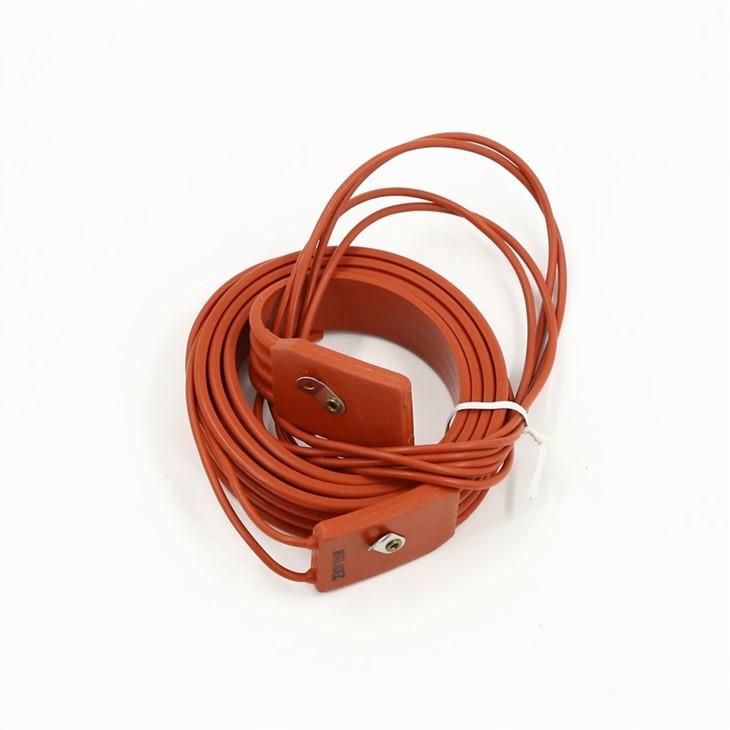
- Homebrew Brew Fermenting Band Heater Heating Belt: This heater is specifically designed for use in homebrewing applications. It features a flexible silicone heating belt that can be wrapped around fermenters and other containers to maintain a consistent temperature.
- Silicon Rubber Heating Tape: This heating tape is made from high-quality silicone rubber and is ideal for use in a variety of applications, including industrial heating, food processing, and medical equipment. It is available in a range of widths and lengths to suit your specific needs.
- OEM Design Compressor Part Crankcase Heater: This heater is designed for use in compressors and other industrial equipment. It features a custom-designed heating element that provides efficient and reliable heating.
Conclusion
Choosing the right oil heater can make a big difference in your comfort and energy costs during the colder months. By considering the factors mentioned in this blog post, you can select an oil heater that meets your specific needs and provides a safe, efficient, and comfortable heating solution.
If you have any questions or need further assistance in choosing an oil heater, please don't hesitate to contact us. We are a leading oil heater supplier and are committed to providing our customers with the highest quality products and services. We look forward to helping you find the perfect oil heater for your home or workplace.

References
- Consumer Reports. (Year). Oil Heaters Buying Guide. Retrieved from [Website URL]
- Energy.gov. (Year). Energy-Efficient Heating Options. Retrieved from [Website URL]
- Manufacturer's Product Manuals. (Year). Oil Heaters. Retrieved from [Website URL]


