Do hot plates emit radiation? This is a question that often pops up in the minds of consumers when considering the safety and functionality of hot plates. As a supplier of hot plates, I'm here to shed some light on this topic and provide you with a comprehensive understanding of the radiation associated with hot plates.
First and foremost, it's important to clarify what we mean by "radiation." In the context of hot plates, the term typically refers to two types of radiation: electromagnetic radiation and thermal radiation.
Electromagnetic radiation encompasses a wide range of wavelengths, from radio waves to gamma rays. However, when it comes to hot plates, the primary concern is usually the low - frequency electromagnetic fields (EMFs) they may generate. Most hot plates operate using electricity, and the flow of electric current through the heating element creates an electromagnetic field around it.
The strength of the electromagnetic field produced by a hot plate depends on several factors, including the power rating of the hot plate, the design of the heating element, and the distance from the source. In general, the closer you are to the hot plate, the stronger the electromagnetic field you'll be exposed to. However, numerous scientific studies have been conducted to assess the potential health risks associated with low - frequency EMFs, and the consensus among the scientific community is that the levels of EMFs emitted by common household appliances, including hot plates, are well below the safety limits set by international standards.
For instance, the International Commission on Non - Ionizing Radiation Protection (ICNIRP) has established guidelines for exposure to EMFs. These guidelines are based on extensive research and are designed to protect the public from any possible adverse health effects. Most hot plates on the market today are designed and manufactured in compliance with these safety standards, ensuring that the electromagnetic radiation they emit is within acceptable limits.
On the other hand, thermal radiation is a natural consequence of the heating process. All objects with a temperature above absolute zero emit thermal radiation, which is a form of electromagnetic radiation in the infrared spectrum. When a hot plate is turned on, its heating element heats up and begins to emit thermal radiation. This is how the hot plate transfers heat to the cookware placed on it.
Thermal radiation is a safe and efficient way of transferring heat. In fact, it's the same principle that the sun uses to heat the Earth. The amount of thermal radiation emitted by a hot plate depends on its temperature; the higher the temperature, the more thermal radiation it will emit. This is why a hot plate set to a high temperature will feel warmer from a distance compared to one set to a lower temperature.
As a hot plate supplier, we take the issue of radiation seriously. Our products are rigorously tested to ensure that they meet or exceed all relevant safety standards. We use high - quality materials and advanced manufacturing techniques to minimize the electromagnetic radiation emitted by our hot plates while maximizing their heating efficiency.
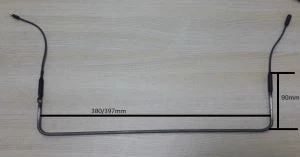
In addition to hot plates, we also offer a range of related heating elements. For example, we provide Refrigerator Defrost Heating Element, which are essential for keeping refrigerators running smoothly. These heating elements are designed to melt the frost that accumulates inside the refrigerator, preventing it from affecting the cooling performance.
Our Stainless Steel Defrosting Heating Element are another popular product. Made from high - quality stainless steel, these heating elements are durable and resistant to corrosion. They are suitable for a variety of applications, including defrosting in refrigerators and other cooling systems.


We also have Air Cooler Heater Part Defrost Heater Element in our product lineup. These elements play a crucial role in the defrosting process of air coolers, ensuring that they operate efficiently even in cold environments.
When it comes to purchasing hot plates or any of our heating elements, you can rest assured that you're getting a product that is not only safe but also of the highest quality. Our team of experts is constantly working on improving our products, incorporating the latest technologies and materials to provide you with the best possible solutions.
If you're in the market for a hot plate or any of our other heating elements, we encourage you to get in touch with us. Whether you're a home cook looking for a reliable hot plate for your kitchen or a business in need of a large - scale supply of heating elements, we can meet your requirements. Our sales team is ready to assist you with any questions you may have, provide detailed product information, and offer competitive pricing.
In conclusion, while hot plates do emit both electromagnetic and thermal radiation, the levels are generally safe and well within the established safety standards. As a trusted hot plate supplier, we are committed to providing you with products that are not only efficient but also safe for your use. So, don't hesitate to reach out to us for all your heating element needs.
References
- International Commission on Non - Ionizing Radiation Protection (ICNIRP). Guidelines for limiting exposure to time - varying electric, magnetic, and electromagnetic fields (up to 300 GHz). Health Phys. 2010;99(6):843 - 907.
- World Health Organization. Electromagnetic fields and public health: extremely low - frequency fields. Fact sheet No. 322. 2007.