


Hey there! As a fin heater supplier, I know how crucial it is to ensure that these heaters are functioning properly. Testing the functionality of a fin heater is not just a formality; it's a step that guarantees the heater will perform as expected in real - world applications. In this blog, I'll walk you through the steps on how to test the functionality of a fin heater.
Pre - test Preparations
Before you start testing, it's essential to gather all the necessary tools and equipment. You'll need a multimeter to measure electrical resistance and voltage, a thermometer to check the temperature, and safety gear like gloves and goggles. Safety first, folks! Make sure the heater is disconnected from the power source before you start any tests. This is a no - brainer, but you'd be surprised how many people forget this basic step.
Visual Inspection
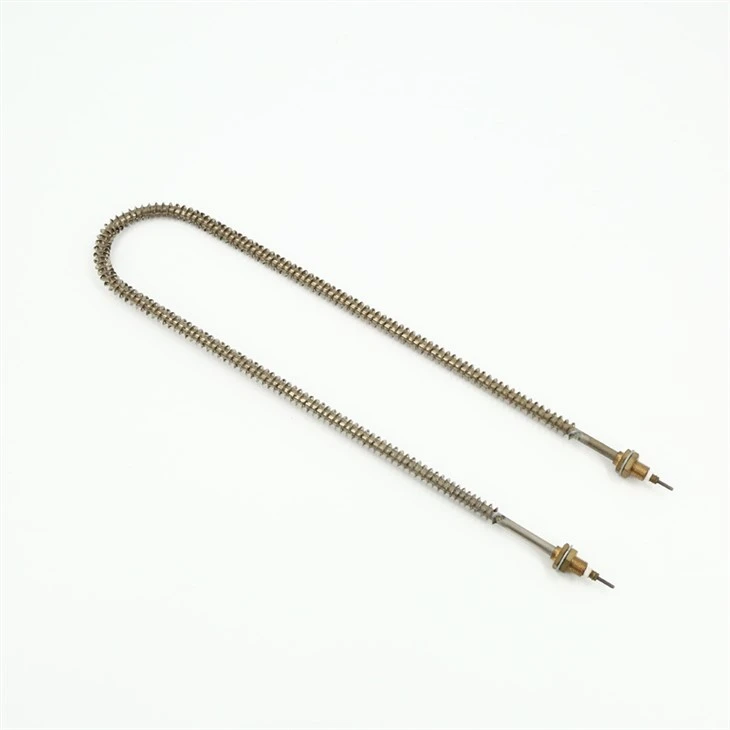
The first step in testing a fin heater is a visual inspection. Look for any obvious signs of damage such as bent fins, cracks in the heating element, or loose connections. Bent fins can reduce the heater's efficiency as they disrupt the airflow around the heater. Cracks in the heating element can lead to short - circuits or uneven heating. Loose connections can cause intermittent power supply and overheating. If you notice any of these issues, it's best to replace the damaged parts or the entire heater if necessary.
Electrical Resistance Test
Once you've completed the visual inspection, it's time to test the electrical resistance of the fin heater. Connect the multimeter to the terminals of the heater. Set the multimeter to the resistance (ohms) setting. A properly functioning fin heater should have a specific resistance value, which can usually be found in the manufacturer's specifications. If the resistance is significantly higher or lower than the specified value, it could indicate a problem with the heating element. For example, a high resistance might mean that the heating element is burned out, while a low resistance could suggest a short - circuit.
Voltage Test
After testing the resistance, it's important to check the voltage supplied to the fin heater. Reconnect the heater to the power source and use the multimeter to measure the voltage across the terminals. The voltage should match the rated voltage of the heater. If the voltage is too low, the heater may not reach its full heating capacity. On the other hand, if the voltage is too high, it can damage the heating element and other components of the heater. Make sure to take multiple readings at different times to ensure a consistent voltage supply.
Temperature Test
The next step is to test the temperature output of the fin heater. Place a thermometer near the fins of the heater and turn on the power. Let the heater run for a few minutes to reach a stable temperature. The temperature should increase steadily and reach the desired level as specified by the manufacturer. If the temperature doesn't rise or if it rises too slowly, there could be an issue with the heating element or the airflow around the heater. You can also check for temperature uniformity across the fins. Use multiple thermometers placed at different locations on the fins. Any significant temperature differences could indicate a problem with the heater's design or installation.
Airflow Test
Fin heaters rely on proper airflow to transfer heat effectively. To test the airflow, you can use a simple anemometer to measure the airspeed around the fins. The airspeed should be within the recommended range for the heater. Low airspeed can result in overheating of the heating element, while high airspeed can reduce the heater's efficiency. You can also check for any blockages in the airflow path. Make sure there are no obstructions near the fins or in the ventilation system.

Long - term Testing
In addition to the above tests, it's a good idea to conduct long - term testing of the fin heater. Run the heater continuously for a period of time, say 24 to 48 hours, and monitor its performance. Check for any signs of overheating, strange noises, or fluctuations in temperature or voltage. Long - term testing can help you identify any potential issues that may not be apparent during short - term tests.
Using Our High - quality Fin Heaters
At our company, we offer a wide range of fin heaters that are designed to meet the highest standards of quality and performance. Our Heat Heater Heating Producer Maker Solution Components are made from top - notch materials and are rigorously tested before leaving the factory. We also have Heating Element With Fins that are specifically designed to provide efficient and uniform heating. And if you're looking for a Fin Heating Element For Air Heater, we've got you covered.
Contact Us for Your Fin Heater Needs
If you're in the market for fin heaters or need more information on how to test their functionality, don't hesitate to reach out. We're here to help you find the right fin heater for your application and ensure that it performs at its best. Whether you're a small business or a large industrial facility, we can provide you with the solutions you need. So, let's get in touch and start a conversation about your fin heater requirements.
References
- Manufacturer's manuals for fin heaters
- Electrical testing guides for heating equipment


