


Hey there! I'm a heat pipe supplier, and I know how crucial it is to test the performance of heat pipes. In this blog, I'll share some practical ways to do just that.
First off, let's talk about why testing heat pipe performance is so important. Heat pipes are used in a wide range of applications, from electronics cooling to industrial heat transfer. If a heat pipe doesn't perform well, it can lead to overheating, reduced efficiency, and even equipment failure. So, by testing the performance of heat pipes, we can ensure that they meet the requirements of our customers and work effectively in their intended applications.
One of the most common ways to test the performance of a heat pipe is by measuring its thermal resistance. Thermal resistance is a measure of how well a heat pipe can transfer heat from one end to the other. A lower thermal resistance means that the heat pipe is more efficient at transferring heat. To measure the thermal resistance of a heat pipe, we typically use a thermal test setup that consists of a heat source, a heat sink, and a temperature sensor. The heat source is used to apply a known amount of heat to one end of the heat pipe, while the heat sink is used to dissipate the heat from the other end. The temperature sensor is used to measure the temperature difference between the two ends of the heat pipe. By knowing the amount of heat applied and the temperature difference, we can calculate the thermal resistance of the heat pipe using the following formula:
Thermal Resistance (R) = Temperature Difference (ΔT) / Heat Input (Q)
Another important parameter to test in a heat pipe is its maximum heat transfer capacity. The maximum heat transfer capacity is the maximum amount of heat that a heat pipe can transfer from one end to the other without experiencing dry-out or other performance issues. To test the maximum heat transfer capacity of a heat pipe, we typically increase the heat input to the heat pipe until it reaches its limit. We can then measure the temperature difference between the two ends of the heat pipe and calculate the maximum heat transfer capacity using the same formula as above.
In addition to thermal resistance and maximum heat transfer capacity, we also need to test the reliability and durability of heat pipes. Heat pipes are often exposed to harsh environments, such as high temperatures, high pressures, and vibrations. To ensure that heat pipes can withstand these conditions, we typically subject them to a series of reliability and durability tests. These tests may include thermal cycling, vibration testing, and pressure testing.
Thermal cycling is a test that involves repeatedly heating and cooling the heat pipe to simulate the temperature changes that it may experience in its intended application. By subjecting the heat pipe to thermal cycling, we can check for any signs of degradation or failure, such as leaks or changes in thermal performance.
Vibration testing is a test that involves subjecting the heat pipe to vibrations to simulate the mechanical stresses that it may experience in its intended application. By subjecting the heat pipe to vibration testing, we can check for any signs of damage or failure, such as loose joints or broken components.
Pressure testing is a test that involves subjecting the heat pipe to high pressures to simulate the pressure changes that it may experience in its intended application. By subjecting the heat pipe to pressure testing, we can check for any signs of leaks or failure, such as burst pipes or damaged seals.
Now, let's talk about some of the tools and equipment that we use to test the performance of heat pipes. One of the most important tools is a thermal imaging camera. A thermal imaging camera allows us to visualize the temperature distribution on the surface of the heat pipe. By analyzing the temperature distribution, we can identify any hot spots or areas of poor heat transfer.
Another important tool is a data acquisition system. A data acquisition system allows us to collect and analyze data from the temperature sensors and other instruments used in the thermal test setup. By analyzing the data, we can calculate the thermal resistance, maximum heat transfer capacity, and other performance parameters of the heat pipe.
In addition to these tools, we also use a variety of other equipment, such as heat sources, heat sinks, and temperature sensors. The type of equipment that we use depends on the specific requirements of the heat pipe and the test setup.

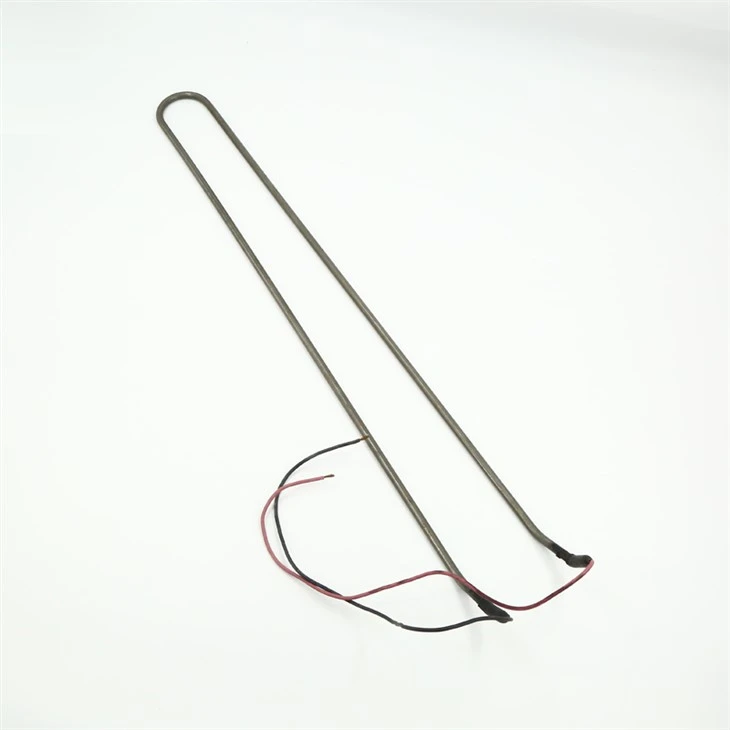
As a heat pipe supplier, we offer a wide range of heat pipes for different applications. Some of our popular products include Cold Storage Freezer Heating Element Defrost Heating Tube, Defrost Heater For Water Pan, and Defrost Heater For Refrigerated Container. These heat pipes are designed to provide efficient heat transfer and reliable performance in their respective applications.
If you're in the market for high-quality heat pipes, we'd love to hear from you. Whether you need a custom-designed heat pipe for a specific application or a standard heat pipe for a general purpose, we can help. Our team of experts can work with you to understand your requirements and recommend the best heat pipe solution for your needs. So, don't hesitate to contact us to discuss your heat pipe needs and start a procurement negotiation.
References:
- Incropera, F. P., & DeWitt, D. P. (2002). Fundamentals of heat and mass transfer. John Wiley & Sons.
- Kakaç, S., & Pramuanjaroenkij, A. (2005). Heat pipes: science and technology. Taylor & Francis.


