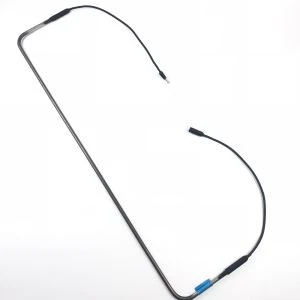
Hey there! You know, headaches can be a real pain in the neck - literally and figuratively. I've been in the heater pad business for a while, and I've seen how a good heater pad can work wonders for headache relief. So, I thought I'd share some tips on how to use a heater pad to get rid of those pesky headaches.
Understanding Headaches and Heater Pads
First off, let's talk about why a heater pad can be so helpful for headaches. There are different types of headaches, like tension headaches, migraines, and sinus headaches. For tension headaches, which are often caused by stress and muscle tightness in the neck and shoulders, heat can work like magic. Heat helps to relax those tense muscles, increasing blood flow to the area. When blood flow improves, it can carry away the waste products that might be causing pain and discomfort.
Migraines are a bit more complex. While they're not just about muscle tightness, the warmth from a heater pad can still have a soothing effect. It can distract you from the pain and also relax the surrounding muscles, which might be in spasm during a migraine.
Sinus headaches, which are usually due to congestion in the sinuses, can also benefit from heat. The heat can help to loosen the mucus in the sinuses, making it easier to drain and reducing the pressure that causes the headache.
Now, I'm an expert in heater pads, and I can tell you that not all heater pads are created equal. We've got some great options at our store, like the Silicon Rubber Heating Pad. It's flexible, can provide consistent heat, and is really comfortable to use.
Choosing the Right Heater Pad
When you're looking for a heater pad for headache relief, there are a few things to consider.
Temperature Control: You want a heater pad that has adjustable temperature settings. Different people have different tolerance levels for heat, and the type of headache you have might also affect the ideal temperature. For mild tension headaches, a lower temperature setting might be enough, while a more severe migraine or sinus headache might require a slightly higher temperature. Our Silicon Rubber Heating Pad has multiple temperature settings, so you can find the perfect one for you.
Size and Shape: The size and shape of the heater pad matter. For headaches, a smaller, more flexible pad is often better. It can be easily placed around the neck, on the forehead, or even over the sinuses. A larger pad might be too bulky and not as effective for targeting the specific areas that are causing the headache.
Safety Features: Safety is always a top priority. Look for a heater pad that has an automatic shut - off feature. This is great because if you fall asleep while using the pad (which can happen when you're trying to relax and get rid of a headache), it won't overheat and cause any problems.
How to Use a Heater Pad for Headache Relief
Once you've got the right heater pad, here's how to use it effectively.


For Tension Headaches
- First, plug in your heater pad and set it to a comfortable temperature. Start with a lower setting and increase it if needed.
- Sit or lie down in a comfortable position. You can place the heater pad around the base of your neck. This is where a lot of the tension builds up. Make sure the pad is snug but not too tight.
- Close your eyes and relax. You can try some deep breathing exercises while the heat is working on your muscles. Breathe in slowly through your nose, hold it for a few seconds, and then exhale slowly through your mouth. Do this for about 10 - 15 minutes at a time. You can repeat this a few times a day if your headache persists.
For Migraines
- Lie down in a dark, quiet room. Migraines are often sensitive to light and noise, so creating a calm environment is important.
- Place the heater pad on your forehead or the back of your neck. The warmth can help to soothe the pain and relax the muscles.
- Try to relax your whole body. You can also use a cold compress on your temples at the same time as the heater pad if that feels better for you. Keep the heater pad on for about 15 - 20 minutes, and then take a break. You can repeat this process as needed.
For Sinus Headaches
- Sit upright in a comfortable chair. Place the heater pad over your sinuses, which are located on your forehead, cheeks, and around your nose.
- The heat will help to open up the sinuses and reduce the pressure. You can also try gently massaging the area around your sinuses while the heater pad is on.
- Leave the heater pad on for about 10 - 15 minutes. You can do this a few times a day to help relieve the congestion and pain.
Other Tips for Using Heater Pads
- Don't use the heater pad for too long at a time. Overheating can cause burns or other skin problems. Always follow the manufacturer's instructions on how long to use the pad.
- If you have sensitive skin, you might want to place a thin cloth between your skin and the heater pad to prevent any irritation.
- Make sure the heater pad is clean. You can follow the cleaning instructions in the user manual to keep it in good condition.
Our Heater Pad Offerings
We're not just any heater pad supplier. We've got a wide range of high - quality heater pads that are perfect for headache relief. For example, our Silicon Rubber Heater Sell To Australia is very popular. It's made of high - quality materials and is designed to provide long - lasting heat.
We also have Oil Heater options. These heaters are known for their even heat distribution, which is great for headache relief. They can keep the temperature consistent for a long time, so you don't have to worry about the heat fading away quickly.
Contact Us for Purchase
If you're interested in our heater pads for headache relief or have any questions about which one is right for you, we'd love to hear from you. Reach out to us to start a conversation about your needs, and we can help you find the perfect heater pad.
References
- "Heat Therapy for Pain Relief" by American Physical Therapy Association
- "Managing Migraines and Headaches" by Mayo Clinic
- "Sinus Headache Relief Tips" by WebMD