Hey there! I'm a supplier of Heat Film, and today I wanna chat about a pretty interesting topic: Is heat film affected by magnetic fields?
First off, let's get a basic understanding of what heat film is. Heat film, like the ones you can check out Heat Film, is a nifty heating solution. It's used in a bunch of different applications, from defrosting in refrigerators to providing warmth in various industrial settings. There's also the Poly - PI film heater, which is a specific type of heat film commonly used for refrigerator defrosting.
Now, onto magnetic fields. Magnetic fields are all around us. They're generated by things like the Earth's core, electrical appliances, and even some natural phenomena. So, the question is, do these magnetic fields have any impact on heat film?
To answer that, we need to look at how heat film works. Heat film typically operates based on the principle of electrical resistance. When an electric current passes through the film, the resistance of the material causes it to heat up. This is similar to how a Heating Wire For cermicaling works.
In theory, magnetic fields can interact with electric currents. According to the laws of electromagnetism, a magnetic field can exert a force on a moving charged particle. In an electrical conductor like heat film, the moving charged particles are the electrons. So, it's reasonable to think that a magnetic field could affect the flow of electrons in the heat film.
However, the actual impact depends on several factors. One of the most important factors is the strength of the magnetic field. Weak magnetic fields, like the ones we're exposed to in our daily lives, usually have a negligible effect on heat film. The Earth's magnetic field, for example, is so weak that it won't cause any noticeable change in the performance of heat film.
On the other hand, strong magnetic fields can potentially cause problems. In industrial settings where there are large electromagnets or high - power electrical equipment, the magnetic fields can be quite strong. These strong magnetic fields can disrupt the flow of electrons in the heat film, leading to uneven heating or even a decrease in the overall heating efficiency.
Another factor is the orientation of the heat film relative to the magnetic field. If the heat film is placed perpendicular to the magnetic field lines, the force exerted on the electrons will be at its maximum. This could potentially cause more significant disruptions compared to when the heat film is placed parallel to the magnetic field lines.
Let's take a closer look at some real - world scenarios. In a household refrigerator, the magnetic fields are usually very weak. The Poly - PI film heater used for defrosting will work just fine without being affected by the normal magnetic fields present in the kitchen. But in a large industrial heating system, where there might be powerful motors or generators nearby, the heat film could face some challenges.
We've done some tests in our lab to see how our heat film performs in the presence of magnetic fields. We set up different magnetic field strengths and orientations and monitored the temperature distribution and heating efficiency of the heat film. The results showed that for magnetic fields with strengths similar to those in normal household environments, there was no significant change in the performance of the heat film. But when we increased the magnetic field strength to levels comparable to those in some industrial settings, we did notice some variations.
So, what does this mean for you as a potential buyer of heat film? Well, if you're using heat film in a normal household or office environment, you probably don't have to worry too much about magnetic fields. But if you're planning to use it in an industrial setting where there are strong magnetic fields, it's important to take this into account. You might need to consult with us to find the best solution for your specific needs.
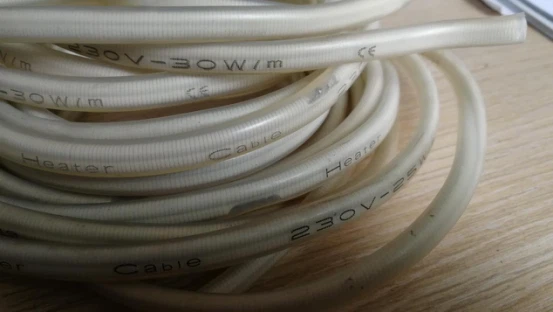

We've developed some heat films that are more resistant to magnetic fields. These films are designed with special materials and structures that can minimize the impact of magnetic fields on the flow of electrons. If you're in an environment with strong magnetic fields, these might be the right choice for you.
In conclusion, while magnetic fields can potentially affect heat film, the actual impact depends on the strength of the magnetic field and the orientation of the film. For most common applications, heat film will work just fine without being affected by magnetic fields. But in certain industrial settings, it's something to consider.
If you're interested in learning more about our heat film products or have any questions regarding their performance in the presence of magnetic fields, don't hesitate to reach out. We're here to help you find the best heating solution for your needs. Whether you're a small business owner looking for a reliable heating solution or an engineer working on a large - scale project, we've got the expertise and the products to meet your requirements. So, let's start a conversation and see how we can work together to get you the right heat film.
References
- Electromagnetism textbooks for the basic principles of magnetic field - electric current interaction.
- In - house test reports on the performance of heat film in magnetic fields.