In the dynamic world of Heating, Ventilation, Air Conditioning, and Refrigeration (HVACR), variable - speed systems have emerged as a revolutionary technology. As an experienced HVACR supplier, I've witnessed firsthand the numerous benefits these systems bring to both residential and commercial settings. This blog post will delve into the advantages of variable - speed HVACR systems, highlighting why they are a game - changer in the industry.
Energy Efficiency
One of the most significant benefits of variable - speed HVACR systems is their exceptional energy efficiency. Traditional single - speed systems operate at full capacity or shut off completely. This on - off cycling leads to energy waste, as the system consumes a large amount of power every time it starts up. In contrast, variable - speed systems can adjust their speed according to the actual heating or cooling needs of the space.
For example, during mild weather conditions, the system can run at a lower speed, using less energy while still maintaining a comfortable temperature. This continuous operation at lower speeds reduces the frequency of start - stop cycles, which in turn saves energy. According to industry studies, variable - speed HVACR systems can save up to 30% on energy costs compared to single - speed systems. This not only benefits the end - user by reducing their utility bills but also contributes to a more sustainable environment by lowering energy consumption.
Improved Comfort
Variable - speed HVACR systems provide a higher level of comfort compared to their single - speed counterparts. Single - speed systems often create temperature fluctuations as they turn on and off. When the system is running at full capacity, it can over - cool or over - heat the space, leading to uncomfortable hot or cold spots.
On the other hand, variable - speed systems can maintain a more consistent temperature throughout the space. By adjusting the speed based on the demand, they can provide a steady stream of conditioned air, eliminating temperature swings. Additionally, these systems can also better control humidity levels. They can run at a lower speed for longer periods, allowing more time for moisture removal from the air, which is especially beneficial in humid climates.
Extended Equipment Lifespan
The on - off cycling of single - speed HVACR systems puts a lot of stress on the equipment. Every time the system starts up, it experiences a high - load current, which can cause wear and tear on the components over time. This can lead to premature failure of the system and costly repairs or replacements.
Variable - speed systems, however, operate more smoothly. Since they can adjust their speed gradually, the stress on the components is significantly reduced. The compressor, which is one of the most critical and expensive parts of an HVACR system, experiences less wear and tear. As a result, variable - speed systems tend to have a longer lifespan compared to single - speed systems. This means less frequent replacements and lower long - term costs for the end - user.
Quiet Operation
Noise can be a major concern for many HVACR users, especially in residential settings. Single - speed systems often produce a loud noise when they start up and shut off. The sudden change in the operation of the system creates vibrations and noise that can be disruptive.
Variable - speed systems are much quieter in operation. They run at lower speeds most of the time, which results in less noise and vibration. This makes them a great choice for bedrooms, offices, and other areas where a quiet environment is desired. The reduced noise level also enhances the overall user experience, allowing people to enjoy a more peaceful and comfortable living or working space.
Enhanced Air Quality
Air quality is an important aspect of any indoor environment. Variable - speed HVACR systems can contribute to better air quality in several ways. Firstly, since they run continuously at lower speeds, they can filter the air more effectively. The longer the air passes through the air filter, the more contaminants, such as dust, pollen, and allergens, can be removed.
Secondly, variable - speed systems can better control humidity levels. High humidity can promote the growth of mold and mildew, which can have a negative impact on air quality and human health. By maintaining optimal humidity levels, these systems can prevent the growth of these harmful microorganisms and improve the overall air quality.
Flexibility and Adaptability
Variable - speed HVACR systems offer greater flexibility and adaptability compared to single - speed systems. They can easily adjust to changes in the heating or cooling load of a space. For example, in a commercial building, the occupancy and heat generated by equipment can vary throughout the day. A variable - speed system can respond to these changes by adjusting its speed accordingly, ensuring that the space remains comfortable at all times.

In addition, variable - speed systems can be integrated with other building management systems. This allows for more precise control of the HVACR system, enabling users to optimize energy consumption and comfort based on specific requirements.
Cost - Effectiveness in the Long Run
Although variable - speed HVACR systems may have a higher upfront cost compared to single - speed systems, they are more cost - effective in the long run. The energy savings, extended equipment lifespan, and reduced maintenance costs can offset the initial investment over time.

For businesses, the energy savings can result in significant cost reductions, especially for large - scale commercial buildings that have high energy demands. For homeowners, the lower utility bills and fewer repair expenses can also lead to long - term savings.
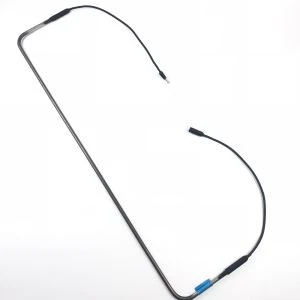
As an HVACR supplier, we offer a wide range of high - quality variable - speed HVACR systems. In addition, we also provide related products such as Defrost Heater For Fridge, HVACR Electric Thermal Low Energy Heat Heater Heating Tube Pipe Tubes, and Prysm Freezer Replace Defrost Heater 242044113. These products are designed to work seamlessly with our variable - speed systems, ensuring optimal performance and reliability.
If you are interested in upgrading your HVACR system to a variable - speed one or need more information about our products, we encourage you to contact us for a detailed discussion. Our team of experts is ready to assist you in finding the best solution for your specific needs.

References
- ASHRAE Handbook of HVAC Systems and Equipment.
- Energy Star - Residential Heating and Cooling Equipment.
- Various industry reports on HVACR technology advancements.