


Hey there! I'm a supplier of heat plates, and today I wanna have an open and honest chat about the disadvantages of using a heat plate. Yeah, I know it might seem a bit odd for a supplier to talk about the downsides, but I believe in being transparent. So, let's dive right in.
Energy Consumption
One of the biggest drawbacks of heat plates is their energy consumption. Heat plates typically use a significant amount of electricity to generate heat. Unlike some other heating appliances that are more energy - efficient, heat plates often have to work continuously to maintain a stable temperature.

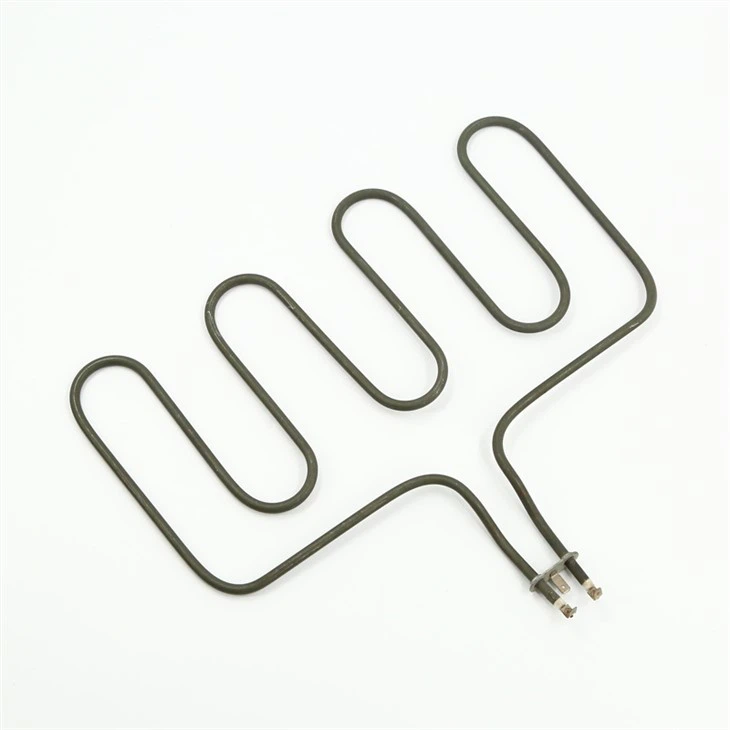
Let's say you're using a heat plate to cook a big meal. You turn it on, and it starts drawing power right away. And as long as you want it to stay hot, it keeps gobbling up electricity. This can lead to higher energy bills, especially if you use the heat plate frequently. For example, if you're someone who loves to cook multiple times a day on a heat plate, you'll notice a spike in your monthly electricity costs.
In comparison, some modern induction cooktops are much more energy - efficient. They heat up the cookware directly, rather than heating a large surface area like a heat plate. So, if energy conservation and cost - savings are your priorities, a heat plate might not be the best choice. You might want to check out more energy - efficient options like the Electric Oven Heating Element which can offer better performance with less energy consumption.
Limited Temperature Control
Another disadvantage is the limited temperature control. Most heat plates come with a basic set of temperature settings, usually just a few levels like low, medium, and high. These settings are often not very precise. You might set it to medium, thinking it'll be just right for your delicate sauce, but it could end up getting too hot and burning your food.
Unlike high - end ovens or cooktops that can be set to a specific temperature with great accuracy, heat plates lack that finesse. This lack of precise temperature control can be a real pain, especially when you're trying to cook something that requires a very specific heat level, like melting chocolate or making a custard.
If you're into baking or cooking complex dishes that demand exact temperatures, you'd be better off with an appliance that offers more precise control, such as the Oven Resistance Heater Resistance For Oven Grill. It can give you the accuracy you need to create perfect dishes every time.
Uneven Heating
Heat plates often struggle with providing even heating across the cooking surface. The edges of the heat plate might be cooler than the center, which can lead to unevenly cooked food. For instance, if you're frying a large pancake on a heat plate, the middle might be overcooked while the edges are still undercooked.
This uneven heating is due to the way heat plates are designed. They usually have a single heating element in the center, and the heat has to radiate outwards. As a result, the heat distribution isn't uniform. This can be a real problem, especially when you're cooking multiple items at once or trying to achieve a consistent result.
In contrast, some advanced ovens use multiple heating elements and fans to circulate the hot air evenly, ensuring that every part of the food gets cooked to perfection. If you're looking for more even heating, you might consider the Heating Element For Oven Part which is designed to provide more consistent heat distribution.
Safety Concerns
Safety is also a major issue when it comes to heat plates. The surface of a heat plate gets extremely hot during use, and it can stay hot for a long time after you turn it off. This poses a significant risk of burns, especially if there are children or pets around.
There's also a risk of fire if the heat plate is left unattended or if flammable materials come into contact with it. For example, if a dish towel accidentally falls on a hot heat plate, it could catch fire. Unlike some modern appliances that have built - in safety features like automatic shut - off, heat plates usually don't have these safeguards.
Limited Cooking Options
Heat plates are pretty limited in terms of the types of cooking they can handle. They're mainly good for basic tasks like frying, boiling, and simmering. If you want to bake, roast, or broil, a heat plate won't cut it.
For example, you can't make a crispy roasted chicken or a fluffy cake on a heat plate. You're restricted to one - dimensional cooking methods. If you're someone who loves to experiment with different cooking techniques and cuisines, you'll quickly find that a heat plate doesn't offer the versatility you need.
Maintenance and Durability
Maintaining a heat plate can be a hassle. The heating element can wear out over time, and if it breaks, it can be difficult and expensive to replace. Also, the surface of the heat plate can get scratched and stained easily, especially if you use abrasive cleaning tools.
The durability of heat plates is often not as good as some other cooking appliances. They might start to malfunction after a few years of regular use, which means you'll have to invest in a new one sooner than you'd like.
Conclusion
So, as you can see, while heat plates have their uses, they also come with a fair share of disadvantages. Energy consumption, limited temperature control, uneven heating, safety concerns, limited cooking options, and maintenance issues are all factors to consider before making a purchase.
But hey, if you're still interested in heat plates, we're here to help. We have a wide range of high - quality heat plates that are designed to minimize some of these drawbacks. And if you have any questions or want to discuss your specific needs, feel free to reach out to us. We're always happy to have a chat and help you find the best solution for your cooking requirements.
References
- General knowledge about cooking appliances and their performance.
- Industry reports on energy consumption of different heating devices.


