Defrosting a frozen chicken breast properly is crucial for both food safety and maintaining its quality. As a defrosting supplier, I've encountered various defrosting methods, each with its own pros and cons. In this blog, I'll explore the best ways to defrost a frozen chicken breast and introduce some of our high - quality defrosting products that can make the process easier and more efficient.
The Importance of Proper Defrosting
Before diving into the defrosting methods, it's essential to understand why proper defrosting matters. When chicken breast is frozen, ice crystals form within the meat. If defrosted too quickly or improperly, these ice crystals can rupture the cell walls of the meat, leading to moisture loss and a less tender texture. Moreover, improper defrosting can create a breeding ground for harmful bacteria, posing a risk to food safety.
Traditional Defrosting Methods
Refrigerator Defrosting
One of the most common and safest ways to defrost a frozen chicken breast is in the refrigerator. Place the frozen chicken breast in a shallow dish to catch any drips and put it on a bottom shelf. This slow defrosting method allows the chicken to thaw evenly, minimizing the risk of bacterial growth.
The main advantage of refrigerator defrosting is its safety. The low temperature of the refrigerator (usually between 0 - 5°C) keeps bacteria from multiplying rapidly. However, it is a time - consuming process. A single chicken breast may take 6 - 8 hours or even longer to defrost completely. This method is suitable when you plan your meals in advance.
Cold Water Defrosting
If you need to defrost the chicken breast more quickly, the cold - water method is an option. Seal the frozen chicken breast in a leak - proof plastic bag and submerge it in cold water. Change the water every 30 minutes to ensure that it stays cold.
Cold - water defrosting is faster than refrigerator defrosting, with a chicken breast typically taking 1 - 2 hours to thaw. But it requires more attention as you need to keep changing the water. Also, if the plastic bag is not properly sealed, water can seep in and affect the quality of the chicken.
Microwave Defrosting
The microwave can defrost a chicken breast in a matter of minutes. Use the defrost setting on your microwave and follow the manufacturer's instructions. It's important to rotate the chicken breast during the defrosting process to ensure even thawing.
However, microwave defrosting has its drawbacks. It can easily overcook parts of the chicken, especially if the power is too high or the defrosting time is not accurately set. This uneven defrosting can lead to a less - than - ideal texture and may also create hot spots where bacteria can survive.

Our Defrosting Solutions
As a defrosting supplier, we offer innovative products that can enhance the defrosting process.
Flexible Aluminum Foil Defrost Heater Heating Pad Element
Our Flexible Aluminum Foil Defrost Heater Heating Pad Element is a revolutionary product for defrosting. This flexible heating pad can be wrapped around the frozen chicken breast. It provides a gentle and even heat, which speeds up the defrosting process without overheating the meat.
The aluminum foil material is highly conductive, ensuring efficient heat transfer. It also conforms to the shape of the chicken breast, allowing for maximum contact and faster defrosting. This product is safe to use and can significantly reduce the defrosting time compared to traditional methods.
Drain Belt
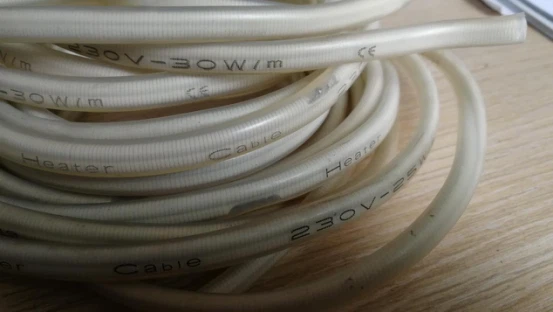
The Drain Belt is another useful tool in the defrosting process. While it is primarily designed for drain pipe line heating, it can also be used in a creative way for defrosting chicken breasts. By placing the frozen chicken breast on a properly insulated surface with the Drain Belt beneath it, the gentle heat generated can aid in defrosting.
This method provides a slow and steady heat source, similar to the refrigerator method but faster. It helps to maintain the quality of the chicken breast while reducing the overall defrosting time.
Defrosting Aluminum Aluminium Foil Heater Element
Our Defrosting Aluminum Aluminium Foil Heater Element is specifically engineered for defrosting tasks. It can be placed in direct contact with the frozen chicken breast. The heater element distributes heat evenly across the surface of the meat, ensuring a consistent and quick defrost.
This product is energy - efficient and easy to use. It can be a great addition to your kitchen, especially if you frequently cook with frozen chicken breasts.
Choosing the Best Method for You
The best defrosting method depends on your needs and circumstances. If you have plenty of time and want the safest option, refrigerator defrosting is the way to go. For a quicker solution when you're short on time, our defrosting products like the Flexible Aluminum Foil Defrost Heater Heating Pad Element can be a game - changer.
When choosing a defrosting method, also consider the quantity of chicken breasts you need to defrost. If you're defrosting multiple chicken breasts, some methods may be more suitable than others. For example, using our defrosting products can be more efficient for multiple items as they can be used simultaneously.
Conclusion
Proper defrosting of a frozen chicken breast is essential for food safety and quality. Traditional methods like refrigerator, cold - water, and microwave defrosting have their own advantages and limitations. As a defrosting supplier, we offer innovative products such as the Flexible Aluminum Foil Defrost Heater Heating Pad Element, Drain Belt, and Defrosting Aluminum Aluminium Foil Heater Element that can enhance the defrosting process.
If you're interested in improving your defrosting experience and ensuring the best quality of your chicken breasts, we invite you to contact us for more information and to discuss your procurement needs. Our team of experts is ready to assist you in finding the most suitable defrosting solutions for your kitchen or food - related business.
References
- USDA Food Safety and Inspection Service. "Safe Defrosting Methods".
- Food Science Journal. "Impact of Defrosting Methods on Meat Quality".