Hey there! As an HVACR supplier, I've seen my fair share of issues with HVACR systems. One problem that often goes unnoticed until it causes some serious headaches is a clogged drain pan. In this blog, I'm gonna talk about the signs of a clogged drain pan in an HVACR system, so you can catch it early and avoid some major problems.
Water Pooling Around the Unit
One of the most obvious signs of a clogged drain pan is water pooling around the HVACR unit. If you notice a puddle of water under or around your system, it's a pretty good indication that the drain pan isn't draining properly. This can happen for a few reasons. Maybe there's a blockage in the drain line that's preventing the water from flowing out, or perhaps the drain pan itself is full of debris and can't hold any more water.
When water pools around the unit, it can cause all sorts of problems. It can damage the flooring or the structure where the unit is installed. Over time, the standing water can also lead to mold and mildew growth, which is not only bad for the system but can also be a health hazard for you and your family. So, if you see water pooling, it's time to take a closer look at the drain pan.
Musty Odors
Another sign of a clogged drain pan is a musty odor coming from the HVACR system. When water sits in the drain pan for too long because it can't drain properly, it creates a perfect environment for mold and mildew to grow. These fungi produce a distinct musty smell that can be quite unpleasant.

If you notice a musty odor when your HVACR system is running, it's likely that there's a problem with the drain pan. Mold and mildew not only smell bad but can also release spores into the air. These spores can cause respiratory problems, allergies, and other health issues, especially for people with weakened immune systems. So, don't ignore that musty smell – it could be a sign of a serious problem.
Reduced Airflow
A clogged drain pan can also affect the airflow in your HVACR system. When the drain pan is clogged, water can back up into the system and cause damage to the components. This can include the blower motor, the evaporator coil, or other parts that are crucial for proper airflow.
If you notice that the airflow from your vents is weaker than usual, it could be due to a clogged drain pan. You might also feel that the system is working harder to cool or heat your space, which can lead to higher energy bills. Reduced airflow can also cause uneven temperature distribution in your home, with some rooms being warmer or cooler than others.
Ice Buildup on the Evaporator Coil
Ice buildup on the evaporator coil is another sign that there could be a problem with the drain pan. When the drain pan is clogged, the excess moisture in the system can freeze on the evaporator coil. This ice buildup can prevent the coil from functioning properly, reducing the system's efficiency.
If you see ice on the evaporator coil, it's important to address the issue as soon as possible. The ice can cause damage to the coil and other components of the system. It can also lead to further blockages in the drain line as the ice melts and refreezes. To fix the problem, you'll need to clear the clog in the drain pan and allow the ice to melt safely.
Higher Humidity Levels
A clogged drain pan can also lead to higher humidity levels in your home. The HVACR system is designed to remove moisture from the air as it cools or heats your space. When the drain pan is clogged, the system can't drain the moisture properly, and this excess moisture stays in the air.
Higher humidity levels can make your home feel sticky and uncomfortable. It can also cause damage to your furniture, electronics, and other belongings. In addition, high humidity can create a breeding ground for dust mites and other pests, which can be a nuisance and a health risk. If you notice that your home feels more humid than usual, it could be due to a clogged drain pan.
How to Fix a Clogged Drain Pan
If you suspect that your drain pan is clogged, there are a few things you can do to fix the problem. First, you'll need to turn off the HVACR system to prevent any further damage. Then, locate the drain pan. It's usually located near the evaporator coil.
Check the drain line for any blockages. You can use a wet/dry vacuum to suck out any debris or water that might be causing the clog. If the clog is stubborn, you can try using a pipe cleaner or a small snake to clear it. Make sure to clean the drain pan itself as well. Remove any dirt, debris, or standing water from the pan.
If you're not comfortable doing this yourself, it's best to call a professional HVACR technician. They have the tools and expertise to properly diagnose and fix the problem. They can also perform a thorough inspection of your system to make sure there are no other issues.
Our HVACR Products to Help
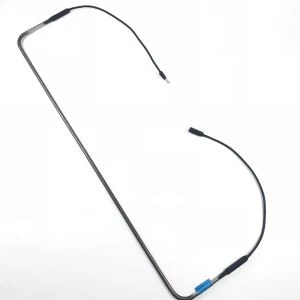
At our company, we offer a range of products that can help prevent and solve issues related to HVACR systems. For example, we have high - quality Tubular Defrost Element Refrigerator Greenhouse Grate Gas Heater Resistance With Thermostat that can ensure proper defrosting, which is important for the overall function of the system and can prevent problems with the drain pan.
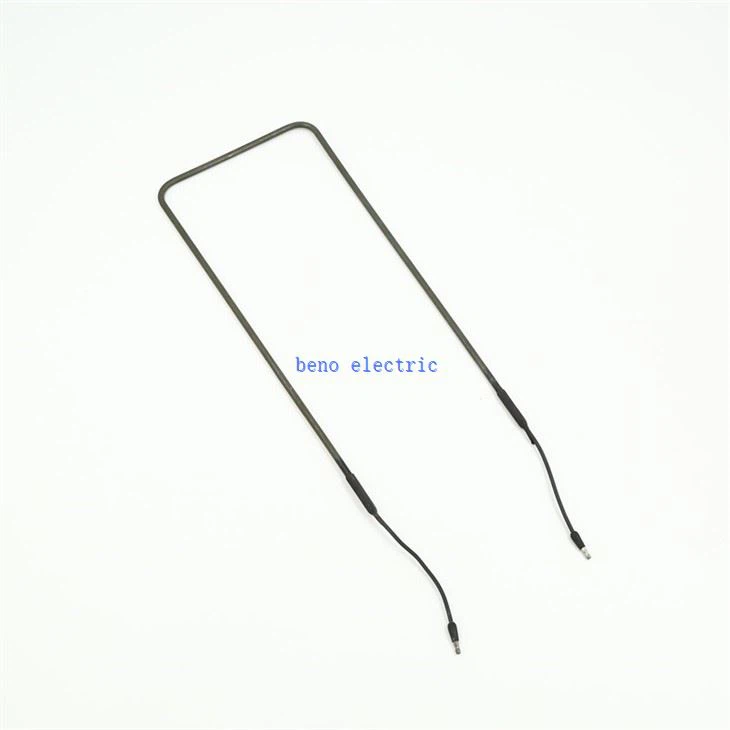
Our Defrosting Heating Element For Refrigerator is also a great option. It helps keep the evaporator coil free from ice buildup, which can be a result of a clogged drain pan. And our Defrost Heater Heaters Element Elements Evaporator is designed to work efficiently and effectively, ensuring that your HVACR system runs smoothly.
Contact Us for Procurement
If you're experiencing any of the issues mentioned above or are looking to upgrade your HVACR system, we're here to help. Our team of experts can provide you with the right products and advice to keep your system in top condition. Whether you're a homeowner or a business owner, we have the solutions for you. Don't hesitate to reach out to us for procurement and to discuss your specific needs.
References
- ASHRAE Handbook of HVAC Systems and Equipment
- HVACR Service and Installation Guide