


Hey there! As an HVAC parts supplier, I've seen my fair share of HVAC issues, and one of the most common problems homeowners face is a clogged HVAC drain line. A clogged drain line can lead to a whole bunch of headaches, from water damage to reduced system efficiency. In this blog post, I'll be talking about the signs of a clogged HVAC drain line and why it's important to address the issue as soon as possible.
Water Leaks
One of the most obvious signs of a clogged HVAC drain line is water leaks. When the drain line is clogged, the condensation that collects in the HVAC system has nowhere to go. This can cause water to back up and leak out of the system, often onto the floor or into the walls. You might notice water pooling around the indoor unit of your HVAC system, or you might see water stains on the ceiling or walls near the unit.
If you notice water leaks, it's important to act quickly. Water damage can lead to mold growth, which can be a serious health hazard. It can also cause structural damage to your home, which can be expensive to repair. If you're not comfortable dealing with the issue yourself, it's best to call a professional HVAC technician.
Musty Odors
Another sign of a clogged HVAC drain line is musty odors. When water sits in the drain line for too long, it can start to grow mold and mildew. These fungi can produce a musty smell that can be quite unpleasant. You might notice the smell coming from the vents in your home, or you might notice it when you turn on your HVAC system.
Musty odors can be a sign of a more serious problem, so it's important to address them as soon as possible. In addition to being unpleasant, mold and mildew can cause health problems, especially for people with allergies or respiratory problems. If you notice musty odors, it's best to have your HVAC system inspected by a professional technician.
Reduced Airflow
A clogged HVAC drain line can also cause reduced airflow. When the drain line is clogged, the condensation that collects in the system can cause the evaporator coil to freeze. This can restrict the airflow through the system, making it less efficient. You might notice that your HVAC system is running longer than usual, or you might notice that the air coming from the vents is not as strong as it used to be.
Reduced airflow can also cause other problems, such as uneven heating or cooling in your home. If you notice reduced airflow, it's important to have your HVAC system checked by a professional technician. They can determine if the problem is caused by a clogged drain line or something else.
Increased Energy Bills
If your HVAC system is not running efficiently, it can cause your energy bills to increase. A clogged drain line can cause the system to work harder than it needs to, which can use more energy. You might notice that your energy bills are higher than usual, even though you're not using your HVAC system more than you normally would.
Increased energy bills can be a sign of a number of problems, so it's important to have your HVAC system inspected by a professional technician. They can determine if the problem is caused by a clogged drain line or something else. If the problem is caused by a clogged drain line, they can clean the drain line and restore your system's efficiency.

Ice on the Evaporator Coil
As I mentioned earlier, a clogged HVAC drain line can cause the evaporator coil to freeze. When the coil freezes, it can restrict the airflow through the system, making it less efficient. You might notice ice on the evaporator coil if you open the access panel to your indoor unit.
If you notice ice on the evaporator coil, it's important to turn off your HVAC system and call a professional technician. Running the system with a frozen coil can cause damage to the compressor, which can be expensive to replace. The technician can thaw the coil and determine the cause of the problem.
How to Prevent a Clogged HVAC Drain Line
Now that you know the signs of a clogged HVAC drain line, you might be wondering how to prevent it from happening. Here are some tips:
- Regular Maintenance: Have your HVAC system serviced regularly by a professional technician. They can clean the drain line and check for other potential problems.
- Use a Drain Pan Treatment: There are products available that can help prevent mold and mildew from growing in the drain pan and drain line. These products can be added to the drain pan on a regular basis.
- Keep the Area Around the HVAC System Clean: Make sure the area around your indoor and outdoor units is free of debris. Leaves, dirt, and other debris can clog the drain line.
- Check the Drain Line Regularly: You can check the drain line yourself by looking for water leaks or blockages. If you notice any problems, you can try to clean the drain line yourself or call a professional technician.
Conclusion
A clogged HVAC drain line can cause a number of problems, from water damage to reduced system efficiency. By knowing the signs of a clogged drain line, you can take steps to address the issue before it becomes a major problem. If you notice any of the signs I mentioned in this blog post, it's important to call a professional HVAC technician. They can diagnose the problem and recommend the best course of action.
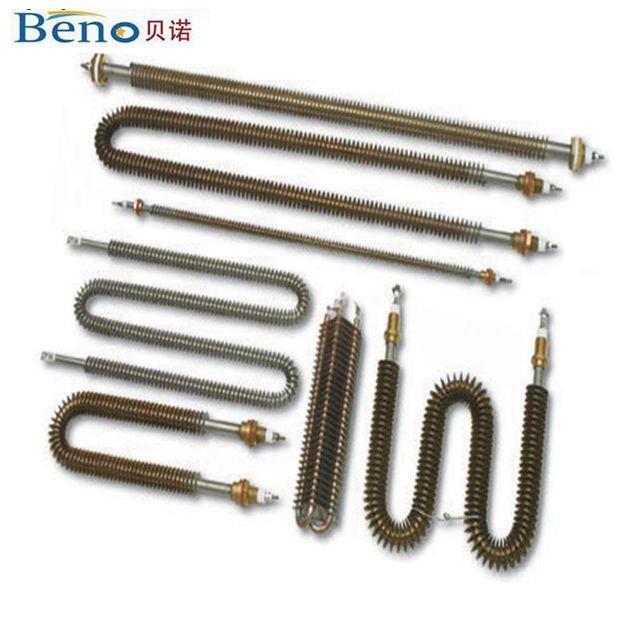
As an HVAC parts supplier, I have a wide range of products that can help keep your HVAC system running smoothly. For example, we offer Fin Type Tubular Heating Element, Air Duct Type Fin Heating Element For Central Air Conditoner, and Tubular Heater Stainless Steel Heating Element. If you're in the market for HVAC parts, feel free to reach out to us to discuss your needs. We're here to help you find the right products for your system.
References
- HVAC Systems: Operation, Maintenance, and Repair by Eugene Silberstein
- The Complete Guide to HVAC Systems by John Tomczyk


