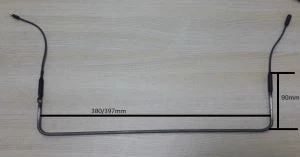
What is the heat transfer coefficient of a heat tube?
As a heat tube supplier, I've encountered numerous inquiries regarding the heat transfer coefficient of heat tubes. It's a crucial parameter that determines the efficiency and performance of these tubes in various applications. In this blog post, I'll delve into the concept of the heat transfer coefficient, its significance, and how it relates to our heat tube products.
Understanding the Heat Transfer Coefficient
The heat transfer coefficient, often denoted as h, is a measure of the ability of a material or system to transfer heat. It quantifies the rate of heat transfer between a solid surface and a fluid (either a gas or a liquid) flowing over it. The heat transfer coefficient is influenced by several factors, including the properties of the fluid, the flow characteristics, and the surface properties of the heat tube.
Mathematically, the heat transfer coefficient is defined by Newton's law of cooling:
[
q = h \cdot A \cdot \Delta T
]
where q is the rate of heat transfer, A is the surface area of the heat tube, and ΔT is the temperature difference between the surface of the heat tube and the fluid.
The heat transfer coefficient is typically expressed in units of watts per square meter per kelvin (W/(m²·K)). A higher heat transfer coefficient indicates a more efficient heat transfer process, meaning that more heat can be transferred per unit area and temperature difference.
Significance of the Heat Transfer Coefficient in Heat Tubes
In the context of heat tubes, the heat transfer coefficient plays a vital role in determining their performance. Heat tubes are commonly used in a wide range of applications, including heating, ventilation, and air conditioning (HVAC), refrigeration, and industrial processes. In these applications, the ability to transfer heat efficiently is crucial for achieving optimal performance and energy efficiency.
A high heat transfer coefficient allows heat tubes to transfer heat more effectively, resulting in faster heating or cooling rates. This can lead to significant energy savings, as less energy is required to achieve the desired temperature change. Additionally, a high heat transfer coefficient can reduce the size and cost of the heat transfer equipment, as fewer heat tubes are needed to achieve the same level of heat transfer.
On the other hand, a low heat transfer coefficient can result in poor heat transfer performance, leading to longer heating or cooling times, increased energy consumption, and larger equipment sizes. Therefore, it's essential to select heat tubes with a high heat transfer coefficient to ensure optimal performance and efficiency.
Factors Affecting the Heat Transfer Coefficient of Heat Tubes
Several factors can affect the heat transfer coefficient of heat tubes. Understanding these factors can help us optimize the design and performance of our heat tube products.
- Fluid Properties: The properties of the fluid flowing over the heat tube, such as its thermal conductivity, viscosity, density, and specific heat capacity, can significantly influence the heat transfer coefficient. For example, fluids with high thermal conductivity and low viscosity tend to have higher heat transfer coefficients.
- Flow Characteristics: The flow rate, flow regime (laminar or turbulent), and flow geometry of the fluid can also affect the heat transfer coefficient. Turbulent flow generally results in higher heat transfer coefficients compared to laminar flow, as it enhances the mixing of the fluid and promotes better heat transfer.
- Surface Properties: The surface properties of the heat tube, such as its roughness, material, and coating, can have a significant impact on the heat transfer coefficient. A rough surface can increase the turbulence of the fluid flow, leading to higher heat transfer coefficients. Additionally, certain materials and coatings can enhance the thermal conductivity of the heat tube, further improving its heat transfer performance.
- Tube Geometry: The geometry of the heat tube, including its diameter, length, and shape, can also affect the heat transfer coefficient. For example, tubes with a smaller diameter generally have higher heat transfer coefficients due to the increased surface area-to-volume ratio.
Improving the Heat Transfer Coefficient of Heat Tubes
As a heat tube supplier, we're constantly striving to improve the heat transfer coefficient of our products to meet the evolving needs of our customers. Here are some of the strategies we employ to enhance the heat transfer performance of our heat tubes:
- Optimizing Tube Design: We carefully design our heat tubes to maximize the surface area available for heat transfer. This can be achieved by using finned tubes, which increase the surface area and enhance the heat transfer coefficient. Additionally, we optimize the tube geometry, such as the diameter and length, to ensure efficient fluid flow and heat transfer.
- Selecting High-Performance Materials: We use high-quality materials with excellent thermal conductivity to manufacture our heat tubes. This helps to improve the heat transfer efficiency and reduce the energy consumption of the heat transfer system.
- Applying Advanced Coatings: We apply advanced coatings to the surface of our heat tubes to enhance their heat transfer performance. These coatings can improve the thermal conductivity, reduce the surface roughness, and prevent corrosion, all of which contribute to a higher heat transfer coefficient.
- Conducting Rigorous Testing: We conduct rigorous testing on our heat tube products to ensure that they meet the highest standards of performance and quality. This includes testing the heat transfer coefficient under various operating conditions to verify its accuracy and reliability.
Our Heat Tube Products and Their Heat Transfer Coefficients
At our company, we offer a wide range of heat tube products designed to meet the diverse needs of our customers. Our products include Double Tubular Defrosting Heater Elements, HVAC HVACR Heater Heating Element Elements Products, and Heating Element.
Each of our heat tube products is carefully engineered to provide high heat transfer coefficients and excellent performance. Our team of experts uses advanced computational fluid dynamics (CFD) simulations and experimental testing to optimize the design and performance of our heat tubes. As a result, our products offer superior heat transfer efficiency, energy savings, and reliability.
Conclusion
The heat transfer coefficient is a critical parameter that determines the performance and efficiency of heat tubes. By understanding the concept of the heat transfer coefficient and the factors that affect it, we can optimize the design and performance of our heat tube products to meet the evolving needs of our customers.
At our company, we're committed to providing high-quality heat tube products with excellent heat transfer coefficients. Our products are designed to offer superior performance, energy savings, and reliability, making them the ideal choice for a wide range of applications.
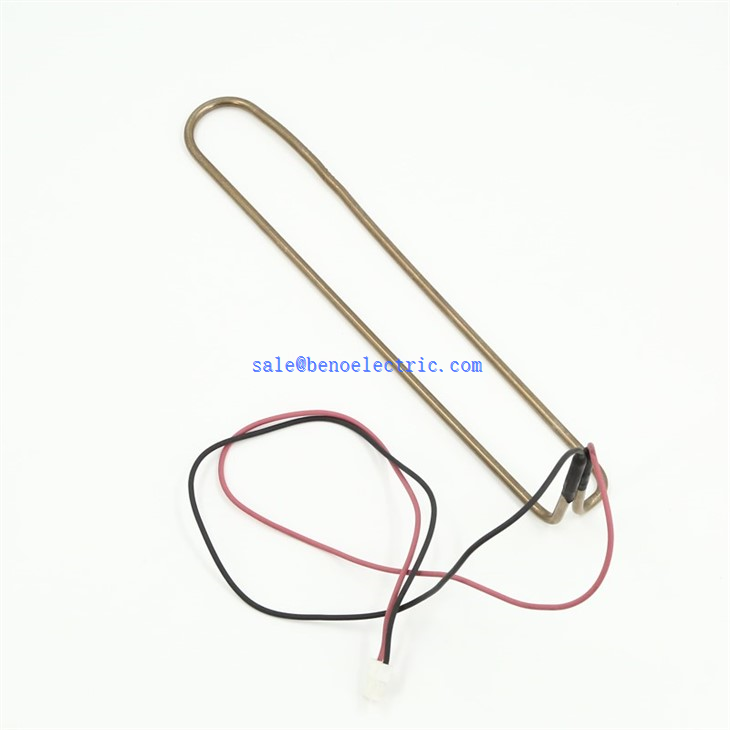

If you're interested in learning more about our heat tube products or discussing your specific heat transfer requirements, please don't hesitate to contact us. Our team of experts will be happy to assist you and provide you with the information you need to make an informed decision. We look forward to the opportunity to work with you and help you achieve your heat transfer goals.
References
- Incropera, F. P., & DeWitt, D. P. (2002). Fundamentals of heat and mass transfer. Wiley.
- Holman, J. P. (2010). Heat transfer. McGraw-Hill.
- Bergman, T. L., Lavine, A. S., Incropera, F. P., & DeWitt, D. P. (2011). Introduction to heat transfer. Wiley.