


Hey there! As a heater pad supplier, I often get asked about the noise level of heater pads. It's a pretty important factor, especially if you're planning to use the heater pad in a quiet environment like a bedroom or an office. So, let's dive right into it and figure out what the noise level of a heater pad is all about.
First off, it's crucial to understand that not all heater pads are created equal. Different types of heater pads have different noise characteristics, and this can depend on various factors such as the heating technology, the materials used, and the design of the heater pad.
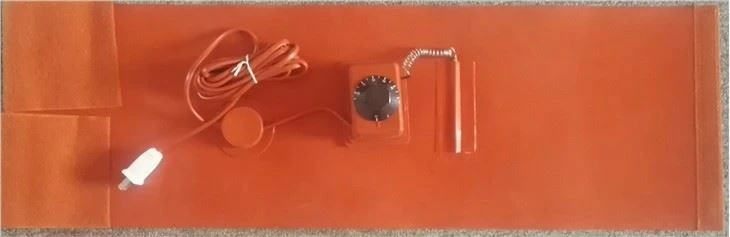
Let's start with the most common types of heater pads. One of the popular ones is the Silicon Rubber Heating Pad. These heater pads are known for their flexibility and even heat distribution. Generally speaking, silicon rubber heating pads are quite quiet. The reason is that they use a resistive heating element that generates heat when an electric current passes through it. There are no moving parts involved in the heating process, which means there's no mechanical noise. You might hear a very faint humming sound when the heater pad is first turned on, but this is usually due to the initial flow of electricity and it fades away quickly.
Another type is the Silicon Rubber Heater With Spring Or Velcro Strips. These are similar to the regular silicon rubber heating pads, but they come with additional features for easy installation and attachment. The noise level of these heater pads is also very low. The spring or velcro strips don't contribute to any significant noise, and the heating mechanism remains the same as the standard silicon rubber heating pads. So, you can expect a peaceful and quiet heating experience with these as well.
Now, let's talk about Oil Heater. Oil heaters work by heating up a special type of oil inside the unit. The oil retains heat well and radiates it into the surrounding area. These heaters can be a bit noisier compared to silicon rubber heating pads. When the oil is being heated, you might hear a gentle gurgling or bubbling sound. This is completely normal and is just the oil expanding and circulating within the heater. Some oil heaters also have a fan to help distribute the heat more effectively, and this fan can produce a low - level whirring sound. However, modern oil heaters are designed to minimize these noises, and many models are quite quiet, especially when they're set to a lower heat setting.
So, how can you measure the noise level of a heater pad? Well, the noise level is usually measured in decibels (dB). A normal conversation is around 60 dB, and a whisper is about 30 dB. Most silicon rubber heating pads operate at a noise level of around 20 - 30 dB, which is extremely quiet. You might not even notice the sound unless you're in a very quiet room and listening closely. Oil heaters, on the other hand, can range from 30 - 40 dB, depending on the model and the heat setting.
If the noise level of a heater pad is a major concern for you, there are a few things you can do. First, when choosing a heater pad, look for product reviews that mention the noise level. Customers often share their real - world experiences with the noise of the heater pad. Second, place the heater pad on a soft surface. This can help absorb any vibrations that might cause additional noise. For example, if you're using a heater pad on a hard floor, try placing a rug or a mat underneath it.
As a heater pad supplier, I understand that every customer has different needs. Whether you're looking for a heater pad for a noisy workshop or a quiet bedroom, we have a wide range of options to suit your requirements. Our silicon rubber heating pads are perfect for those who need a near - silent heating solution, while our oil heaters are great for larger spaces where a bit of noise can be tolerated in exchange for more powerful heating.
If you're interested in purchasing a heater pad, I'd love to have a chat with you. We can discuss your specific needs, such as the size of the area you want to heat, the noise level you're comfortable with, and your budget. Whether you're a homeowner looking to keep warm during the winter or a business owner in need of a reliable heating solution, we've got you covered.
In conclusion, the noise level of a heater pad varies depending on the type of heater pad. Silicon rubber heating pads are generally very quiet, while oil heaters can have a bit more noise but are still designed to be relatively peaceful. By understanding the different noise characteristics of each type, you can make an informed decision when choosing a heater pad for your needs.

References
- "Heating Technology Basics" - General knowledge on how different heating elements work
- "Noise Measurement Standards" - Information on how noise levels are measured in consumer products


