


Hey there! I'm a supplier of heat plates, and today I wanna dive into the different materials that heat plates are made of. Heat plates are super common in all sorts of appliances, from our kitchen stoves to industrial machinery. Knowing what they're made of can help you understand their performance, durability, and which one might be the best fit for your needs.

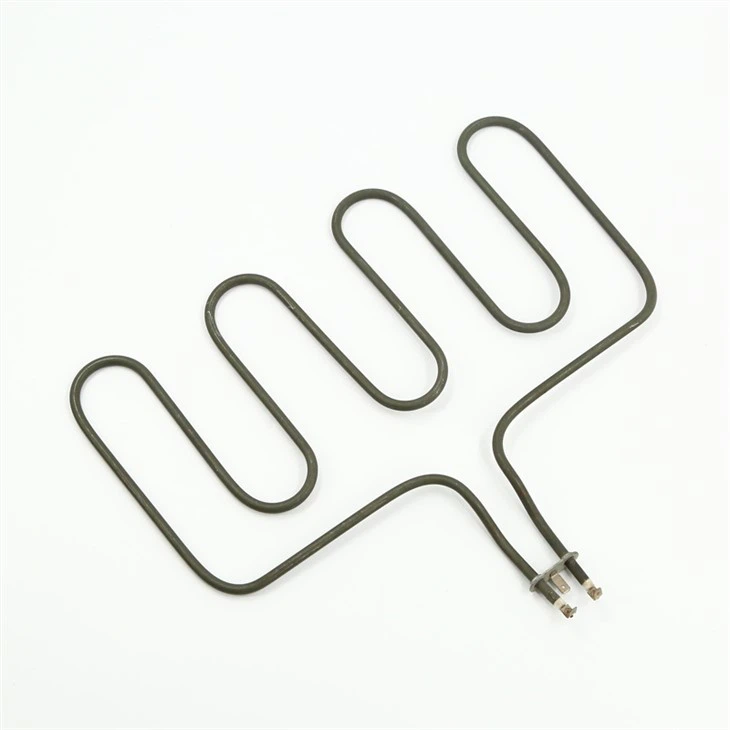
Stainless Steel
Stainless steel is one of the most popular materials for heat plates. It's a go - to choice for many home and commercial applications. Why? Well, first off, it's highly resistant to corrosion. You don't have to worry about it rusting when it comes into contact with moisture or certain chemicals.
In the kitchen, stainless - steel heat plates are used in electric stoves. They can handle high temperatures without warping easily. The smooth surface of stainless steel also makes it easy to clean. You can just wipe off spills and stains, and it'll look as good as new.
From a manufacturing perspective, stainless steel is relatively easy to work with. It can be formed into different shapes and sizes, which is great for custom - made heat plates. Whether you need a small, circular heat plate for a single - burner cooktop or a large, rectangular one for an industrial oven, stainless steel can get the job done.
If you're in the market for an oven with a stainless - steel heat plate, you might be interested in our Electric Oven Heating Element. It's designed to provide efficient and even heating for your baking needs.
Cast Iron
Cast iron heat plates have been around for ages, and they still have a loyal following. One of the biggest advantages of cast iron is its excellent heat retention. Once it gets hot, it stays hot for a long time. This makes it ideal for cooking methods like searing steaks. You can get a nice, crispy crust on the outside while keeping the inside juicy.
Cast iron is also very durable. It can withstand a lot of wear and tear, and it'll last for generations if properly cared for. However, it does require a bit of maintenance. You need to season the cast - iron heat plate regularly to prevent rusting. Seasoning creates a natural, non - stick surface, which is a bonus when cooking.
In industrial settings, cast - iron heat plates are used in some heavy - duty machinery. They can handle high - pressure and high - temperature operations. But they're also quite heavy, so you need to make sure your equipment can support the weight.
Aluminum
Aluminum heat plates are lightweight and have good thermal conductivity. This means they heat up quickly and distribute heat evenly. In the food industry, aluminum heat plates are often used in waffle makers. They can cook waffles evenly on both sides in a short amount of time.
Aluminum is also a cost - effective material. It's cheaper than some other metals, which makes it a popular choice for mass - produced heat plates. However, it's not as strong as stainless steel or cast iron. It can be easily dented or scratched, so it might not be the best option for high - impact applications.
If you're looking for a heating element for your waffle maker, check out our Straight Resistance For Waffle Maker. It's made with high - quality aluminum to ensure efficient and consistent waffle cooking.
Ceramics
Ceramic heat plates are becoming more popular, especially in modern appliances. Ceramics have a high melting point and excellent heat resistance. They can reach very high temperatures without breaking down.
In induction cooktops, ceramic heat plates are used because they're non - conductive. They allow the magnetic field to pass through and heat the cooking vessel directly. This makes induction cooking very energy - efficient.
Ceramic heat plates also have a smooth and easy - to - clean surface. They're resistant to stains and scratches, which is great for a long - lasting appearance. However, they can be brittle. If you drop or hit a ceramic heat plate too hard, it might crack or break.
Nichrome Wire
Nichrome wire is a key component in many heat plates, especially those used in electrical appliances. Nichrome is an alloy of nickel and chromium. It has a high electrical resistance, which means when an electric current passes through it, it generates a lot of heat.
This wire is often coiled and embedded in the heat plate. It's used in toasters, hair dryers, and some small electric heaters. Nichrome wire can heat up very quickly and reach high temperatures. It's also resistant to oxidation, which gives it a long lifespan.
Our Amazon Hot Selling PRYSM Brand Replace Heating Element 318255006 uses high - quality nichrome wire to provide reliable and efficient heating.
PTC Ceramics
PTC (Positive Temperature Coefficient) ceramics are another interesting material for heat plates. PTC ceramics have a unique property: their electrical resistance increases with temperature. This means they can self - regulate the temperature.
In small heaters and warmers, PTC ceramic heat plates are used. They're safe because they won't overheat. Once they reach a certain temperature, the resistance goes up, and the current decreases, which keeps the temperature stable.
So, there you have it! These are some of the main materials that heat plates are made of. Each material has its own advantages and disadvantages, and the choice depends on your specific requirements. Whether you need a heat plate for your home kitchen, an industrial application, or a small electrical appliance, we've got you covered.
If you're interested in purchasing heat plates or have any questions about our products, feel free to reach out. We're always happy to help you find the right solution for your needs. Let's start a conversation about your heat - plate requirements and see how we can work together to meet your goals.
References
- ASM Handbook Committee. (20xx). ASM Handbook Volume 1: Properties and Selection: Irons, Steels, and High - Performance Alloys. ASM International.
- Schaeffler, B. (20xx). Stainless Steel: A Guide to Selection and Application. Wiley.
- Callister, W. D., & Rethwisch, D. G. (20xx). Materials Science and Engineering: An Introduction. Wiley.


