


In the world of heating solutions, the choice between a convection heat maker and a radiant heat maker is a crucial decision that can significantly impact comfort, energy efficiency, and cost. As a seasoned heat maker supplier, I've witnessed firsthand the diverse needs of customers and the varying performance of these two types of heating systems. In this blog post, I'll delve into the characteristics, advantages, and disadvantages of convection and radiant heat makers to help you make an informed decision.
Understanding Convection Heat Makers
Convection heat makers operate on the principle of heating air and circulating it throughout a space. These systems typically consist of a heating element, a fan, and a ductwork or ventilation system. When the heating element warms up, the fan blows air over it, and the heated air is then distributed through the ducts or vents into the room.
One of the primary advantages of convection heat makers is their ability to quickly heat up a large area. The forced air circulation ensures that warm air reaches every corner of the room, providing uniform heating. This makes them an excellent choice for spaces with high ceilings or large open areas, such as warehouses, commercial buildings, and industrial facilities.
Convection heat makers are also relatively easy to install and maintain. They can be integrated into existing HVAC systems or used as standalone units. Additionally, they offer a high level of control over the temperature, allowing users to adjust the settings according to their comfort needs.
However, convection heat makers also have some drawbacks. The forced air circulation can cause dust and allergens to be stirred up and circulated throughout the room, which may be a concern for people with respiratory issues. Additionally, the constant movement of air can create drafts, which can make the room feel less comfortable.
Exploring Radiant Heat Makers
Radiant heat makers, on the other hand, work by emitting infrared radiation that heats objects and people directly, rather than heating the air. These systems typically consist of a heating element, such as a panel or a tube, that is installed on the floor, ceiling, or walls of a room. When the heating element is activated, it emits infrared radiation that is absorbed by the objects and people in the room, warming them up.
One of the main advantages of radiant heat makers is their energy efficiency. Since they heat objects and people directly, rather than heating the air, they require less energy to achieve the same level of comfort. This can result in significant cost savings over time, especially in areas with high energy costs.
Radiant heat makers also provide a more comfortable heating experience. They eliminate drafts and cold spots, creating a more even and consistent temperature throughout the room. Additionally, they do not stir up dust and allergens, making them a good choice for people with respiratory issues.
However, radiant heat makers also have some limitations. They typically take longer to heat up a room compared to convection heat makers, as they rely on the absorption of infrared radiation by objects and people. This may not be ideal for spaces that require quick heating, such as bathrooms or entryways. Additionally, radiant heat makers can be more expensive to install compared to convection heat makers, especially if they require a custom installation.
Comparing Convection and Radiant Heat Makers
To help you make a more informed decision, let's compare convection and radiant heat makers based on several key factors:
1. Heating Performance
Convection heat makers are better suited for quickly heating up large areas, as they can distribute warm air throughout the room using a fan. Radiant heat makers, on the other hand, are more effective at providing targeted heating to specific areas or objects, as they heat them directly.
2. Energy Efficiency
Radiant heat makers are generally more energy-efficient than convection heat makers, as they heat objects and people directly, rather than heating the air. This can result in lower energy bills and reduced environmental impact.
3. Comfort
Radiant heat makers provide a more comfortable heating experience, as they eliminate drafts and cold spots, creating a more even and consistent temperature throughout the room. Convection heat makers, on the other hand, can create drafts and stir up dust and allergens, which may be a concern for some people.
4. Installation and Maintenance
Convection heat makers are relatively easy to install and maintain, as they can be integrated into existing HVAC systems or used as standalone units. Radiant heat makers, on the other hand, may require a more complex installation process, especially if they are installed in the floor or ceiling.
5. Cost
Convection heat makers are generally less expensive to purchase and install compared to radiant heat makers. However, the long-term energy savings associated with radiant heat makers may offset the initial cost difference.
Our Product Offerings
As a leading heat maker supplier, we offer a wide range of convection and radiant heat makers to meet the diverse needs of our customers. Our products are designed to provide efficient, reliable, and comfortable heating solutions for residential, commercial, and industrial applications.
Some of our popular products include:
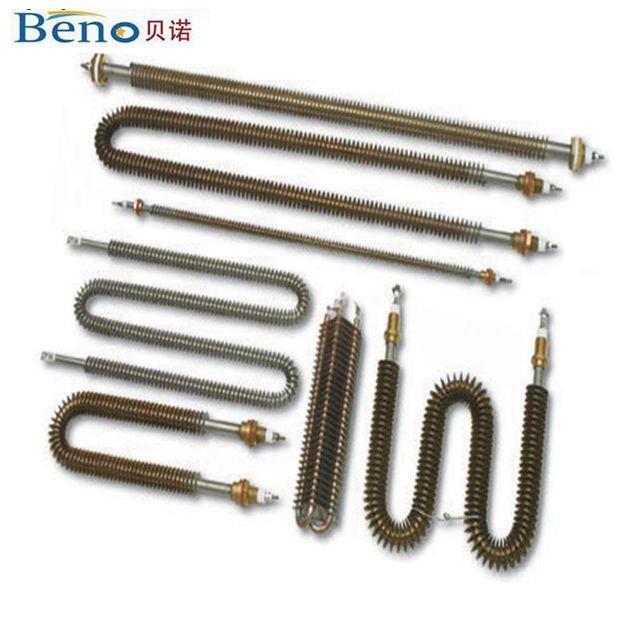
- Air Duct Type Fin Heating Element For Central Air Conditoner: This high-performance heating element is designed for use in central air conditioning systems. It features a finned design that increases the surface area, allowing for more efficient heat transfer.
- HVAC HVACR Heating Heater Parts Components: Our comprehensive range of HVAC and HVACR heating heater parts and components includes heating elements, thermostats, controllers, and more. These parts are designed to ensure the optimal performance and reliability of your heating system.
- U Type Heating Element Air Heater: This versatile air heater is suitable for a variety of applications, including industrial drying, heating, and ventilation. It features a U-shaped heating element that provides efficient and uniform heating.
Making the Right Choice
When choosing between a convection heat maker and a radiant heat maker, it's important to consider your specific needs and preferences. If you need to quickly heat up a large area, a convection heat maker may be the better choice. If you're looking for a more energy-efficient and comfortable heating solution, a radiant heat maker may be the way to go.
At our company, we understand that every customer has unique requirements. That's why we offer personalized consultation services to help you select the right heating system for your needs. Our team of experts will work with you to understand your heating requirements, budget, and installation constraints, and recommend the most suitable solution for you.

If you're interested in learning more about our convection and radiant heat makers, or if you have any questions or concerns, please don't hesitate to contact us. We're here to help you make the right choice and ensure that you get the most out of your heating system.
References
- "Heating Systems: Convection vs. Radiant." Energy.gov.
- "Convection Heating vs. Radiant Heating: Which Is Better?" The Spruce.
- "Radiant Heating vs. Convection Heating: What's the Difference?" Bob Vila.


