


As a supplier of IR heaters, I often encounter the question: Are IR heaters energy - efficient? This is a crucial topic not only for potential buyers but also for those who are environmentally conscious and looking to reduce their energy bills. In this blog, I will delve into the science behind IR heaters and explore their energy - efficiency.
How IR Heaters Work
Infrared (IR) heaters work on the principle of emitting infrared radiation. Unlike traditional heaters that heat the air in a room, IR heaters directly heat objects and people in their path. This is similar to the way the sun warms the Earth; the sun's rays travel through the cold vacuum of space and heat the surface of the planet directly.
When an IR heater is turned on, it generates infrared waves. These waves are absorbed by solid objects, such as furniture, walls, and our bodies. Once absorbed, the objects convert the infrared energy into heat. This process is highly efficient because it doesn't waste energy heating the air, which can easily escape through drafts or open windows.
Energy - Efficiency of IR Heaters
One of the main reasons why IR heaters are considered energy - efficient is their targeted heating. Traditional convection heaters heat the air in a room, which then circulates to warm the surrounding objects. However, a significant amount of heat can be lost in the process, especially if the room is poorly insulated. In contrast, IR heaters focus their energy on specific areas or individuals, reducing energy waste.
For example, if you are sitting in a large living room, you don't need to heat the entire room to feel comfortable. An IR heater can be directed towards you, providing instant warmth without having to heat the entire space. This means that you can use less energy to achieve the same level of comfort.
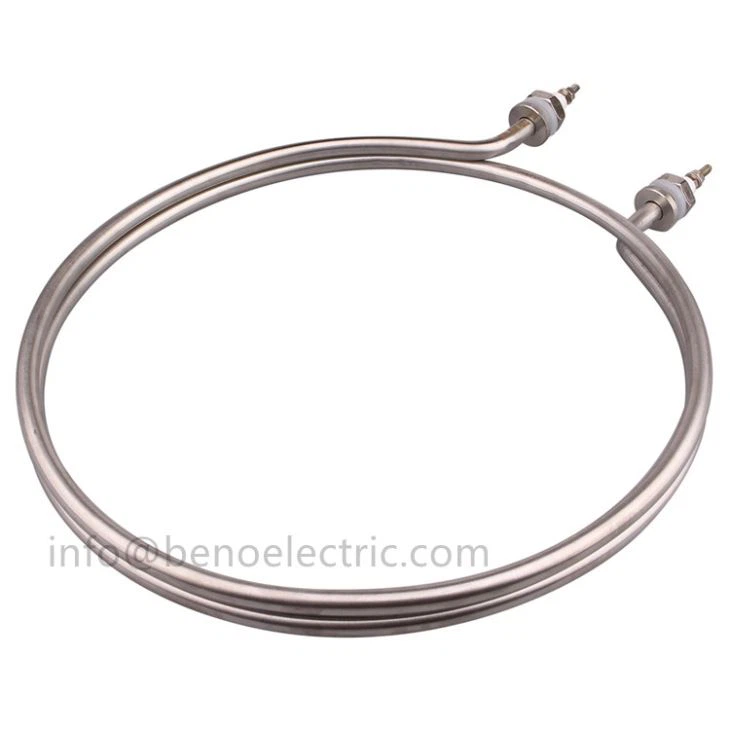

Another factor contributing to the energy - efficiency of IR heaters is their quick heating time. Since they heat objects directly, they can reach the desired temperature much faster than convection heaters. This reduces the amount of time the heater needs to be running, resulting in lower energy consumption.
Moreover, IR heaters can be used in conjunction with a thermostat. A thermostat allows you to set the desired temperature, and the heater will automatically turn on and off to maintain that temperature. This further enhances energy - efficiency by preventing over - heating.
Comparing IR Heaters with Other Types of Heaters
Let's compare IR heaters with some common types of heaters to understand their energy - efficiency better.
Convection Heaters
Convection heaters, as mentioned earlier, heat the air in a room. They are less energy - efficient than IR heaters because they rely on air circulation, which can be inefficient, especially in large or poorly insulated spaces. Additionally, convection heaters often take longer to heat up, requiring more energy in the process.
Oil - Filled Radiators
Oil - filled radiators store heat in the oil inside the unit. While they can provide a steady source of heat, they are also less energy - efficient than IR heaters. They take a relatively long time to heat up, and they heat the entire room rather than targeting specific areas.
Gas Heaters
Gas heaters can be powerful, but they also have some drawbacks in terms of energy - efficiency. They require a constant supply of gas, and the combustion process can produce pollutants. Additionally, gas heaters need to heat the air, which can lead to heat loss.
Applications of IR Heaters and Their Energy - Efficiency
IR heaters have a wide range of applications, and their energy - efficiency makes them suitable for many different scenarios.
Home Heating
In a home setting, IR heaters can be used as a supplementary heating source. For instance, you can place an IR heater in your bedroom to provide extra warmth during the night. Since you only need to heat the area around your bed, an IR heater can do this efficiently without wasting energy on heating the entire room.
Industrial Settings
In industrial settings, IR heaters are often used for drying, curing, and heating processes. Their targeted heating and quick heating time make them ideal for these applications. For example, in a paint - drying process, an IR heater can be directed at the painted surface, quickly evaporating the solvents and reducing the drying time. This not only saves energy but also increases productivity.
Outdoor Spaces
IR heaters are also popular for outdoor spaces such as patios and gardens. They can provide warmth even in cold weather, allowing you to enjoy your outdoor area for longer. Since they heat people and objects directly, they are more effective than traditional outdoor heaters that heat the air, which can quickly disperse in the open air.
Related Products and Their Energy - Efficiency
As an IR heater supplier, we also offer related products such as Water Heater Heater Heating Element, suana heating element, and Sauna Tubular Heating Element. These products also follow the principle of efficient energy use.
For example, the water heater heating element is designed to heat water quickly and efficiently. It uses advanced technology to transfer heat to the water, reducing energy consumption. Similarly, the sauna heating element and the sauna tubular heating element are optimized for energy - efficiency, providing a comfortable and cost - effective sauna experience.
Conclusion
In conclusion, IR heaters are indeed energy - efficient. Their targeted heating, quick heating time, and ability to work with a thermostat make them a great choice for both residential and commercial applications. When compared to other types of heaters, they offer significant energy savings.
If you are interested in purchasing IR heaters or any of our related products, we encourage you to contact us for more information and to start a procurement discussion. Our team of experts can help you choose the right product for your specific needs and ensure that you get the most energy - efficient heating solution.
References
- "Heating Systems and Energy Efficiency" - Energy Research Journal
- "The Science of Infrared Heating" - Thermal Engineering Magazine
- "Comparative Study of Different Heaters" - Heating and Ventilation Research Institute


