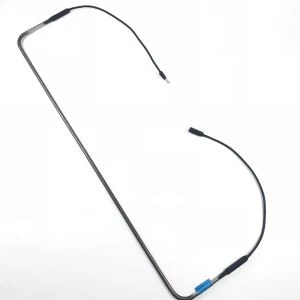
Hot runners are essential components in the injection molding process, offering numerous advantages such as reduced cycle times, less material waste, and improved part quality. However, like any complex system, they are prone to several common problems that can affect the efficiency and quality of the molding operation. As a hot runner supplier, I've encountered these issues firsthand and understand the importance of addressing them promptly to ensure smooth production.
1. Leakage
One of the most prevalent problems with hot runners is leakage. This can occur at various points in the system, including the nozzle tips, manifold connections, or seals. Leakage can be caused by several factors, such as improper installation, wear and tear, or thermal expansion and contraction.
Improper installation is a common culprit. If the hot runner components are not installed correctly, there may be gaps or misalignments that allow molten plastic to escape. For example, if the nozzle is not tightened properly to the manifold, plastic can seep out at the connection point. Wear and tear over time can also damage the seals and gaskets, leading to leakage. High - temperature and high - pressure environments in the injection molding process can accelerate this deterioration.
Thermal expansion and contraction can cause the components to shift slightly, creating small openings for plastic to leak. When the hot runner system heats up during operation, the materials expand, and when it cools down, they contract. If the design does not account for these dimensional changes adequately, leakage can occur. To address leakage, regular maintenance and inspection are crucial. Replace worn - out seals and gaskets promptly, and ensure proper installation of all components.
2. Nozzle Blockage
Nozzle blockage is another significant issue. It can be caused by several factors, including foreign particles in the plastic resin, degradation of the plastic, or improper temperature control.
Foreign particles can enter the plastic resin during the handling or storage process. These particles can accumulate in the nozzle, gradually blocking the flow of molten plastic. For instance, if the resin is stored in a dirty environment, dust or small debris can mix with the plastic and cause blockages.
Plastic degradation can also lead to nozzle blockage. When the plastic is exposed to high temperatures for an extended period, it can break down and form carbonized or charred material. This material can stick to the inner walls of the nozzle, reducing the flow area and eventually blocking the nozzle.
Improper temperature control is a common cause of nozzle blockage. If the temperature is too low, the plastic may not flow smoothly through the nozzle, leading to solidification and blockage. On the other hand, if the temperature is too high, plastic degradation is more likely to occur. To prevent nozzle blockage, use high - quality plastic resins, maintain proper temperature control, and clean the nozzles regularly.
3. Uneven Temperature Distribution
Maintaining a uniform temperature throughout the hot runner system is essential for consistent part quality. However, uneven temperature distribution is a common problem. This can be due to issues with the heating elements, insulation, or the design of the manifold.
Heating elements may malfunction over time. For example, a heating coil may burn out, resulting in a cold spot in the hot runner system. Insufficient insulation can also lead to heat loss in certain areas, causing temperature variations. If the insulation around the manifold or nozzles is damaged or not thick enough, heat can escape, leading to uneven temperatures.
The design of the manifold can also contribute to uneven temperature distribution. If the flow channels in the manifold are not designed to ensure equal heat transfer, some areas may be hotter or colder than others. To address this issue, regularly check the heating elements for proper functioning, ensure adequate insulation, and optimize the manifold design.
4. Gate Freezing
Gate freezing occurs when the plastic at the gate solidifies before the mold is fully filled. This can lead to incomplete part filling, short shots, or poor part appearance. Gate freezing can be caused by several factors, including low gate temperature, high injection speed, or improper gate design.
Low gate temperature is a common cause. If the gate is not heated sufficiently, the plastic will cool down quickly and solidify. High injection speed can also contribute to gate freezing. When the plastic is injected too fast, it can cause a pressure drop at the gate, which may lead to rapid cooling and solidification.
Improper gate design can also play a role. If the gate is too small, the plastic may experience high shear stress, which can increase the likelihood of freezing. To prevent gate freezing, ensure proper gate temperature control, adjust the injection speed as needed, and optimize the gate design.


5. Electrical Problems
Hot runners rely on electrical systems for heating and control. Electrical problems such as short circuits, open circuits, or faulty sensors can disrupt the operation of the hot runner system.
Short circuits can occur due to damaged wiring or improper grounding. If the insulation on the electrical wires is damaged, the wires may come into contact with each other, causing a short circuit. Open circuits can happen when a wire breaks or a connection becomes loose. Faulty sensors can provide inaccurate temperature or pressure readings, leading to improper control of the hot runner system.
Regular electrical inspections are necessary to detect and address these problems. Check the wiring for damage, ensure proper grounding, and test the sensors regularly to ensure they are functioning correctly.
6. Wear and Tear of Components
The components of a hot runner system are subject to wear and tear over time. The high - pressure and high - temperature environment of the injection molding process can cause the nozzles, manifolds, and other parts to degrade.
The nozzles are particularly vulnerable to wear. The constant flow of molten plastic can erode the inner walls of the nozzles, affecting the flow of plastic and the quality of the molded parts. The manifolds can also experience wear, especially at the connection points and flow channels.
To minimize wear and tear, use high - quality materials for the hot runner components. Regularly inspect the components for signs of wear and replace them as needed. Proper lubrication and maintenance can also extend the lifespan of the components.
Conclusion
As a hot runner supplier, I understand that these common problems can significantly impact the performance and productivity of injection molding operations. By being aware of these issues and taking proactive measures to prevent and address them, manufacturers can ensure the smooth operation of their hot runner systems and produce high - quality molded parts.
If you are facing any of these problems with your hot runner systems or are looking for reliable hot runner solutions, we are here to help. Our team of experts can provide you with the best advice and products to meet your specific needs. Whether you need HVACR HVAC Heater Heating Element Elements, Stainless Steel 304 Material Double Tubes Defrost Heater, or Air Cooler Heating Tube, we have a wide range of products to choose from. Contact us today to start a procurement discussion and find the perfect hot runner solution for your business.
References
- "Injection Molding Handbook" by O. Olszewski
- "Plastic Injection Molding Technology" by Rosato and Rosato
- Industry reports on hot runner systems from leading research firms