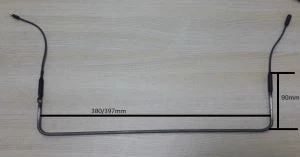
Are there any specific storage requirements for a brew belt? As a reputable brew belt supplier, I often encounter this question from our clients. In this blog, I will delve into the details of the storage requirements for brew belts, ensuring that you can maintain the quality and longevity of these essential brewing tools.
Understanding Brew Belts
Before discussing storage requirements, it's important to understand what brew belts are. Brew belts, such as the Home Brewery Belt For Fermenting, are specialized heating devices used in the brewing process. They are typically made of flexible materials that can conform to the shape of fermentation vessels, providing a consistent and controlled heat source. This is crucial for the fermentation process, as different types of beer require specific temperature ranges to develop their unique flavors and characteristics.
General Storage Conditions
The storage of brew belts should be carried out in a clean, dry, and well - ventilated environment. Moisture is one of the biggest enemies of brew belts. When exposed to high humidity or direct contact with water, the electrical components of the brew belt can corrode, and the insulation material may be damaged. This can not only reduce the efficiency of the brew belt but also pose a safety hazard.
For example, if a brew belt is stored in a damp basement, over time, the metal parts inside may rust, and the silicone rubber coating may start to deteriorate. This can lead to short - circuits or uneven heating, which is unacceptable in the brewing process.
Temperature Considerations
The temperature of the storage area also plays a significant role. Extreme temperatures can have a negative impact on the performance and lifespan of brew belts. High temperatures can cause the materials of the brew belt to expand and contract, which may lead to internal stress and eventually damage the electrical connections. On the other hand, very low temperatures can make the silicone rubber and other materials brittle, increasing the risk of cracking.
It is recommended to store brew belts at a temperature between 10°C and 30°C (50°F - 86°F). This temperature range ensures that the materials remain in a stable state, and the electrical properties of the brew belt are maintained.
Protection from Physical Damage
During storage, brew belts should be protected from physical damage. They should not be bent, twisted, or compressed excessively. If a brew belt is folded tightly or crushed under heavy objects, it can damage the internal wiring and the heating elements.
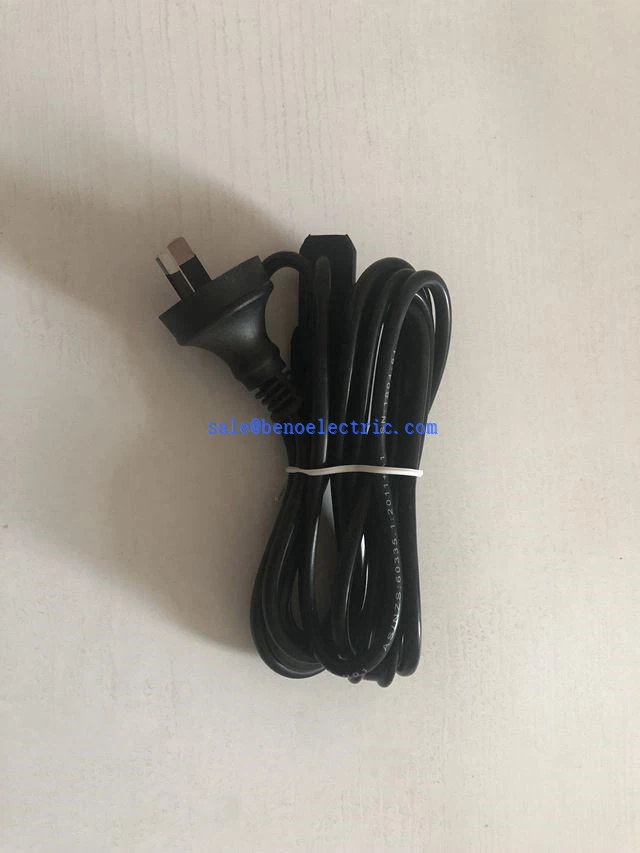
When not in use, it is a good practice to coil the brew belt gently and place it in a suitable container or on a shelf. Avoid placing sharp objects near the brew belt, as they can puncture or cut the outer insulation layer.

Cleaning Before Storage
Before storing a brew belt, it is essential to clean it properly. Residues from the brewing process, such as yeast, hops, or sugar, can attract pests and cause mold growth. A simple cleaning with a mild detergent and a soft cloth can remove these residues. Make sure to dry the brew belt thoroughly before storage to prevent any remaining moisture from causing damage.
Storage in Relation to Other Equipment
If you are storing other brewing equipment along with the brew belt, it is important to ensure that there is no interference. For example, some other brewing equipment may generate electromagnetic fields that could potentially affect the performance of the brew belt. Keep the brew belt away from large motors, transformers, or other high - power electrical devices.
Long - Term Storage
For long - term storage, additional precautions may be necessary. You can consider wrapping the brew belt in a protective plastic film to provide an extra layer of protection against dust and moisture. It is also advisable to check the brew belt periodically during long - term storage. Inspect for any signs of damage, such as cracks, frayed wires, or discoloration.
Compatibility with Accessories
Some brew belts come with accessories such as thermostats or control units. These accessories also need to be stored properly. The storage requirements for these accessories are similar to those of the brew belt itself. Keep them in a dry place, protect them from physical damage, and ensure that they are clean before storage.
Importance of Proper Storage
Proper storage of brew belts is not only about maintaining their physical condition but also about ensuring the quality of your brewing. A well - stored brew belt will provide consistent and accurate heating, which is essential for achieving the desired flavor and quality of your beer.
In addition, by following the correct storage procedures, you can extend the lifespan of your brew belt. This means less frequent replacement, which can save you money in the long run.
Related Products for Brewing
If you are in the brewing industry, you may also be interested in our other products. The Pipe Heating Cable is a great option for heating pipes in the brewing system, ensuring that the liquid flow remains at the right temperature. And the Electric Best Home Brew Fermentation Heater Heaters Tray provides an alternative way to heat fermentation vessels.
Contact for Purchase and Consultation
If you have any questions about the storage of brew belts or are interested in purchasing our high - quality brew belts and related products, please feel free to contact us. Our team of experts is always ready to provide you with professional advice and guidance. We are committed to providing the best brewing solutions for our customers. Whether you are a home brewer or a large - scale brewery, we have the right products to meet your needs.
References
- Brewing Equipment Handbook, a comprehensive guide on the use and maintenance of brewing tools.
- Electrical Safety Standards for Heating Devices, which provides guidelines on the safe storage and use of electrical heating equipment.
- Silicone Rubber Material Properties and Applications, a technical reference on the materials used in brew belts.