


Can heater mats be used for aquariums? This is a question that many aquarium enthusiasts and professionals often ponder. As a heater mat supplier, I'm well - versed in the capabilities and limitations of heater mats, and I'd like to explore this topic in detail.
Understanding the Basics of Aquarium Heating Requirements
Aquariums are home to a wide variety of fish, plants, and invertebrates, each with its own specific temperature requirements. Maintaining a stable and appropriate water temperature is crucial for the health and well - being of the aquarium's inhabitants. Tropical fish, for example, typically require water temperatures between 75°F and 82°F (24°C - 28°C), while cold - water fish can thrive in temperatures ranging from 50°F to 68°F (10°C - 20°C).
Temperature fluctuations can cause stress to the aquatic life, making them more susceptible to diseases and infections. Additionally, proper water temperature affects the metabolic rate of the fish, their digestion, and their overall activity levels. Therefore, having a reliable heating system is essential for any aquarium.
How Heater Mats Work
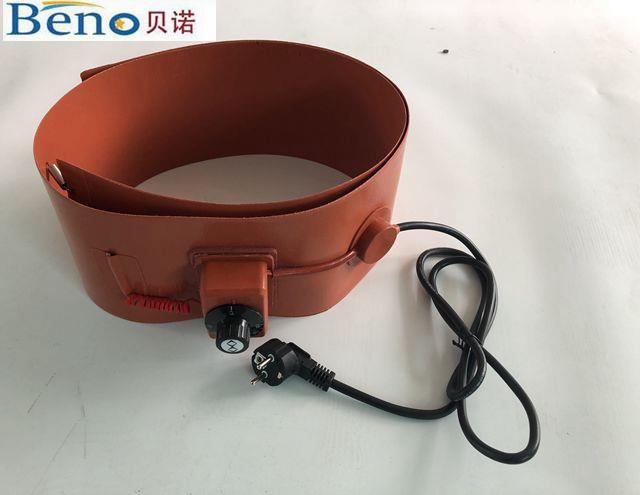
Heater mats are electrical devices that generate heat through the flow of electricity. They are typically made of a flexible material that can conform to different shapes and sizes. The most common type of heater mat I supply is the Silicon Rubber Heater Mat Heater. These mats are constructed with a silicone rubber outer layer that provides insulation and protection for the heating elements inside.
The heating elements in the heater mats are designed to convert electrical energy into heat energy. When an electric current passes through these elements, they resist the flow of electricity, which in turn generates heat. The heat is then transferred to the surface of the mat and, in the case of an aquarium, to the water.

Advantages of Using Heater Mats in Aquariums
- Even Heat Distribution: Heater mats can provide a more even distribution of heat compared to some traditional aquarium heaters. Traditional heaters often heat the water in a localized area, which can create temperature gradients within the aquarium. Heater mats, on the other hand, can be placed under or on the side of the aquarium, allowing for a more uniform heating of the water.
- Safety: The silicone rubber material used in Silicon Rubber Material Drum Heater and similar heater mats is generally safe for use in aquariums. It is non - toxic and resistant to water and corrosion. This reduces the risk of electrical shocks and other safety hazards that can occur with some other types of heaters.
- Energy Efficiency: Heater mats can be energy - efficient, especially when used in combination with a thermostat. A thermostat can regulate the temperature of the heater mat, ensuring that it only operates when necessary. This can help to reduce energy consumption and lower electricity bills.
- Flexibility: Heater mats are flexible and can be easily cut or shaped to fit the size and shape of the aquarium. This makes them suitable for a variety of aquarium setups, including custom - built or irregularly shaped aquariums.
Considerations When Using Heater Mats in Aquariums
- Waterproofing: Although silicone rubber heater mats are water - resistant, it is still important to ensure that they are properly installed to prevent water from coming into contact with the electrical components. Any water leakage onto the heater mat can cause short - circuits and pose a safety risk.
- Thermostat Compatibility: To maintain a stable water temperature, it is crucial to use a heater mat in conjunction with a reliable thermostat. The thermostat should be able to accurately measure the water temperature and control the operation of the heater mat accordingly.
- Size and Power: Choosing the right size and power of the heater mat is essential. A heater mat that is too small may not be able to heat the water to the desired temperature, while a heater mat that is too powerful can overheat the water and harm the aquarium inhabitants. The size and power requirements depend on the volume of the aquarium, the ambient temperature, and the specific temperature requirements of the fish and plants.
Real - World Applications and Success Stories
Many aquarium hobbyists and professionals have successfully used heater mats in their aquariums. For example, in a large - scale aquaculture facility in Australia, Silicon Rubber Heater Sell To Australia were used to maintain the water temperature in multiple aquariums. The even heat distribution provided by the heater mats helped to create a stable environment for the fish, resulting in improved growth rates and reduced disease incidence.
In home aquariums, heater mats have also proven to be a popular choice. Some aquarists have used heater mats to heat small - to - medium - sized aquariums, especially those with unique shapes or designs where traditional heaters may not be suitable. The flexibility of the heater mats allows them to be placed in hard - to - reach areas, ensuring that the entire aquarium is heated evenly.
Conclusion
In conclusion, heater mats can be a viable option for heating aquariums. They offer several advantages, such as even heat distribution, safety, energy efficiency, and flexibility. However, it is important to take into account the considerations mentioned above, such as waterproofing, thermostat compatibility, and size and power selection.
If you are an aquarium enthusiast or a professional in the aquaculture industry and are considering using heater mats in your aquariums, I encourage you to contact me for more information. I can provide you with detailed product specifications, installation guidance, and help you choose the right heater mat for your specific needs. Let's work together to create a perfect environment for your aquarium inhabitants.
References
- "Aquarium Water Temperature: A Comprehensive Guide" by Aquarium Science Journal
- "Silicone Rubber Heaters: Properties and Applications" by Industrial Heating Magazine
- "Best Practices for Aquarium Heating Systems" by Aquaculture Today


