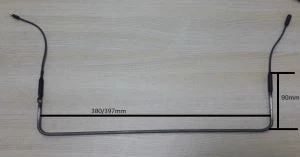
As a heater mat supplier, I often get asked if heater mats can be used for reptiles. The short answer is yes, but there's a lot more to it than that. In this blog post, I'll dive into the details of using heater mats for reptiles, including the benefits, considerations, and some of the products we offer that are suitable for these scaly friends.
Why Use Heater Mats for Reptiles?
Reptiles are ectothermic, which means they rely on external sources of heat to regulate their body temperature. In the wild, they bask in the sun or rest on warm rocks to stay warm. In captivity, providing a proper heat source is crucial for their health and well - being. Heater mats can be an excellent solution for creating a warm spot in their enclosure.
One of the main benefits of using heater mats is that they provide a gentle and consistent source of heat. Unlike heat lamps, which can dry out the air and cause temperature fluctuations, heater mats radiate heat upwards, creating a stable warm area on the floor of the enclosure. This mimics the natural heat they would get from the ground in the wild.
Another advantage is that heater mats are energy - efficient. They use less electricity compared to some other heating options, which can save you money in the long run. And since they're placed under the enclosure, they don't take up any extra space inside, leaving more room for your reptile to move around.

Considerations When Using Heater Mats for Reptiles
Before you rush out and buy a heater mat for your reptile, there are a few things you need to consider.
Temperature Control
It's essential to monitor and control the temperature of the heater mat. Different reptiles have different temperature requirements. For example, a bearded dragon might need a basking spot around 95 - 105°F (35 - 40°C), while a leopard gecko requires a warmer area of about 88 - 92°F (31 - 33°C). Using a thermostat is highly recommended to ensure that the temperature stays within the appropriate range. A thermostat will turn the heater mat on and off as needed, preventing overheating and keeping your reptile safe.
Size and Placement
The size of the heater mat should be appropriate for the size of the enclosure. It should cover about one - third to one - half of the floor area to create a proper thermal gradient. This allows your reptile to move between the warm and cool areas of the enclosure as it needs to regulate its body temperature. Place the heater mat under the enclosure, making sure it's centered and flat. Avoid placing it under any decorations or substrate that could block the heat transfer.
Safety
Safety is always a top priority when it comes to your reptile. Make sure the heater mat you choose is designed for use with reptile enclosures. It should be made of non - toxic materials and have proper insulation to prevent electrical shocks. Also, check for any signs of wear and tear regularly and replace the mat if necessary.
Our Heater Mat Products for Reptiles
At our company, we offer a range of heater mats that are suitable for reptiles.
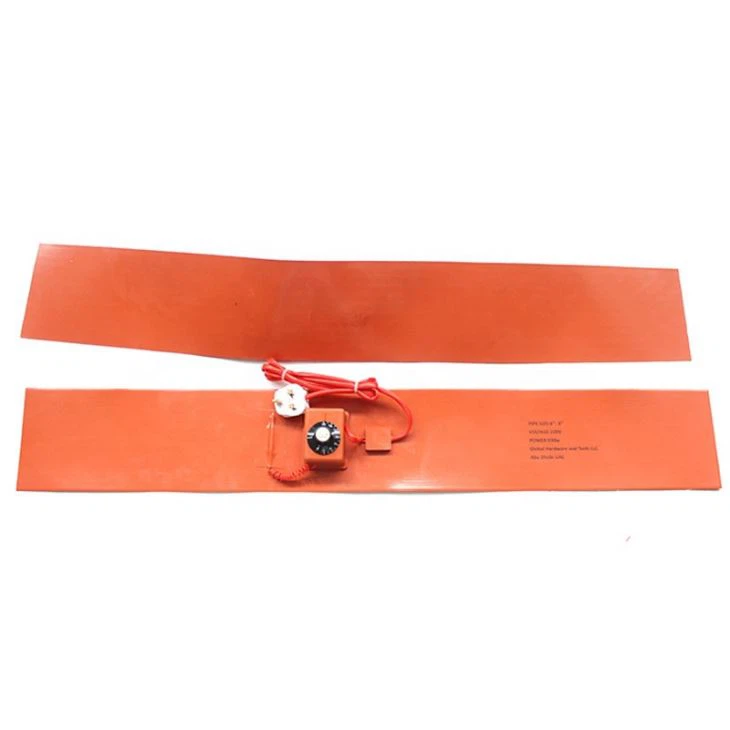
One of our popular products is the Silicon Rubber Heater With Spring Or Velcro Strips. This heater mat is made of high - quality silicon rubber, which is flexible and durable. The spring or velcro strips make it easy to attach to the enclosure, ensuring a secure fit. It provides a uniform heat distribution and is available in different sizes to fit various enclosures.
We also have the CE Certification SIlicon Rubber Mat Heater. The CE certification means that it meets the safety and quality standards in the European market. This heater mat is designed to be long - lasting and energy - efficient. It's a great option for those who want a reliable and safe heating solution for their reptiles.
Another product is the Silicon Rubber Pad Heater. This pad heater is thin and lightweight, making it easy to install under the enclosure. It has excellent heat transfer properties and can quickly warm up the area. It's also resistant to moisture, which is important in a reptile enclosure where humidity levels can be high.
How to Set Up a Heater Mat for Your Reptile
Setting up a heater mat for your reptile is relatively straightforward.
First, clean the area under the enclosure where you'll be placing the heater mat. Make sure it's dry and free of any debris. Then, unroll the heater mat and place it flat under the enclosure, following the size and placement guidelines mentioned earlier.
Next, connect the heater mat to a thermostat. Follow the instructions that come with the thermostat to set the desired temperature. Once the thermostat is set up, plug it into a power source.
After that, add your substrate and decorations to the enclosure. Place a thermometer on the warm side of the enclosure to monitor the temperature. Give the heater mat some time to warm up, and then check the temperature to make sure it's within the appropriate range for your reptile.
Conclusion
In conclusion, heater mats can be a great option for providing heat to your reptile. They offer a consistent, energy - efficient, and safe source of heat when used correctly. By considering the temperature control, size, and placement, and using a quality thermostat, you can create a comfortable and healthy environment for your scaly friend.
If you're interested in purchasing a heater mat for your reptile or have any questions about our products, feel free to reach out to us. We're here to help you find the best heating solution for your reptile's needs. Whether you're a new reptile owner or an experienced herpetologist, we have the products and expertise to support you.
References
- "Reptile Care: Temperature Requirements." Reptile Magazine.
- "Using Heater Mats for Reptiles." The Herpetological Society Journal.