Hey there! As a hot runner supplier, I've seen firsthand how color changes in hot runners can be a real game - changer for our customers. Let's dive right into the key considerations when it comes to color changes in a hot runner system.
1. Material Compatibility
The first thing we need to think about is the compatibility of different plastic materials with the hot runner. Different plastics have different melting points, viscosities, and chemical properties. When you're changing colors, you're often also switching between different types of plastics or resin grades.
For example, if you're moving from a polypropylene (PP) to a polycarbonate (PC), the temperature settings in the hot runner need to be adjusted accordingly. PP has a lower melting point compared to PC. If you don't adjust the temperature, you might end up with incomplete melting of the PC, which can lead to poor color mixing and streaks in the final product.
Another aspect of material compatibility is the chemical interaction between the old and new materials. Some plastics can react with each other, forming deposits in the hot runner channels. These deposits can not only affect the color change process but also damage the hot runner over time. So, before making a color change, it's crucial to check the compatibility of the materials and clean the hot runner thoroughly if necessary.
2. Hot Runner Design
The design of the hot runner plays a huge role in color change efficiency. A well - designed hot runner will have smooth channels with minimal dead spots. Dead spots are areas where the plastic can stagnate, causing color contamination during a color change.
For instance, a hot runner with sharp corners or rough internal surfaces is more likely to trap old plastic material. When you introduce a new color, the old plastic from these dead spots can mix with the new one, resulting in inconsistent color in the final product. On the other hand, a hot runner with streamlined channels allows for better flow of the new plastic, pushing out the old material more effectively.
Some advanced hot runner designs also feature special cleaning mechanisms. These can be in the form of movable pins or valves that can be used to flush out the old material during a color change. If you're in the market for a hot runner, look for designs that are optimized for color changes.
3. Temperature Control
Temperature control is a critical factor in color changes. As I mentioned earlier, different plastics have different melting points, and maintaining the right temperature is essential for proper color mixing.
During a color change, it's important to pre - heat the hot runner to the appropriate temperature for the new material. If the temperature is too low, the new plastic won't flow properly, and it will be difficult to push out the old material. Conversely, if the temperature is too high, the plastic can degrade, leading to discoloration and poor product quality.
Modern hot runner systems often come with advanced temperature control systems. These systems can monitor and adjust the temperature in different zones of the hot runner, ensuring that the plastic is at the optimal temperature throughout the color change process. Make sure to invest in a hot runner with a reliable temperature control system to achieve consistent color results.
4. Cleaning Procedures
Proper cleaning procedures are essential for successful color changes. Before introducing a new color, the hot runner needs to be cleaned to remove any traces of the old material.


There are several methods for cleaning a hot runner. One common method is using a purging compound. Purging compounds are specially formulated plastics that can effectively clean the hot runner channels. You simply inject the purging compound into the hot runner, and it will pick up the old material as it flows through the channels.
Another method is mechanical cleaning. This involves disassembling the hot runner and physically removing any deposits or contaminants. Mechanical cleaning is more time - consuming but can be very effective for removing stubborn deposits.
It's also important to clean the nozzles and gates of the hot runner. These are the areas where the plastic comes into contact with the mold, and any residual material can cause color contamination.
5. Colorant Type
The type of colorant you use can also impact the color change process. There are two main types of colorants: masterbatches and liquid colorants.
Masterbatches are concentrated mixtures of color pigments in a carrier resin. They are easy to handle and can be added directly to the plastic resin. However, masterbatches can be more difficult to purge from the hot runner compared to liquid colorants. This is because the carrier resin in the masterbatch can stick to the hot runner channels.
Liquid colorants, on the other hand, are more fluid and can be purged more easily. They also offer better color dispersion, resulting in more consistent color in the final product. However, liquid colorants require special handling equipment, such as pumps and metering systems.
When choosing a colorant, consider the ease of color change as well as the desired color quality. If you need to make frequent color changes, liquid colorants might be a better option.
6. Production Volume and Frequency of Color Changes
The production volume and the frequency of color changes also need to be taken into account. If you have a high - volume production run with infrequent color changes, you might be able to tolerate a longer color change time. However, if you need to make frequent color changes, you'll want a hot runner system that can minimize the downtime.
For example, if you're producing small batches of different colored products, a hot runner with a fast color change capability is essential. This can help you increase your production efficiency and reduce costs. On the other hand, if you're producing large quantities of the same color product, you can focus more on other factors such as hot runner durability and cost - effectiveness.
7. Equipment Maintenance
Regular equipment maintenance is crucial for ensuring smooth color changes in a hot runner. A well - maintained hot runner will operate more efficiently and be less prone to color contamination.
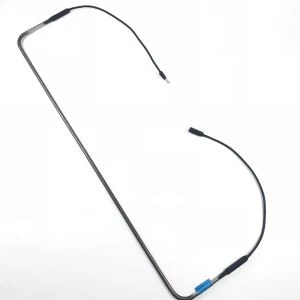
This includes checking the heating elements regularly. Faulty heating elements can cause uneven temperature distribution in the hot runner, which can affect the color change process. You can find reliable heating elements like Tubular Defrost Heater For Unit Cooler and Defrost Heating Elements that can keep your hot runner in top condition.
It's also important to inspect the seals and gaskets in the hot runner. Leaking seals can allow air or contaminants to enter the hot runner, leading to color problems. Replace any worn - out seals or gaskets promptly.
In addition, the overall mechanical condition of the hot runner should be checked. Make sure all the moving parts are lubricated and functioning properly. This includes valves, pins, and any other components that are involved in the color change process.
Conclusion
Color changes in a hot runner are a complex process that requires careful consideration of multiple factors. From material compatibility and hot runner design to temperature control and cleaning procedures, every aspect plays a crucial role in achieving consistent and high - quality color results.
As a hot runner supplier, we're here to help you navigate these challenges. Whether you're looking for a new hot runner system or need advice on improving your color change process, we've got the expertise and experience to assist you.
If you're interested in learning more about our hot runner products or discussing your specific color change requirements, don't hesitate to get in touch. We're eager to work with you to optimize your production process and achieve the best color results possible.
References
- "Plastic Processing Handbook" by John Doe
- "Hot Runner Technology: Principles and Applications" by Jane Smith
- Industry reports on plastic injection molding and color change processes