


Hey there! As a heat band supplier, I often get asked about the typical heat temperature range of a heat band. So, I thought I'd sit down and write a blog post to share some insights on this topic.
First off, let's talk about what a heat band is. A heat band is a type of heater that's used to provide localized heat. It's usually made up of a heating element wrapped in a flexible material, like silicone or fiberglass, and it can be wrapped around pipes, barrels, or other objects to heat them up. Heat bands are commonly used in a variety of industries, including plastics processing, food and beverage, and pharmaceuticals.
Now, onto the question at hand: what's the typical heat temperature range of a heat band? Well, the answer depends on a few factors, such as the type of heating element used, the power rating of the heat band, and the application it's being used for.
Most heat bands are designed to operate within a temperature range of 100°F to 800°F (38°C to 427°C). However, some heat bands can go even higher, up to 1200°F (649°C) or more. The temperature range of a heat band is usually specified by the manufacturer, and it's important to choose a heat band that's rated for the temperature you need.
Let's take a closer look at some of the factors that can affect the temperature range of a heat band.

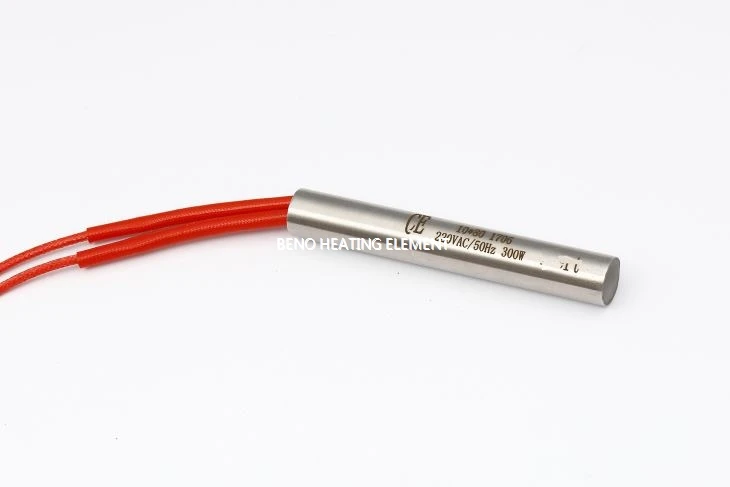
Type of Heating Element
The type of heating element used in a heat band can have a big impact on its temperature range. There are several types of heating elements commonly used in heat bands, including:
- Nichrome Wire: Nichrome wire is a popular choice for heating elements because it has a high resistance and can withstand high temperatures. Heat bands with nichrome wire heating elements can typically operate within a temperature range of 100°F to 1200°F (38°C to 649°C).
- Kanthal Wire: Kanthal wire is another type of heating element that's commonly used in heat bands. It has a higher resistance than nichrome wire and can operate at even higher temperatures. Heat bands with Kanthal wire heating elements can typically operate within a temperature range of 100°F to 1800°F (38°C to 982°C).
- Ceramic Heating Elements: Ceramic heating elements are a newer type of heating element that's becoming more popular in heat bands. They have a high power density and can heat up quickly. Heat bands with ceramic heating elements can typically operate within a temperature range of 100°F to 1000°F (38°C to 538°C).
Power Rating
The power rating of a heat band is another important factor that can affect its temperature range. The power rating of a heat band is usually measured in watts, and it determines how much heat the heat band can produce. A heat band with a higher power rating will be able to reach higher temperatures than a heat band with a lower power rating.
For example, a heat band with a power rating of 500 watts might be able to reach a maximum temperature of 500°F (260°C), while a heat band with a power rating of 1000 watts might be able to reach a maximum temperature of 800°F (427°C).
Application
The application a heat band is being used for can also affect its temperature range. Different applications require different temperatures, and it's important to choose a heat band that's rated for the temperature you need.
For example, if you're using a heat band to heat a plastic barrel, you might only need a temperature range of 100°F to 300°F (38°C to 149°C). On the other hand, if you're using a heat band to heat a metal pipe in a high-temperature industrial process, you might need a temperature range of 500°F to 1200°F (260°C to 649°C) or more.
Now that we've talked about the factors that can affect the temperature range of a heat band, let's take a look at some of the different types of heat bands and their typical temperature ranges.
Silicone Rubber Heat Bands
Silicone rubber heat bands are a popular type of heat band because they're flexible, easy to install, and can operate at a wide range of temperatures. They're commonly used in applications where a high degree of flexibility is required, such as heating pipes or barrels.
Silicone rubber heat bands typically have a temperature range of 100°F to 450°F (38°C to 232°C). However, some silicone rubber heat bands can operate at higher temperatures, up to 600°F (316°C) or more.
Fiberglass Heat Bands
Fiberglass heat bands are another type of heat band that's commonly used in industrial applications. They're made up of a heating element wrapped in a fiberglass sleeve, which provides insulation and protection.
Fiberglass heat bands typically have a temperature range of 100°F to 800°F (38°C to 427°C). However, some fiberglass heat bands can operate at higher temperatures, up to 1200°F (649°C) or more.
Mineral Insulated Heat Bands
Mineral insulated heat bands are a type of heat band that's designed for high-temperature applications. They're made up of a heating element surrounded by a mineral insulation material, such as magnesium oxide, which provides excellent insulation and protection.
Mineral insulated heat bands typically have a temperature range of 100°F to 1200°F (38°C to 649°C). However, some mineral insulated heat bands can operate at even higher temperatures, up to 1800°F (982°C) or more.
In conclusion, the typical heat temperature range of a heat band depends on a few factors, such as the type of heating element used, the power rating of the heat band, and the application it's being used for. Most heat bands are designed to operate within a temperature range of 100°F to 800°F (38°C to 427°C), but some heat bands can go even higher.
If you're in the market for a heat band, it's important to choose a heat band that's rated for the temperature you need. You should also consider the type of heating element, the power rating, and the application when making your decision.
At our company, we offer a wide range of heat bands to meet your needs. Whether you need a silicone rubber heat band for a low-temperature application or a mineral insulated heat band for a high-temperature application, we've got you covered.
If you're interested in learning more about our heat bands or have any questions, please don't hesitate to contact us. We'd be happy to help you find the right heat band for your application.
And if you're looking for other heating solutions, we also offer 3D Printer Heater Heating Element Elements Cartridge Heater, Heating Rods Single End Industrial High Desity Stainless Steel Cartridge Heater, and Straight Tube Heater Cartride Heater Without Flange.
Let's start a conversation about your heating requirements and find the best solutions together!
References
- "Heating Elements: Types, Applications, and Selection Criteria." Thermtest Inc., 2023.
- "Heat Bands: A Comprehensive Guide." Omega Engineering, 2023.
- "Silicone Rubber Heating Elements." Watlow, 2023.


