Hey there! As a defrosting supplier, I get asked a ton of questions about fridges, and one that comes up a lot is, “What temperature should the fridge be for defrosting?” Well, let's dive right into it and figure this out together.
First off, we need to understand why defrosting is so important. Over time, ice builds up in your fridge. This ice can reduce the efficiency of your fridge, making it work harder and use more energy. It can also take up space inside the fridge, reducing the amount of food you can store. So, regular defrosting is a must to keep your fridge running smoothly.
Now, let's talk about the ideal temperature for defrosting. The general rule of thumb is to turn off the fridge and let it come to room temperature. Most room temperatures are around 68 - 72°F (20 - 22°C). This is a great temperature for defrosting because it's warm enough to melt the ice gradually without causing any damage to the fridge's components.
When you set your fridge to defrost at this temperature, the ice starts to melt slowly. You don't want to rush the process by using high - heat sources like hair dryers or heaters. These can cause thermal stress on the fridge's walls and seals, leading to cracks and leaks in the long run.
Another thing to keep in mind is that the defrosting process can take some time. Depending on how much ice has built up, it could take anywhere from a few hours to a full day. You can speed up the process a bit by placing bowls of hot water inside the fridge. But make sure to use caution and place them on a stable surface so they don't spill.
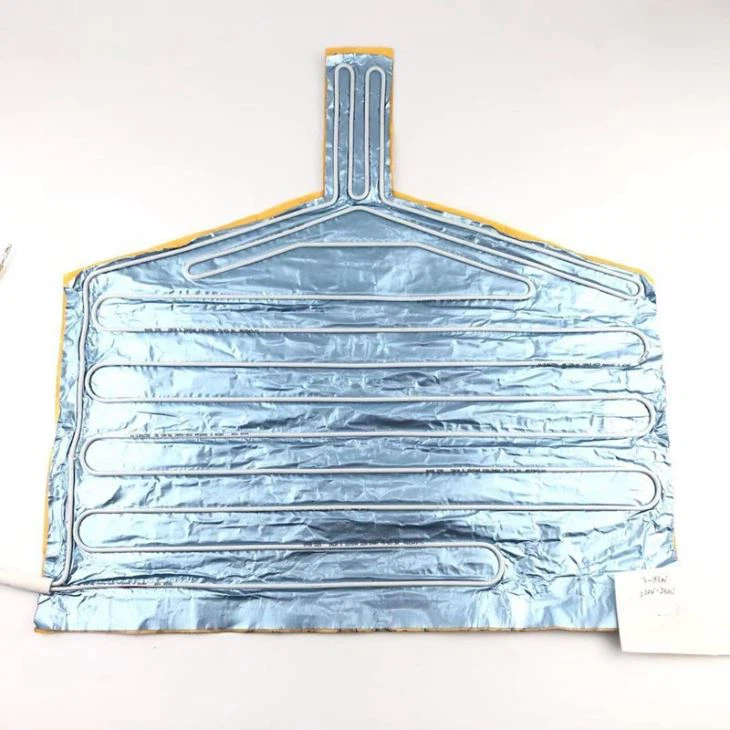
Now, let's talk about the products we offer as a defrosting supplier. We have some really great items that can help with the defrosting process. For example, the Good Brand Fridge Part Aluminum Foil Heater. This heater is designed to be used in fridges and can help maintain a consistent temperature during the defrosting process. It's made of high - quality aluminum foil, which is a great conductor of heat. This means it can transfer heat evenly across the fridge's interior, helping to melt the ice more efficiently.
The Aluminum Foil Heating Element is another great product. It's a key component in many defrosting systems. This heating element can be easily installed in your fridge and is very reliable. It provides a steady source of heat that helps to prevent ice from building up in the first place. And if you already have ice, it can speed up the defrosting process significantly.
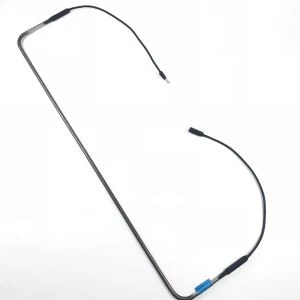
We also offer the Drain Belt. This is an important part of the defrosting process. When the ice melts, the water needs to drain out of the fridge properly. The drain belt helps to keep the drain pipe warm, preventing it from freezing up and blocking the water flow. This ensures that all the melted ice can be safely removed from the fridge.
So, how do you use these products? Well, if you're using the aluminum foil heater or heating element, you'll want to follow the installation instructions carefully. Usually, they can be attached to the walls or shelves of the fridge. Make sure to turn off the fridge before installing them, and always use the appropriate tools.
The drain belt is even easier to use. You just wrap it around the drain pipe. It's self - adhesive, so it stays in place without any hassle. Once it's installed, it will start working right away to keep the drain pipe at the right temperature.
Now, let's talk about some common mistakes people make during the defrosting process. One of the biggest mistakes is not emptying the fridge completely. You should take out all the food and drinks before you start defrosting. This not only makes the defrosting process easier but also helps to keep your food fresh. You can store your food in a cooler with ice packs while the fridge is being defrosted.
Another mistake is not cleaning the fridge after defrosting. Once all the ice has melted and the water has drained out, you should give the fridge a good clean. Use a mild detergent and a soft cloth to wipe down the walls, shelves, and drawers. This will remove any dirt, bacteria, or odors that may have built up over time.
In addition to the temperature and the products, the humidity in the room can also affect the defrosting process. If the room is very humid, it can take longer for the ice to melt. You can use a dehumidifier in the room to reduce the humidity and speed up the defrosting.
So, to sum it up, the ideal temperature for defrosting your fridge is around room temperature (68 - 72°F or 20 - 22°C). Using our products like the Good Brand Fridge Part Aluminum Foil Heater, Aluminum Foil Heating Element, and Drain Belt can make the defrosting process more efficient and hassle - free.

If you're interested in purchasing any of our defrosting products, we'd love to hear from you. Whether you're a homeowner looking to keep your fridge in top shape or a business owner with multiple fridges, we have the solutions you need. Just reach out to us, and we'll be happy to discuss your requirements and help you find the right products for your needs.
References
- "Fridge Maintenance Guide" - Home Appliance Magazine
- "The Science of Defrosting" - Journal of Refrigeration Technology