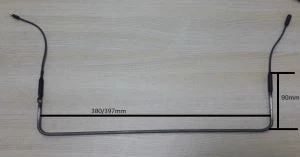
As a heater pad supplier, I've had the privilege of delving deep into the world of heater pad materials. The materials used in heater pads play a crucial role in determining their performance, durability, and safety. In this blog post, I'll explore the various materials commonly used in heater pads and their unique properties.
Resistance Heating Elements
One of the most fundamental components of a heater pad is the resistance heating element. This element is responsible for converting electrical energy into heat. There are several types of materials used for resistance heating elements, each with its own advantages and disadvantages.
Nichrome
Nichrome is a popular choice for resistance heating elements due to its high resistivity, which allows it to generate a significant amount of heat when an electric current passes through it. It also has excellent oxidation resistance, making it suitable for use in high-temperature applications. Nichrome wires are often used in heater pads because they can withstand repeated heating and cooling cycles without breaking or losing their electrical properties.
Kanthal
Kanthal is another type of alloy commonly used in resistance heating elements. It has a higher melting point than nichrome, which makes it suitable for use in extremely high-temperature applications. Kanthal also has a lower coefficient of thermal expansion, which means it is less likely to warp or deform when heated. However, Kanthal is more expensive than nichrome, which may limit its use in some applications.
Carbon Fiber
Carbon fiber is a relatively new material used in resistance heating elements. It has several advantages over traditional materials such as nichrome and Kanthal. Carbon fiber has a high strength-to-weight ratio, which makes it lightweight and durable. It also has excellent thermal conductivity, which allows it to transfer heat quickly and efficiently. Additionally, carbon fiber is flexible, which makes it suitable for use in heater pads that need to conform to irregular shapes.
Insulating Materials
Insulating materials are used in heater pads to prevent the heat from escaping and to protect the user from electrical shock. There are several types of insulating materials used in heater pads, each with its own properties and applications.
Fiberglass
Fiberglass is a common insulating material used in heater pads. It is made of fine glass fibers that are woven together to form a fabric. Fiberglass has excellent thermal insulation properties, which means it can effectively prevent the heat from escaping. It is also fire-resistant, which makes it a safe choice for use in heater pads. However, fiberglass can be irritating to the skin and lungs, so it needs to be handled with care.
Ceramic Fiber
Ceramic fiber is another type of insulating material used in heater pads. It is made of ceramic fibers that are compressed together to form a blanket or board. Ceramic fiber has excellent thermal insulation properties and can withstand high temperatures. It is also lightweight and flexible, which makes it suitable for use in heater pads that need to conform to irregular shapes. However, ceramic fiber can be brittle and may break if it is bent or folded too much.
Silicone Rubber
Silicone rubber is a popular insulating material used in heater pads. It is made of a synthetic rubber that is filled with silica. Silicone rubber has excellent thermal insulation properties and can withstand high temperatures. It is also flexible, waterproof, and resistant to chemicals, which makes it suitable for use in a variety of applications. Additionally, silicone rubber is safe to use and does not pose a health risk to the user.
Outer Covering Materials
The outer covering material of a heater pad is used to protect the internal components and to provide a comfortable surface for the user to rest on. There are several types of outer covering materials used in heater pads, each with its own properties and applications.
Polyester
Polyester is a common outer covering material used in heater pads. It is a synthetic fabric that is durable, easy to clean, and resistant to wrinkles. Polyester is also available in a variety of colors and patterns, which makes it suitable for use in heater pads that need to be aesthetically pleasing. However, polyester is not very breathable, which may cause the user to feel hot and uncomfortable.
Cotton
Cotton is another type of outer covering material used in heater pads. It is a natural fabric that is soft, breathable, and comfortable to use. Cotton is also hypoallergenic, which makes it suitable for use in heater pads that are intended for people with sensitive skin. However, cotton is not very durable and may shrink or fade when washed.
Leather
Leather is a high-end outer covering material used in heater pads. It is a natural material that is durable, luxurious, and easy to clean. Leather is also available in a variety of colors and textures, which makes it suitable for use in heater pads that need to be stylish and sophisticated. However, leather is expensive and may require special care to maintain its appearance.
Conclusion
In conclusion, the materials used in heater pads play a crucial role in determining their performance, durability, and safety. Resistance heating elements, insulating materials, and outer covering materials are all important components of a heater pad. Each material has its own unique properties and applications, and the choice of material depends on the specific requirements of the heater pad.

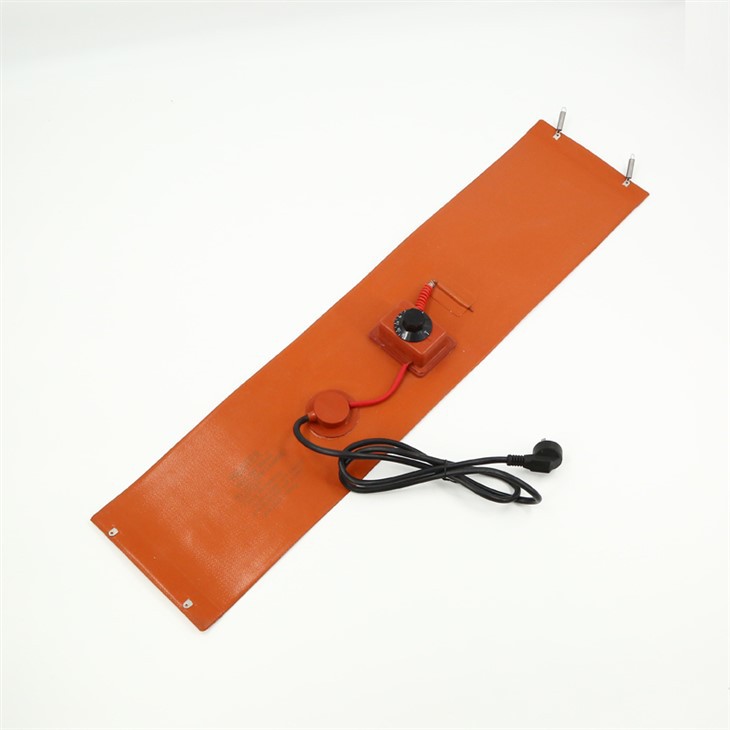
As a heater pad supplier, we offer a wide range of heater pads made from different materials to meet the needs of our customers. Our Durable Honey Drum Heater Drum Heating Blankets With Temperature Control are made with high-quality materials to ensure reliable performance and long-lasting durability. We also offer Silicon mica plate heater and Silicon Rubber Heater Mat Heater that are designed to provide efficient and effective heating.
If you're interested in purchasing heater pads or have any questions about our products, please don't hesitate to contact us. We'll be happy to assist you with your purchase and provide you with the information you need to make an informed decision.
References
- "Heating Elements: Types, Materials, and Applications." Thermtest Inc., 2023.
- "Insulation Materials: Types, Properties, and Applications." Engineering ToolBox, 2023.
- "Textile Materials: Types, Properties, and Applications." Textile School, 2023.